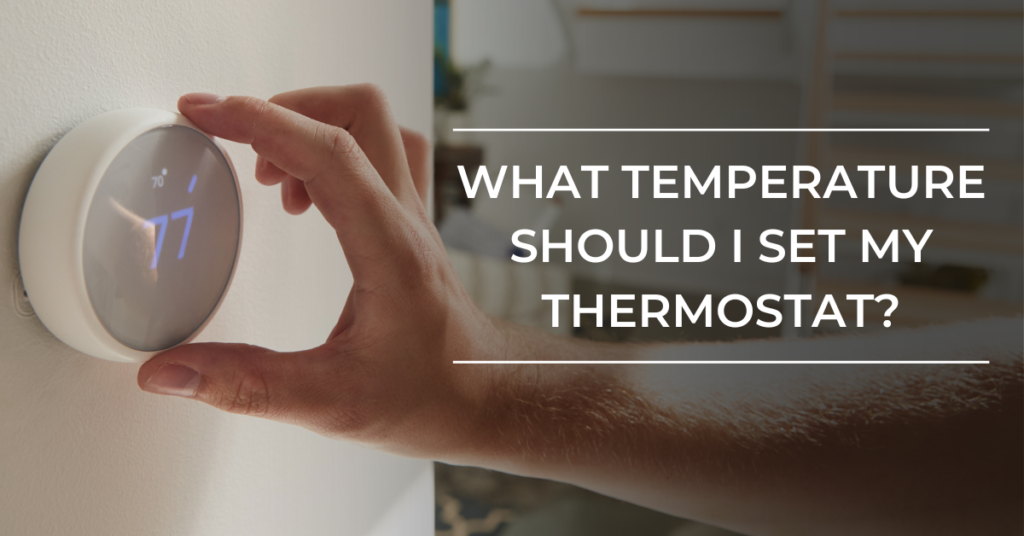
What Should I Set Heat To

Ah, the age-old question that sparks lively debates and silent battles across households: "What should I set the heat to?" It might sound like a mundane chore, but really, it's a fascinating blend of personal comfort, savvy energy management, and even a touch of home science. Thinking about your thermostat isn't just about twisting a dial; it's about finding that sweet spot where you're cozy without breaking the bank, and that's something we all want to master. It’s a topic as universal as the weather itself, and getting it right can genuinely improve your daily life!
This quest for the perfect temperature offers something for everyone. For the beginners, perhaps those just moving into their first apartment or buying their first home, understanding how to manage heat is fundamental. It's about gaining control over your environment and, crucially, avoiding those dreaded, sky-high utility bills. For busy families, setting the heat becomes a delicate balancing act – keeping everyone from toddlers to grandparents comfortable, managing energy use when doors are constantly opening and closing, and ensuring a peaceful home without arguments over who's too hot or too cold. And for the hobbyists or the tech-curious, it's an invitation to optimize. They might dive into smart thermostats, explore zoning capabilities, or even analyze energy usage data to squeeze every drop of efficiency out of their heating system, turning a simple setting into a rewarding project.
The beauty is, there's no single "right" answer, and that's where the fun begins. Your ideal setting can vary wildly! You might opt for a warmer daytime setting when everyone is active and less bundled, then dial it down significantly for nighttime when tucked under blankets. What about when you're away at work or on vacation? A lower "setback" temperature can save a lot of energy without letting your pipes freeze. Consider also the type of heating system you have – a quick-acting forced-air furnace behaves differently than a slow-and-steady radiant floor heating system. Factors like your home's insulation, the efficiency of your windows, and even the clothes you wear can all influence what feels comfortable at a given temperature. It’s a dynamic puzzle with many pieces!
Must Read
Ready to start your own temperature adventure? Here are a few simple tips. First, don't be afraid to experiment! Start with a comfortable baseline, maybe around 68°F (20°C) during the day and 65°F (18°C) at night, and adjust by just one degree at a time. Live with that change for a day or two to see how it feels before tweaking it again. Second, if you have a programmable or smart thermostat, use it! Schedule those temperature setbacks for when you're asleep or out of the house – it's an effortless way to save energy. Third, dress for the season; a cozy sweater can allow you to keep the thermostat a degree or two lower. And finally, be mindful of drafts. Sealing gaps around windows and doors can make a surprising difference in how warm your home feels, even without touching the thermostat.
Ultimately, figuring out "what should I set the heat to?" isn't just about a number; it's about discovering your home's rhythm, your family's comfort zone, and your own personal sweet spot for energy efficiency. It’s a journey that leads to a cozier home, potentially lighter utility bills, and the satisfying feeling of being truly in control of your indoor environment. So go ahead, embrace the thermostat, and enjoy the warmth of a well-managed home!