
What Rooms Should Have Smoke Detectors
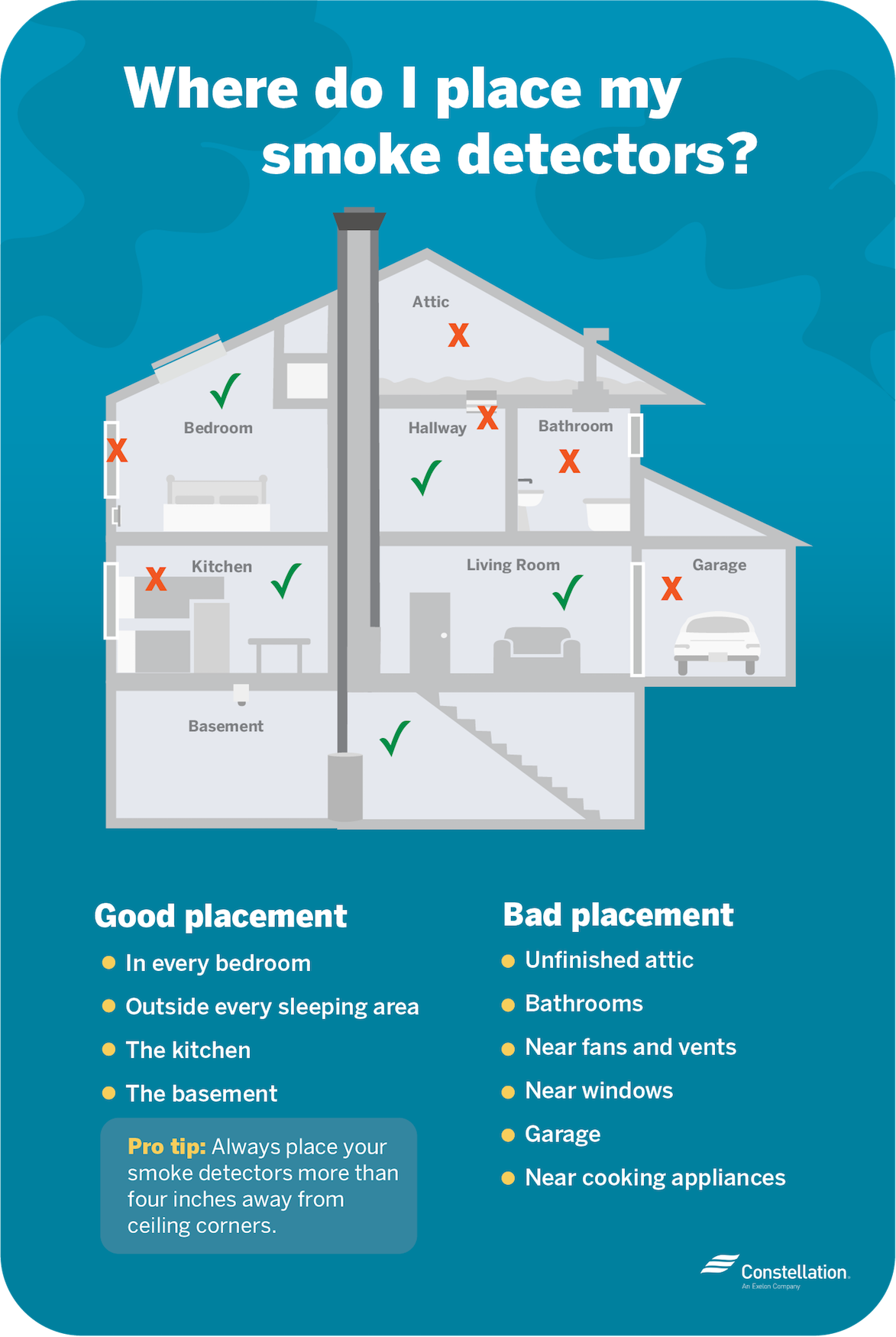
Ever think about home safety and feel a little overwhelmed? You're not alone! But here's a secret: tackling home safety, especially something as vital as smoke detectors, can actually be quite empowering. It’s like giving your home a big, protective hug and saying, "We got this!" Figuring out where to place these little lifesavers isn't just a chore; it's a fundamental step towards creating a truly safe haven, giving you immense peace of mind. Think of it as a smart home upgrade that’s not about flashy gadgets, but about genuinely looking after what matters most.
So, who benefits from knowing the ins and outs of smoke detector placement? Pretty much everyone! For first-time homeowners or renters, understanding this topic is your foundational crash course in adulting – it's an easy win to make your new space genuinely safe. Families, especially those with little ones, will find this incredibly useful. Knowing exactly where to install detectors ensures that everyone, from the deepest sleeper to the lightest, is alerted promptly, allowing crucial time for an escape plan. It's about protecting your precious cargo and ensuring everyone wakes up to an alarm, not a threat. Even for the general homeowner who just wants to maintain a secure and comfortable environment, this knowledge is a cornerstone of responsible home management, making your efforts feel productive and impactful.
When it comes to smoke detectors, the general rule of thumb is quite clear: you need them in specific, strategic spots. Firstly, and most importantly, install smoke detectors inside every bedroom and outside every sleeping area. This means if you have three bedrooms, each needs its own detector, and another one should be in the hallway or common area just outside those rooms. Secondly, you need a detector on every level of your home, including the basement. This ensures comprehensive coverage no matter where a fire might start. For areas like kitchens, where cooking fumes might cause false alarms, consider detectors designed for that specific environment, or opt for a heat detector instead. Basements, attics, and even garages also need attention, as these are common spots for electrical fires or the storage of flammable materials. And don't forget to opt for interconnected alarms, so if one goes off, they all go off!
Must Read
Ready to get started? It's simpler than you might think! First, take a quick walk through your home and identify where your current detectors are (if any). Next, pick up a few new ones from your local hardware store. Look for models with 10-year sealed batteries for less hassle, or smart detectors that connect to your phone. When installing, remember to place them on the ceiling or high on a wall, away from corners (at least 4 inches) and air vents, which can interfere with detection. Avoid placing them too close to kitchen stoves or bathroom showers to prevent annoying false alarms. Once installed, the maintenance is easy: test them monthly by pressing the test button, change batteries (if not sealed) once a year, and replace the entire unit every 10 years. It’s a small effort for a huge return on safety!
Ultimately, taking charge of your home's smoke detector situation isn't just about following rules; it's about investing in genuine peace of mind. Knowing that you've got these crucial protectors strategically placed allows you to sleep soundly, knowing your family and your home are safer. It's an easy, practical step that makes a profound difference, transforming a simple piece of equipment into a powerful guardian of your well-being. Embrace the feeling of accomplishment that comes with creating a safer space – it’s truly invaluable!
:max_bytes(150000):strip_icc()/bhg-tier-3-detail-kidde-l9030-smoke-detector-ebrockob-001-1-252b16989b0842f59bbab83d6436dab0.jpeg)

:max_bytes(150000):strip_icc()/where-to-place-smoke-detectors-1152485_V2-3c5086adfaa646d69d312b45d342c621.png)
