
What Makes Carbon Monoxide Detector Go Off

Okay, picture this: You’re snuggled up on the couch, maybe binging your favorite show, or perhaps you’re just about to drift off to sleep. Everything is perfectly normal. Then, out of nowhere, this shrill, insistent BEEP-BEEP-BEEP! pierces the calm. Your heart practically leaps out of your chest, and for a split second, you’re convinced aliens are landing, or perhaps the microwave has developed a sentient, ear-splitting personality. You stumble around, half-asleep, trying to locate the source of the sonic assault, only to realize it’s your carbon monoxide detector screaming bloody murder. Sound familiar? I’m willing to bet it does, because that exact scenario has played out in countless homes, including yours truly’s!
That immediate panic, followed by a frantic "What the heck just happened?!" is completely natural. It's also the exact moment we often realize we don't really know why these little lifesavers decide to throw a fit. So, let's pull back the curtain, shall we? Because understanding what makes your CO detector go off isn't just about curiosity; it's about staying safe.
What Even IS Carbon Monoxide, Anyway?
Before we dive into the alarms, let’s get acquainted with the villain of our story: carbon monoxide, or CO. It's often called the "silent killer" for a terrifying reason. CO is a gas that’s colorless, odorless, and tasteless. You literally cannot detect it with your own senses. It's produced whenever fuels like wood, coal, charcoal, natural gas, propane, gasoline, or kerosene don't burn completely. Think of your furnace, gas stove, water heater, fireplace, or even a running car – they all produce CO, usually in safe, vented amounts.
Must Read
The danger comes when something goes wrong, and CO starts building up in an enclosed space. When you breathe it in, it replaces oxygen in your blood, starving your organs and tissues. Not good, my friend. Not good at all.
How Your Detector Stands Guard
So, how does a little plastic box know this invisible threat is lurking? Most modern CO detectors use an electrochemical sensor. Think of it as a tiny, highly sensitive nose that "smells" carbon monoxide in the air. When CO gas comes into contact with the sensor, it causes an electrical current to change. The detector measures this change and, if it reaches a certain level over a specific period, voilà! Alarm central kicks in.

It's important to know that these detectors don't just go off at the first whiff of CO. They're designed to react based on the concentration of CO in parts per million (ppm) and the duration of exposure. A very low concentration might not trigger an immediate alarm, but if it persists, it will. Higher concentrations, naturally, trigger a faster, more urgent alert. It’s smart, really – it’s trying to tell you there’s a problem before it becomes a catastrophe.
The Usual Suspects: Why the Alarm Sounds
Alright, so your detector is screaming. What are the common culprits?
1. The Real Deal: Actual CO Leak
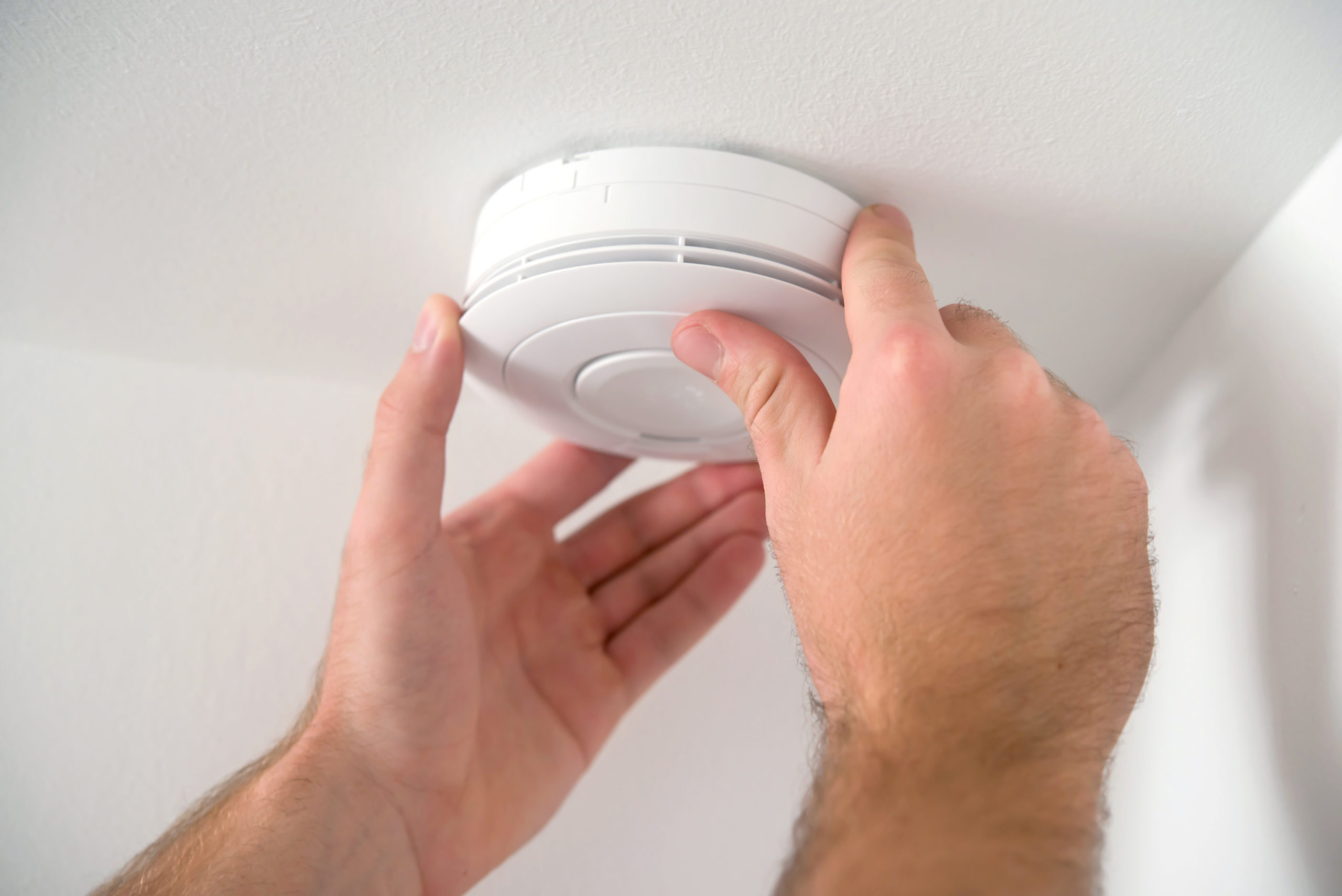
This is the big one, and the most serious. Your detector is doing its job because there's a genuine CO leak. This could be due to a:
- Malfunctioning Furnace or Water Heater: Cracks in the heat exchanger or a clogged vent can lead to CO escaping.
- Blocked Chimney or Flue: If your fireplace or wood stove can't vent properly, CO has nowhere to go but into your living space.
- Gas Appliance Issues: An unvented gas range, a faulty oven, or a clothes dryer vent that's blocked.
- Car Idling in the Garage: Even if the garage door is open, fumes can seep into your home, especially if it's attached. (Seriously, don't do this!)
- Using a Grill or Generator Indoors: Never, ever do this. These are outdoor tools.
2. Appliance Backdrafting
This is a sneaky one. Sometimes, due to negative pressure in your home (maybe an exhaust fan running, or a very tight house), combustion gases are pulled back into your living space instead of venting outside. Your dryer, furnace, or water heater might be working perfectly fine, but the ventilation isn't.

3. Temporary Spikes (False Alarms... or are they?)
Sometimes, what seems like a false alarm might be a momentary, low-level spike. Have you ever started a car in the garage for just a minute? Or used a gas-powered lawnmower near an open window? Even grilling right outside a patio door can sometimes cause a temporary rise in CO that a sensitive detector picks up. It’s not necessarily a full-blown emergency, but it's a good reminder of how easily CO can enter your home.
4. Your Detector is Old or Has Low Batteries

Ah, the classic. Many CO detectors have a lifespan of 5-7 years. When they're nearing their expiry date, they often start chirping or alarm more frequently, signaling it's time for a replacement. And, of course, a low battery will make it beep intermittently. This isn't the piercing "danger!" alarm, but it's still an annoying sound you need to address!
So, What Do You Do When It Goes Off?
First, don't ignore it! Assume it's the real deal.
- Get everyone outside immediately.
- Call 911 or your local fire department. They have professional equipment to detect and measure CO levels.
- Don't re-enter your home until emergency services say it's safe.
Your carbon monoxide detector isn't just a gadget; it's a vigilant sentry. It might startle you silly when it goes off, but that jolt of fear is a small price to pay for the priceless warning it provides. So, test it regularly, know its expiry date, and give it the credit it deserves for keeping you and your loved ones safe. Stay curious, stay safe!