
What Makes A Carbon Monoxide Detector Go Off
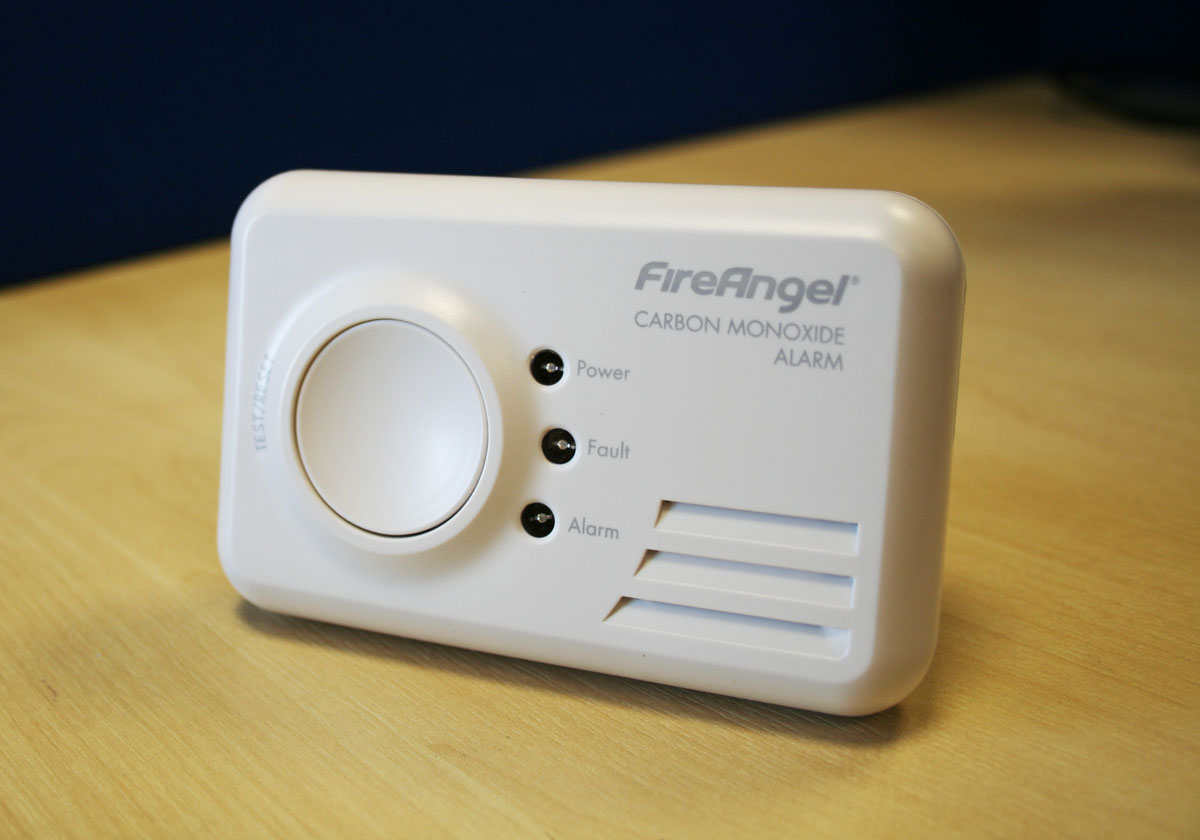
That piercing shriek. Your heart jumps. Is it a fire? An intruder? No, it’s just your carbon monoxide detector, probably being a drama queen again.
Let’s be honest. We’ve all been there. You’re minding your own business, perhaps enjoying a quiet evening, and then the alarm sounds. It’s loud. It’s insistent. And it makes you wonder: what exactly makes this little device decide to go into full panic mode?
I’m going to say it, and maybe it’s unpopular: sometimes, these little gadgets are just too sensitive. They're the household equivalent of that friend who overreacts to everything. "Oh no, a speck of dust! We're all doomed!"
Must Read
One of the most common culprits? Your culinary masterpieces. Or, more accurately, your culinary mishaps. Ever burnt toast? Just a little char on the edges? The kind you scrape off and still eat? Well, your CO detector sees it differently.
"It hears 'smoke' and thinks 'danger!' Even if it's just a slightly overdone bagel."
Searing a steak to perfection often involves a bit of smoke. It's part of the process, adding flavor and char. But your detector? It's convinced you're on the brink of disaster. It’s like it has a personal vendetta against anything cooked at high heat.
Another classic scenario involves outdoor equipment. Maybe you were grilling on the patio. A beautiful evening. The grill is outside, right? Just a little too close to an open window. A gentle breeze drifts a whisper of exhaust indoors. And BAM! Red alert. Your peaceful BBQ just became an emergency drill.
The same goes for running a gas generator. Perhaps you're outside working, and the garage door is open. A tiny wisp of exhaust decides to explore your home. Your detector, ever vigilant, picks up on this minuscule invasion and decides to inform the entire neighborhood of your activities.
Then there are your home appliances. Your furnace just sneezed a little bit. Your water heater is having a grumpy morning. These devices are like the neighborhood busybody, always assuming the worst. They detect the faintest hint of unburnt fuel and spring into action, convinced your appliances are plotting against you.
"It's like that friend who always screams at a spider. Sure, spiders can be a bit creepy, but that level of panic? Really?"

Sometimes, the detector itself is just plain old. Like an old dog barking at shadows. These things have a lifespan, typically five to ten years. And when they get to the end of their service, they might just decide to throw a farewell party of ear-splitting beeps. They're telling you, "My time is up! Replace me! And I'll make sure you can't ignore me!"
Let’s not forget the panic it causes. You race around. Windows flung open. The dog is confused. The kids are asking if it’s a tornado drill. You’re frantically sniffing the air, wondering what invisible threat has invaded your home. All because you tried to make popcorn and got a little distracted.
Okay, okay. We joke. But carbon monoxide is no laughing matter. It’s often called the 'silent killer' for a reason. It’s invisible, odorless, and tasteless. It’s sneaky. So, when that alarm goes off, even if you suspect it’s just your culinary genius (or lack thereof), you do have to check. It's like that super-annoying warning light in your car. Most of the time, it's just a loose gas cap, but sometimes, it's something serious.

Your detector is basically saying, "Better safe than sorry... and also, I enjoy being heard!" It’s its job to be the overly cautious guardian of your indoor air. Even if it mostly just means you overcooked the frozen pizza.
So, the next time that infernal shriek fills your home, take a deep breath. Check your surroundings. Open a window. And maybe, just maybe, whisper to your detector, "Okay, drama queen, settle down."
But always, always respect its potential to be right. Even if it’s mostly just having a moment. Better a false alarm than no alarm at all, even if it does mean your toast suffered an ignoble fate.