
What Level Of Carbon Monoxide Sets Off An Alarm
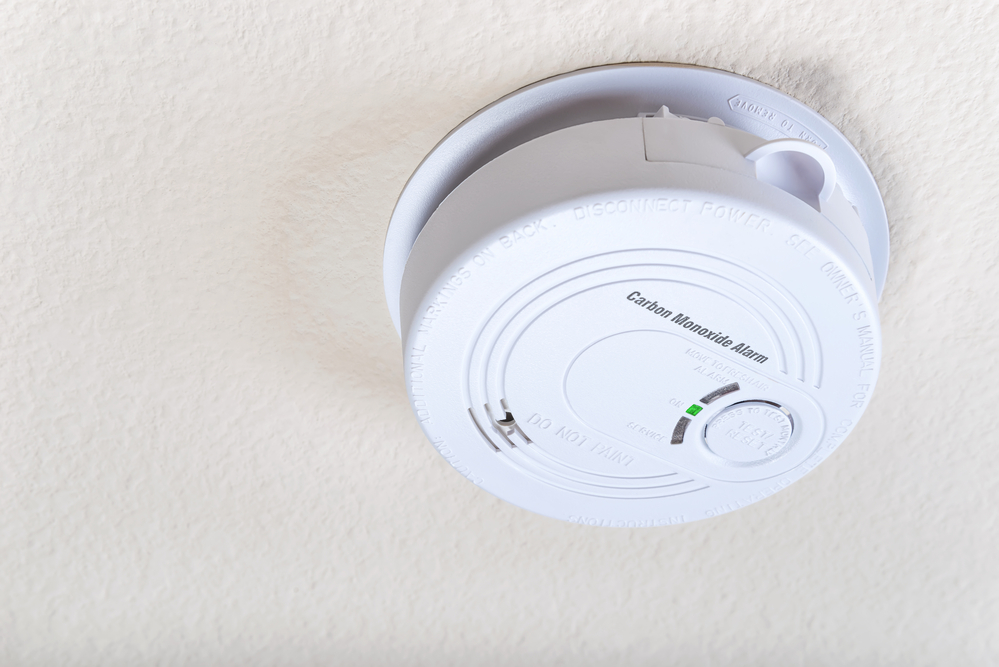
Okay, so picture this: It's a chilly evening, you've just fired up the gas fireplace for the first time in ages, and you're snuggled up with a cup of tea, blissfully unaware. Suddenly, your phone buzzes with a neighborhood alert about a gas leak a few blocks away. You sniff the air suspiciously. Is that… nothing? Or is that too much nothing? My mind immediately goes to carbon monoxide – that invisible, odorless villain. It’s like that one friend who never says much but you just know they’re judging your life choices. Anyway, it got me wondering, at what point does that silent judge actually decide to raise a fuss? I mean, what level of CO is actually going to make my trusty alarm go off?
It's a question we often don't think about until a story like that (or, heaven forbid, something scarier) pops up. We all have these CO alarms, right? They're usually tucked away on a wall, silently doing their thing. But what is their thing, exactly? What invisible line does carbon monoxide have to cross before these diligent little devices decide it's time to scream for attention?
What's the Deal with Carbon Monoxide?
First things first, let's just quickly rehash why CO is such a big deal. It's often dubbed the "silent killer" because, well, it lives up to its name. You can't see it, you can't smell it, you can't taste it. It's produced when fuels like gas, oil, coal, and wood don't burn completely. Think leaky furnaces, blocked chimneys, car exhaust in a garage – basically, anything that's supposed to burn cleanly but isn't quite cutting it.
Must Read
The danger comes from the fact that CO replaces oxygen in your blood. Suddenly, your body isn't getting the good stuff it needs, and things start to shut down. Nausea, headaches, dizziness, confusion… and eventually, loss of consciousness and death. It's seriously dangerous stuff, which is why those alarms are not just a suggestion, they're a necessity.
The Nitty-Gritty: CO Levels and Alarms
So, to the heart of the matter: what level sets off the alarm? It's not a simple one-size-fits-all answer, because CO alarms are actually pretty sophisticated. They measure carbon monoxide in Parts Per Million (PPM). Think of it like a tiny percentage – how many CO molecules per million air molecules. And here's the kicker: they don't just go off at a specific PPM, but often also depend on how long that level has been present.
Most residential CO alarms in North America follow the UL 2034 standard. This standard dictates different alarm thresholds based on both concentration and time. This is super important because brief exposure to very low levels isn't typically fatal, but prolonged exposure to even moderate levels can be.
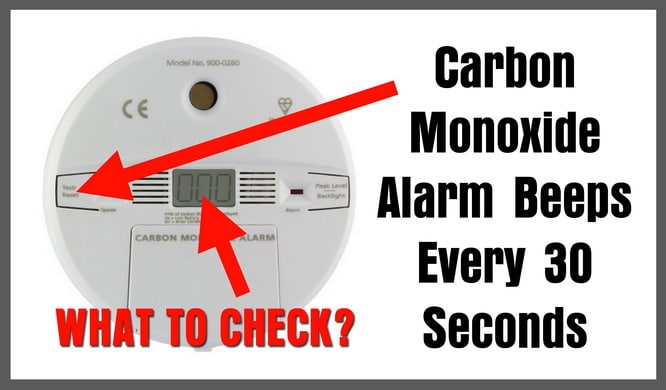
Here’s a general idea of what to expect:
-
30 PPM: Most CO alarms are designed not to go off below 30 PPM, even after 30 days. Why? Because sometimes there are trace amounts of CO around naturally, and you don't want constant false alarms. Also, people who work with CO for a living might be exposed to these low levels daily without ill effect. Your alarm is smart enough to know the difference between a minor hiccup and a genuine threat.
-
70 PPM: If the concentration reaches 70 PPM, your alarm should sound within 60-240 minutes. Notice the wide range? It's that time factor again. This level is concerning but not immediately life-threatening if detected relatively quickly.
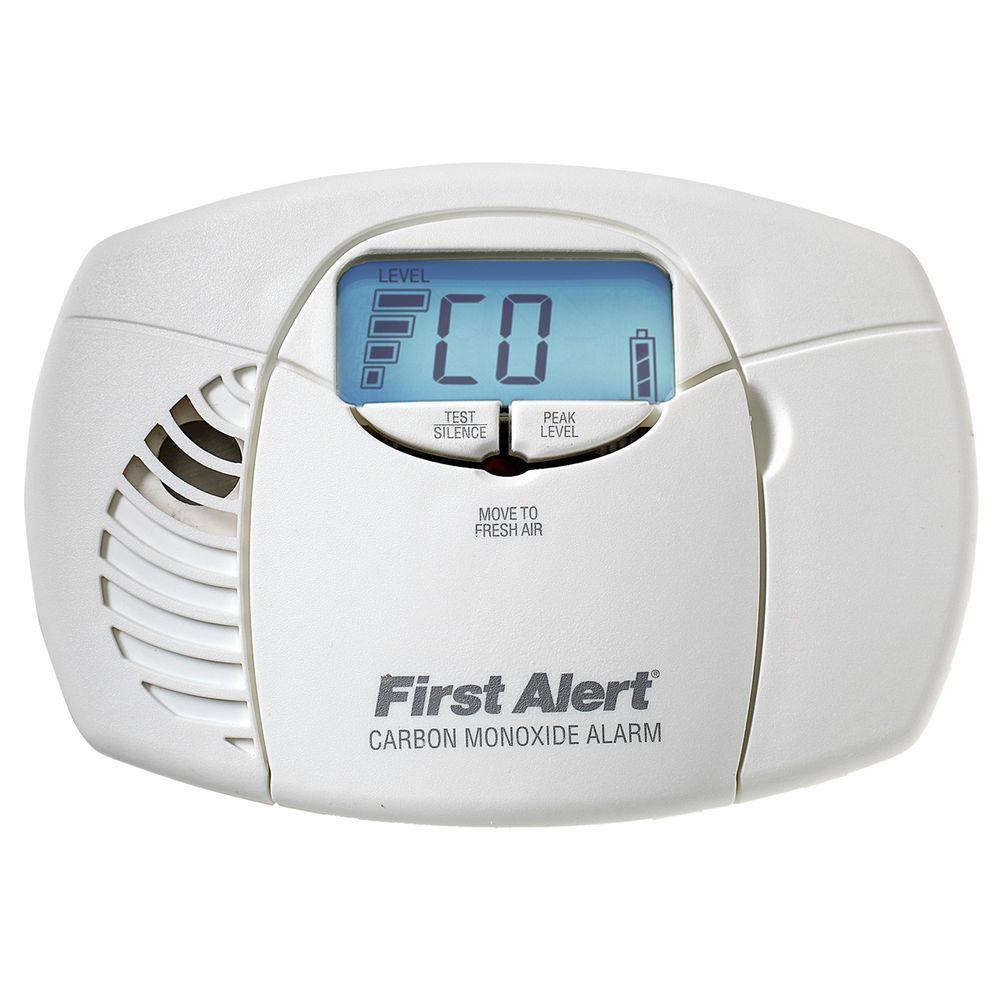
First alert carbon monoxide alarm keeps going off - blugugl -
150 PPM: At 150 PPM, the alarm needs to go off much faster – within 10-50 minutes. This is a significantly elevated level, and you definitely don't want to be breathing this for long.
-
400 PPM: When CO hits 400 PPM, your alarm is legally required to sound within 4-15 minutes. At this point, you're talking about levels that can cause serious illness and even death very rapidly. This is an emergency situation.
So, it’s not just about hitting a number, it's about hitting a number for a specific duration. This delay is actually a good thing because it reduces nuisance alarms from things like a car briefly idling too close to an open window, while still protecting you from the insidious effects of prolonged exposure.

Beyond the Beep: What Else You Should Know
Knowing the levels is one thing, but making sure your alarm can actually detect them is another. Here are some quick-fire thoughts:
-
Placement Matters: Don't just stick it anywhere. Most experts recommend placing them near sleeping areas and on every level of your home. Since CO mixes with air, it's not like smoke that rises; it can be anywhere.
-
Test It Regularly: That little "test" button isn't just for show. Push it once a month! You hit it, it beeps, you know it's working. Simple. Please, just do it.

Oven Sets Off Carbon Monoxide Detector: What to Do? - Home Arise -
They Don't Last Forever: CO alarms, like many good things, have an expiration date. Typically, they're good for 5-7 years. Check the manufacture date on the back and replace them when they expire! They're not like that ancient Tupperware you refuse to throw out; this is serious business.
-
If It Goes Off: Never ignore a CO alarm. Even if you don't feel sick, open windows and doors, get everyone (and pets!) outside into fresh air immediately, and then call 911 or your local emergency services from a safe location. Don't go back inside until the professionals say it's safe.
Ultimately, these little devices are our unsung heroes, silently monitoring the air we breathe. Understanding what makes them tick (or, in this case, beep loudly) helps us appreciate their importance and ensures we're better prepared to react when they do their job. Stay safe out there, folks, and give your CO alarm a little nod of appreciation today. It's working harder than you think.