
What Kind Of Leather Does Louis Vuitton Use

So, you're admiring that iconic Louis Vuitton bag. Maybe you're saving up for one, or perhaps you're simply curious about the magic behind the brand. One question that often pops up is: what kind of leather does Louis Vuitton actually use? It's more than just a simple answer, it’s a journey into craftsmanship, tradition, and a touch of luxury.
A Deep Dive into Louis Vuitton Leathers
Louis Vuitton isn't just about a logo; it’s about quality, and that starts with the materials. They're incredibly secretive about their exact tanning processes (a trade secret, naturally!), but we can definitely discuss the types of leather they commonly employ.
First, and perhaps most famously, is Vachetta leather. Think of that beautiful, almost luminous, untreated leather you often see on the handles and trim of many LV bags. It’s vegetable-tanned, which means it's tanned using natural tannins found in bark and other plant materials. This process is slower and more eco-friendly than chrome tanning. The beauty of Vachetta is that it develops a unique patina over time, darkening and softening with use. It’s like your bag develops its own story! Just be careful with watermarks - they are part of the charm, but not everyone appreciates them.
Must Read
Next up: Epi leather. This is one of the most durable leathers used by Louis Vuitton. Introduced in 1920, it's known for its distinctive textured surface. The leather is dyed and then imprinted with a wave-like pattern. This makes it incredibly resistant to scratches and water. Think of it as the practical, yet still gorgeous, sibling of Vachetta. If you're prone to spills or a bit clumsy (like many of us!), Epi leather might be your best friend.
Then there's Monogram Empreinte leather. This is supple, luxurious calfskin embossed with the iconic Monogram pattern. It’s soft to the touch and gives a more subtle, understated look compared to the classic Monogram canvas. It’s a more modern take on the brand’s heritage, perfect for those who appreciate quiet luxury.

And let's not forget Nomade leather. This is a very supple and natural calfskin. It has a more rugged, almost vintage feel. This is less common than the others, but it is still a luxurious option.
Beyond the Leather: Craftsmanship & Quality
It’s not just about the type of leather, though. It's about the selection of hides. Louis Vuitton is known for using only the highest quality hides. They meticulously inspect each one for imperfections. Any hide that doesn’t meet their exacting standards simply isn't used.
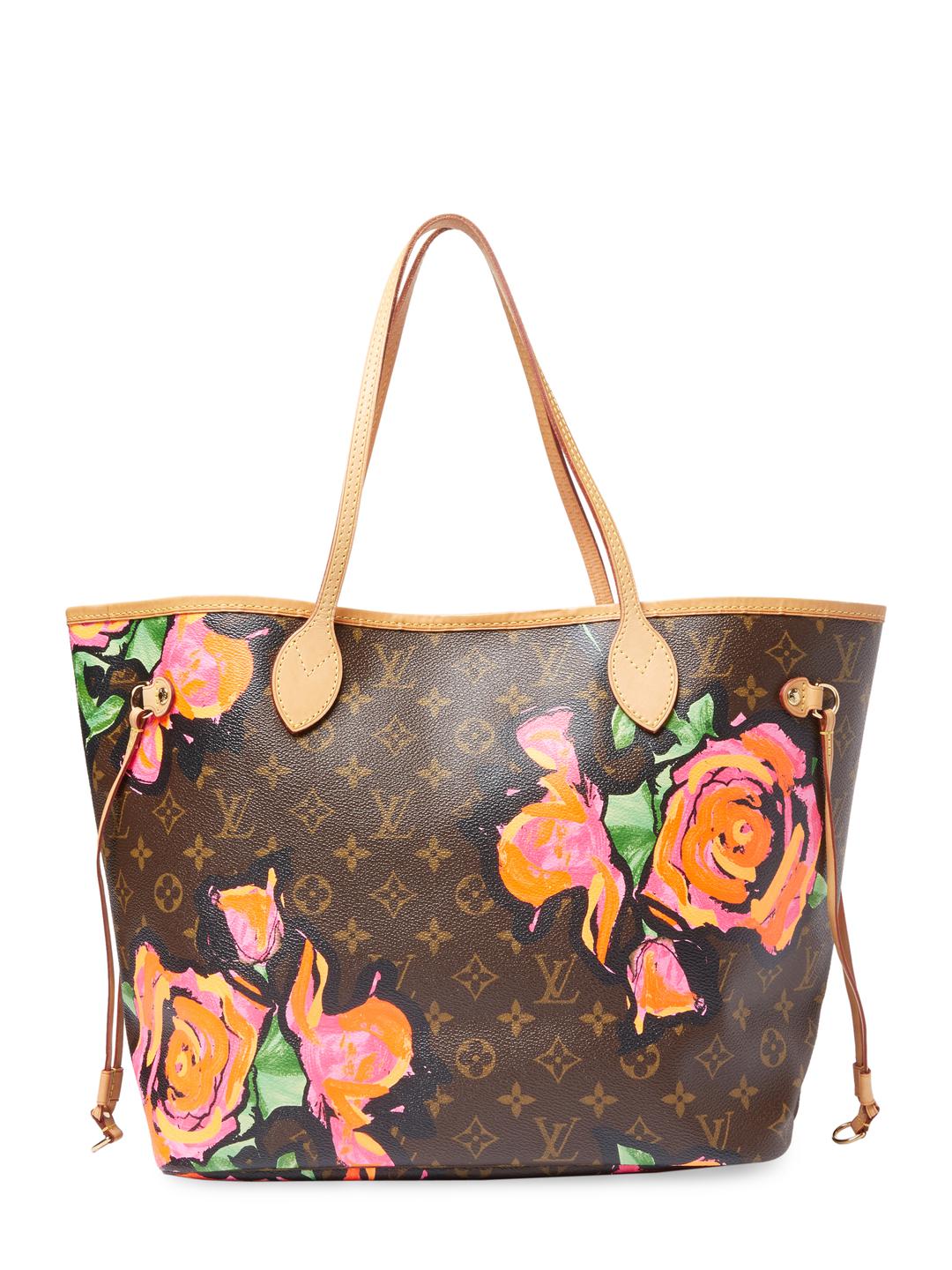
Think of it like choosing the finest ingredients for a gourmet meal. You can't make a Michelin-star dish with subpar ingredients. Similarly, Louis Vuitton’s commitment to quality materials is fundamental to its brand identity.
Did you know that Louis Vuitton even has its own tannery? This allows them to have even greater control over the leather-making process. They can ensure that every step, from tanning to dyeing, meets their precise specifications.

Caring for Your Leather Investment
Investing in a Louis Vuitton piece is a significant decision, and proper care is essential to ensure its longevity. Here are a few tips:
- Avoid overexposure to sunlight and heat. Just like our skin, leather can dry out and crack if exposed to extreme conditions.
- Use a leather conditioner regularly. This will help keep the leather supple and prevent it from drying out.
- Store your bag in a dust bag when not in use. This will protect it from dust and scratches.
- Be careful with dark clothing. Dye transfer can happen, especially with lighter leathers like Vachetta.
Think of it as caring for a classic car. A little TLC goes a long way in preserving its beauty and value.
Leather and Everyday Life
The story of Louis Vuitton’s leather is a reminder that quality matters. In a world of fast fashion and disposable goods, the brand’s commitment to craftsmanship and durable materials is refreshing. We can apply this principle to our own lives by investing in well-made items that will last, rather than constantly replacing cheap alternatives. Whether it's a leather bag, a pair of boots, or even a simple wallet, choosing quality is an investment in longevity and a celebration of enduring craftsmanship. It's about finding beauty in the everyday and appreciating the things that are made to last.
