
What Kind Of Batteries Go In A Smoke Detector

Okay, so picture this: You’re finally drifting off to sleep, maybe dreaming of puppies or unlimited pizza. And then, BEEP! A single, piercing, utterly soul-crushing chirp from the ceiling. You know the one, right?
Ah, yes. The infamous low-battery alert from your smoke detector. It’s like a tiny, dramatic opera singer delivering its one-note performance, usually at 3 AM. Seriously, it’s the worst alarm clock ever invented. But it’s also a little guardian angel, so we forgive it. Eventually.
But then comes the fun part: figuring out what kind of battery that thing actually needs. It's not always as straightforward as you'd think, is it? Let's dive in!
Must Read
The Classic Contender: The 9V
For decades, the 9V battery has been the undisputed heavyweight champion of smoke detector power. You know the one – that rectangular brick with two little nubs on top? It's iconic! Many, many smoke alarms, especially older or more basic models, still proudly rock a single 9V battery.
If you pop open your smoke detector (carefully, please!), and you see something that looks like it belongs in a retro walkie-talkie, chances are it's a 9V. They’re super common, pretty affordable, and easy to find at pretty much any store.
The "Wait, What?" Crew: AA or AAA
Now, just when you thought you had the battery game figured out, some modern smoke detectors decided to mix things up a bit. You might actually find models that use AA or even AAA batteries!
Yeah, I know, right? It's like they're trying to keep us on our toes. These are often found in newer, more compact designs, or sometimes in combo units that detect both smoke and carbon monoxide. Why? Well, sometimes it's about fitting more tech into a smaller space, or perhaps providing a slightly different power curve. It really just depends on the manufacturer's design. So, don't be shocked if you open yours up and find a couple of those familiar cylindrical cells looking back at you.

The "Set It and Forget It" Superstar: The 10-Year Lithium
And then there's the rockstar of smoke detector batteries: the 10-year sealed lithium battery. Ah, bliss! Imagine never hearing that chirp for an entire decade. Sounds like a dream, right?
Many newer smoke alarms, particularly those designed for long-term, worry-free operation, come with these special batteries permanently sealed inside. The idea is that the battery lasts for the entire lifespan of the alarm itself (which is usually around 10 years for the unit). When the 10 years are up, you just replace the entire unit. No more frantic battery swaps on a step-ladder at 3 AM! These are a fantastic convenience, though the initial cost of the alarm might be a tiny bit higher.

How Do You Know Which One Yours Needs?
Good question! And thankfully, the answer is pretty simple. Here’s your cheat sheet:
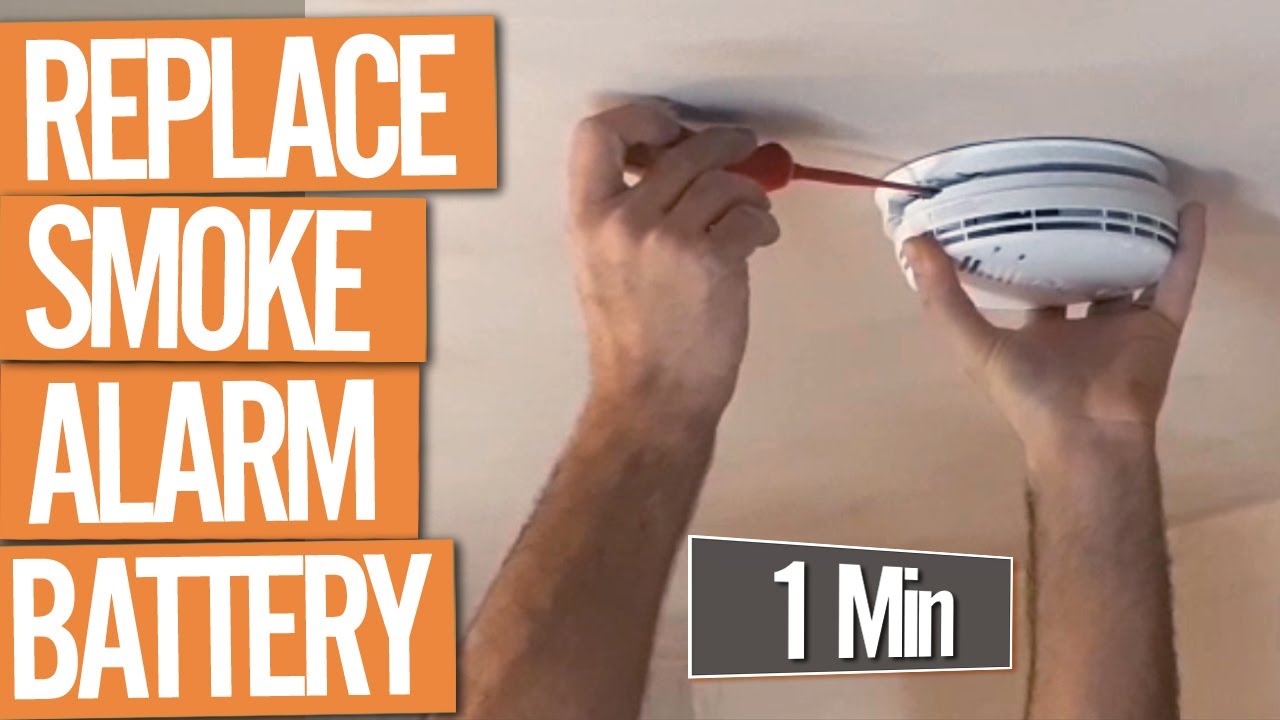
- Open it up! This is the most straightforward way. Gently twist or unlatch your smoke detector from its base (usually it's a simple twist counter-clockwise). The battery compartment should be right there. Take out the old battery and just look at it. It'll tell you exactly what it is.
- Check the label or manual. If you’re lucky enough to still have the manual, it’ll definitely say. Otherwise, sometimes there’s a little sticker inside the battery compartment or on the back of the unit itself.
- When in doubt, take a picture! Snap a photo of the old battery before you dispose of it. That way, you have a perfect reference when you hit the store.
A Few Friendly Reminders (Because We're Friends, Right?)
Even if you know your battery type, a few extra tips are always helpful:
- Hardwired doesn't mean battery-free! Most smoke detectors that are hardwired into your home's electrical system still have a backup battery. This is crucial in case of a power outage. So, yep, they can still chirp!
- Don't mix and match. If your detector takes multiple AA batteries, replace all of them at the same time. Don't throw in a fresh one with a nearly dead one. They won't play nice.
- Alkaline vs. Lithium (for the replaceable ones). For your standard 9V or AA/AAA, alkaline batteries are perfectly fine. They’re what most people use. Lithium versions exist for these sizes too and generally last longer, but they come with a higher price tag. Totally up to you!
- Test it regularly! Once a month, give that test button a press. It only takes a second!
- Change 'em when you change your clocks. The "spring forward, fall back" daylight saving time changes are a great, easy-to-remember reminder to swap out your batteries (unless you have those fancy 10-year ones, you lucky duck).
So there you have it! No more guessing games. Next time that little siren goes off, you'll be a battery-swapping pro. And honestly, a little peace of mind knowing your smoke detector is ready to protect your home? Totally worth the minimal effort. Now, go forth and conquer those chirps!
