
What Is The Temperature Of Medium Heat

Alright, my culinary adventurers, let's talk about one of life's great, delicious mysteries. You've seen it in countless recipes, right? "Heat medium heat." You stand there, spatula in hand, staring at your stove, a tiny bead of sweat forming on your brow. What is medium heat, really? Is it the middle setting on my dial? Is it a feeling? A vibe?
Fear not, fellow food enthusiasts! We're about to demystify this common instruction, not just so your dinner turns out perfect (though it totally will!), but so you can feel like a kitchen wizard, ready to conquer any recipe with a confident sizzle. Because, let me tell you, understanding this little detail isn't just about cooking; it's about unlocking a whole new level of kitchen joy!
The Big Reveal (Spoiler: It's Not a Single Number, But That's the Fun Part!)
Here's the honest truth, and don't let it scare you: there isn't one universally agreed-upon, hard-and-fast temperature for "medium heat" that applies to every single stovetop and pan in the world. Your grandma's ancient cast iron on a gas burner is going to behave differently than your sleek induction cooktop with a stainless-steel skillet. And that, my friends, is exactly where the fun begins!
Must Read
Think of your stovetop settings more like a range of possibilities, a spectrum of deliciousness waiting to be explored. Instead of a rigid rule, let's think of it as a helpful guide to achieving culinary greatness.
So, What's the Temperature Range We're Aiming For?
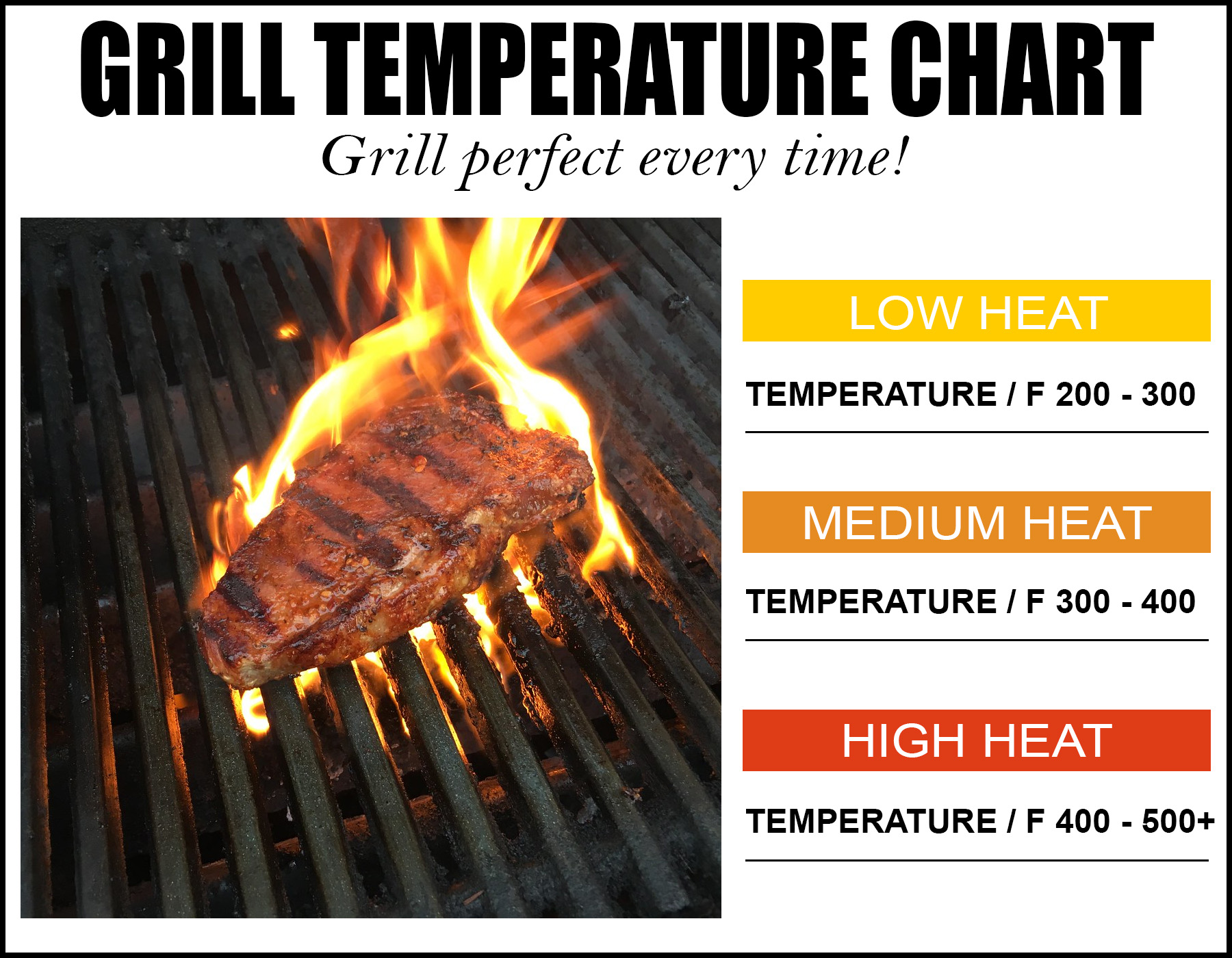
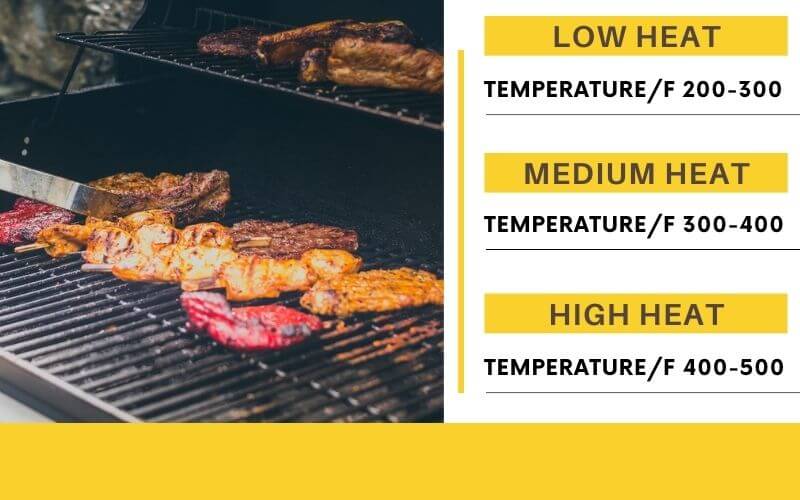
While intuition is key (we'll get to that!), it’s super helpful to have some numbers in your back pocket. When recipes call for medium heat, they're generally guiding you towards a pan temperature somewhere in the glorious sweet spot of around 300°F to 375°F (149°C to 190°C).
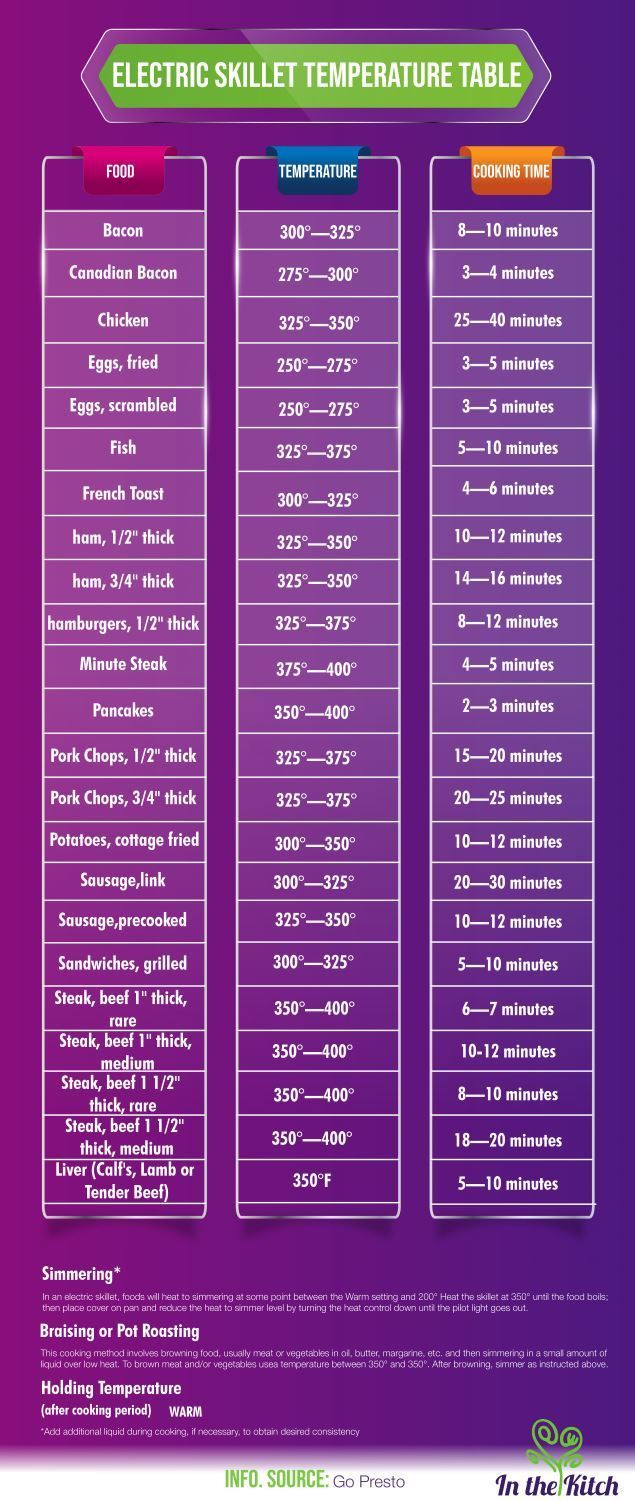
See? Not so scary, right? Let's quickly peek at the neighbors on the temperature block so you can see where medium proudly stands:
- Low Heat: Around 200-250°F (93-121°C) – Think gentle simmering, slow warming, keeping food warm without cooking it further.
- Medium-Low Heat: Roughly 250-300°F (121-149°C) – Great for melting, slow-cooking delicate items, or gently sweating vegetables.
- Medium Heat: Our star! 300-375°F (149-190°C) – This is your go-to for sautéing, pan-frying, browning, and achieving that beautiful caramelization.
- Medium-High Heat: About 375-450°F (190-232°C) – Perfect for searing meats, stir-frying quickly, and getting a nice crisp on potatoes.
- High Heat: 450-500°F+ (232-260°C+) – Reserved for super-fast searing, getting a char, or bringing liquids to a rapid boil. Use with caution!
Why Does Understanding "Medium Heat" Make Life More Fun?
Oh, where do I even begin?! Knowing this isn't just about following instructions; it's about gaining control, confidence, and creating truly spectacular food.
Imagine this: You want perfectly seared scallops. Too low, and they'll steam and be rubbery. Too high, and they'll burn outside, raw inside. But at that magical medium heat? You get a beautiful, golden-brown crust, tender, sweet flesh, and a triumphant smile on your face. That's the Maillard reaction, my friends, doing its delicious dance!
Think of your morning pancakes. Ever had them pale and doughy, or worse, scorched on the outside but still gooey in the middle? Medium heat is the secret to those fluffy, golden discs of joy. It allows the batter to cook through evenly while developing that lovely color without burning. Pure breakfast bliss!
Sautéing vegetables? Medium heat keeps them vibrant, tender-crisp, and full of flavor. No sad, mushy veggies here! This level of heat encourages flavor development, allowing ingredients to brown slightly, releasing their deeper, more complex tastes.
It turns cooking from a stressful guessing game into an enjoyable, creative process. No more burning garlic while you chop onions! No more undercooked chicken that looks done! With a better grasp of heat, you can juggle tasks, cook with rhythm, and genuinely enjoy the art of creating a meal.
Beyond the Numbers: Trust Your Senses!
While those temperature ranges are fantastic guidelines, the real magic happens when you start to feel the heat. Developing your culinary intuition is like gaining a superpower!
- Listen: A gentle sizzle is good for medium. A loud, aggressive hiss might be too high. Silence? Too low.
- Look: Observe how oil behaves. A shimmer, with maybe a wisp of smoke, often indicates good medium-high to high. For medium, you'll see a slight ripple, but no smoking.
- Test: The classic water drop test! Flick a few drops of water into your pan. If they evaporate instantly with a faint sizzle, you're likely in the medium to medium-high zone. If they just sit there, not hot enough. If they dance frantically and disappear in a puff of smoke, too hot!
Don't be afraid to adjust your burner up or down throughout the cooking process. Your stove isn't a museum piece; it's a tool to be wielded! Learning to read your pan and your ingredients is one of the most rewarding skills you'll ever develop in the kitchen.
Go Forth and Sizzle!
So, the next time a recipe whispers "medium heat," you won't just blindly set your dial to the middle. You'll know what it means. You'll have a temperature range in mind, an intuition for the sizzle, and a confidence that comes from truly understanding your craft.
Cooking isn't just about following rules; it's about understanding principles, experimenting, and finding joy in the process. Embrace the learning curve, celebrate your successes (even the small ones!), and don't be afraid of a few "happy accidents" along the way.
This understanding of medium heat is just one step on your magnificent culinary journey. What other cooking mysteries are waiting to be solved? What other techniques are ready to be mastered? Dive in, experiment, and discover the sheer delight of truly knowing your way around the kitchen. Your taste buds (and your dinner guests!) will thank you for it. Happy cooking!