
What Is The Survival Rate For Stage 4 Neuroblastoma
Alright, buckle up buttercups! We're diving into a topic that can sound a bit scary: Stage 4 Neuroblastoma. But fear not! We're going to tackle it with sunshine, rainbows, and a healthy dose of "we got this!"
Think of it like this: Stage 4 is the neuroblastoma equivalent of a cross-country road trip. The cancer, which started in nerve cells, has decided to see the world (or at least, other parts of the body).
Now, I know what you're thinking: "Road trip? Stage 4? Survival rate? These don't sound like a party!" Trust me, we'll break it down, no doom and gloom allowed.
Must Read
What Exactly IS This "Survival Rate" Thing?
Survival rate is basically a percentage that tells you how many people with a specific disease are still kicking it after a certain amount of time. Usually, we're talking about 5 years.
It's like predicting how many slices of pizza will be left after a party. It's not a guarantee, but it gives you a good idea!
Important note: these numbers are based on groups of people. You are an individual, a unique and amazing snowflake. Your journey is yours alone!
Stage 4 Neuroblastoma: Let's Get Real
Okay, let's address the elephant in the room. Stage 4 neuroblastoma, being more widespread, is indeed more challenging than earlier stages. Think of it like trying to herd cats in a hurricane – possible, but requires extra effort!
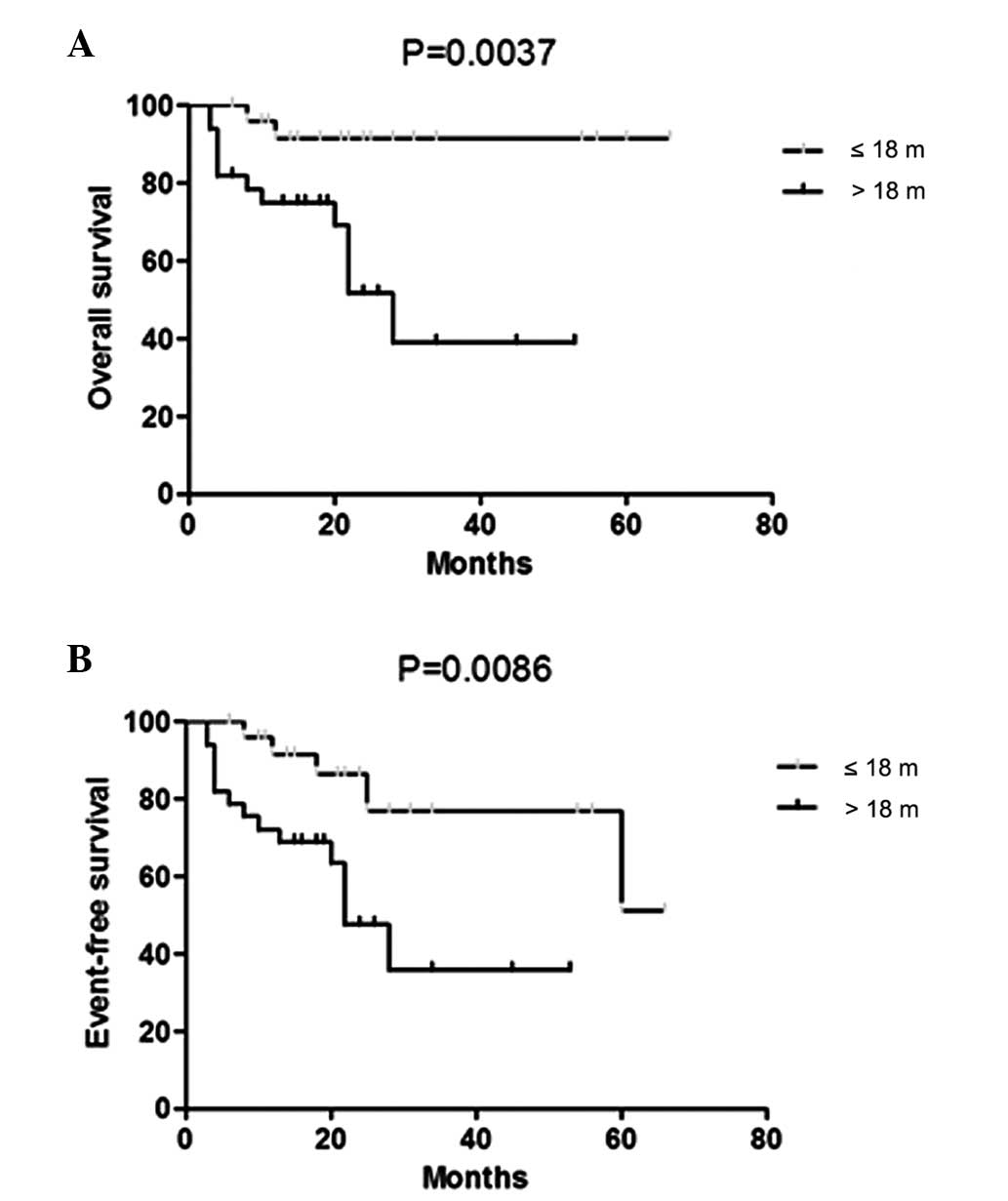
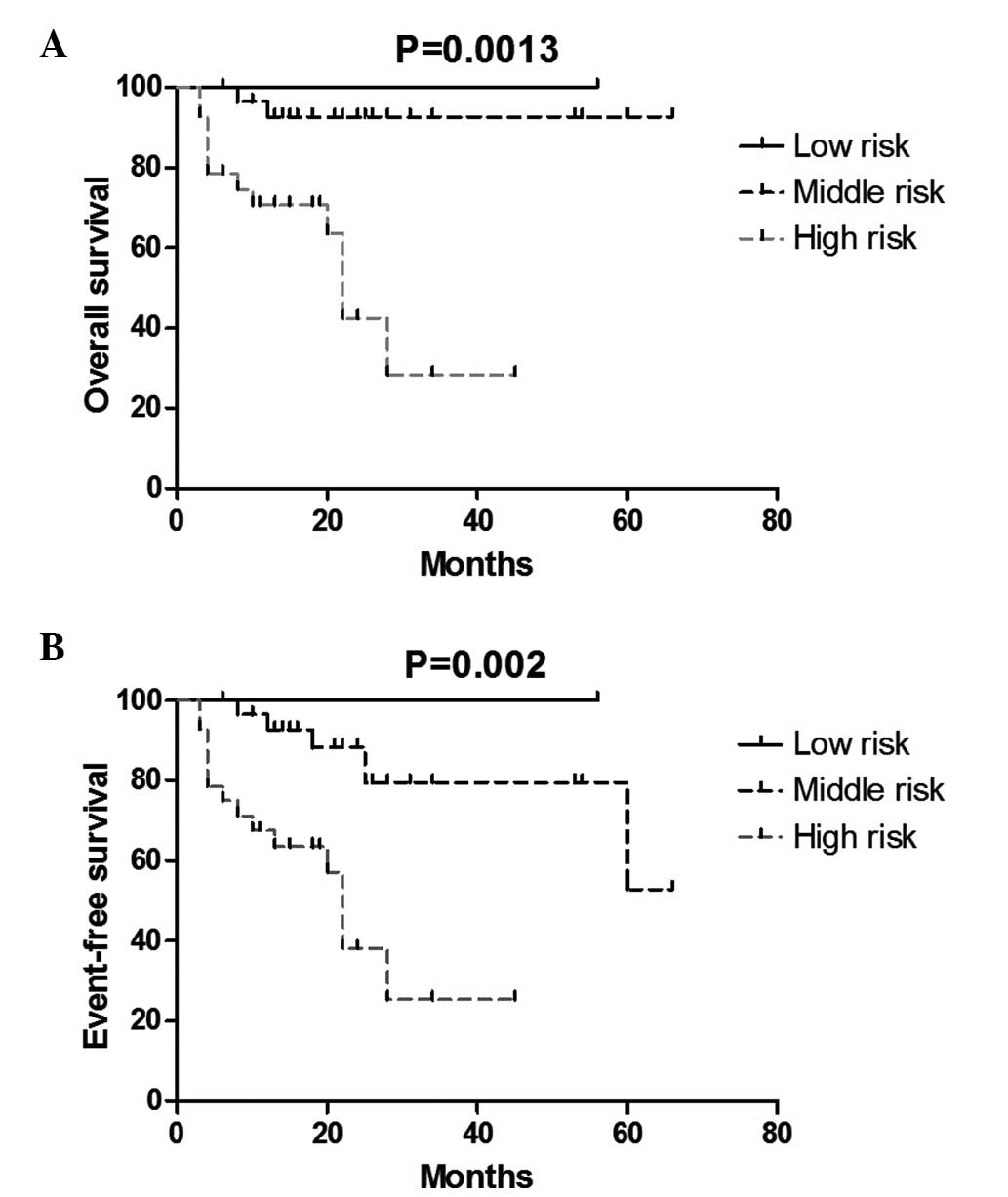
The 5-year survival rate for high-risk Stage 4 neuroblastoma can vary quite a bit, but generally, it hovers around the 40-50% mark.
But wait! Don’t let that number scare you. It's a statistic, not a fortune teller.

It's like saying that because some people trip walking down the street, everyone will. We know that's not true! We can lace up our shoes, pay attention, and keep walking!
Moreover, this number represents past data. Medical science is constantly evolving faster than a caffeinated cheetah. New treatments and therapies are being developed all the time.
Factors, Factors Everywhere!
Survival rates aren't set in stone. They're influenced by a whole host of things. It's like baking a cake – lots of ingredients go into the final result!
Here are some of the key players:
- Age: Younger kids tend to have better outcomes than older kids. Think of it like a fresh, young tree being able to bounce back more easily than an older one.
- MYCN Amplification: MYCN is a gene. If it's amplified (meaning there are too many copies), it can make the neuroblastoma more aggressive. It's like turning the volume up to eleven on a bad song – not ideal.
- Nerve Growth Factor Receptor (TrkA) Expression: High levels of TrkA are generally a good sign. Think of it as a welcome mat for treatments!
- DNA Ploidy: This refers to the amount of DNA in the neuroblastoma cells. Having a "normal" amount (diploid) is often less favorable than having more (hyperdiploid). It’s complicated, but basically, extra DNA can make the cells less aggressive.
- Location of the Primary Tumor: Where the tumor started can affect treatment options and outcomes. It's like knowing where the fire started helps the firefighters put it out!
- Response to Initial Therapy: How well the neuroblastoma responds to the first round of treatment is a big indicator. A strong initial response is like scoring a home run in the first inning!
It's a complex puzzle, and doctors use all these pieces to create the best treatment plan possible.
Treatment: The Superhero Squad
Speaking of treatment, let's talk about the awesome arsenal doctors have to fight this battle. It's like assembling a superhero squad!

Common treatments for Stage 4 neuroblastoma include:
- Chemotherapy: The classic hero! Powerful drugs that target and kill cancer cells. Think of them as tiny warriors fighting the good fight.
- Surgery: If possible, surgeons will remove as much of the tumor as they can. It's like sending in the demolition crew!
- Radiation Therapy: High-energy rays that zap cancer cells. Like a targeted beam of awesome!
- Stem Cell Transplant: Replacing damaged bone marrow with healthy cells. It's like hitting the reset button!
- Immunotherapy: Training the body's own immune system to attack the cancer cells. Like teaching your body to be its own superhero! Dinutuximab is a common immunotherapy drug used for neuroblastoma.
- Mibg Therapy: Radioactive iodine is used to target cancer cells.
Often, these treatments are used in combination, like a well-coordinated superhero team-up!
Living Beyond the Numbers
Okay, let's get back to that survival rate. Remember, it's not the whole story. It doesn't tell you about the amazing quality of life that can be achieved during and after treatment.
Many children with Stage 4 neuroblastoma go on to live full, happy lives. They go to school, play sports, make friends, and generally be awesome kids.
It's about focusing on living each day to the fullest. Enjoying the small moments, laughing with loved ones, and making memories.
The Power of Positivity (and Really Good Snacks)
Let's be real, fighting cancer is tough. But a positive attitude can make a HUGE difference. Think of it like this: would you rather climb a mountain with a smile on your face, or a frown?

Surrounding yourself with a supportive network of family, friends, and healthcare professionals is crucial. They're your pit crew, your cheerleaders, your providers of really good snacks.
There are also amazing organizations dedicated to helping families affected by neuroblastoma. Alex's Lemonade Stand Foundation, for example, funds research and provides support to families. Connecting with others who understand what you're going through can be incredibly helpful.
It's about finding strength in community and facing the challenges together.
Research: The Hope Machine
The best news of all? Research is constantly pushing the boundaries of what's possible. Scientists are working tirelessly to develop new and better treatments for neuroblastoma.
Clinical trials are a vital part of this process. They allow researchers to test new therapies and find ways to improve outcomes.
Participating in a clinical trial can be a way to access cutting-edge treatment and contribute to the advancement of medical knowledge. It's like being a pioneer on the frontier of science!
The future is bright, and research is the engine that will get us there.
So, What's the Takeaway?
Stage 4 neuroblastoma is a serious diagnosis, but it's not a death sentence. Survival rates are just one piece of the puzzle, and they don't tell the whole story.
Focus on the things you can control: following your doctor's recommendations, maintaining a positive attitude, and surrounding yourself with love and support.
Remember, you are stronger than you think. You are a warrior, a survivor, and an all-around amazing human being! Now go out there and shine!
And don't forget the really good snacks.
Disclaimer: This information is for general knowledge and entertainment purposes only, and does not constitute medical advice. Always consult with a qualified healthcare professional for any health concerns or before making any decisions related to your health or treatment.