What Is The Right Temperature For Your Home
Hey there, comfort seekers! Ever find yourself shivering under a blanket in your own living room, or sweating like you're in a sauna while supposedly relaxing? Yeah, we've all been there. So, what's the deal? What's the magic number when it comes to the right temperature for your home?
Well, it's not quite as simple as dialing in 72°F and calling it a day. Think of it like finding the perfect level of spice for your chili. Too much, and you're reaching for the milk. Too little, and it's just… bland. Home temperature is a personal preference, but there are some generally accepted guidelines and cool things to consider.
The Goldilocks Zone: Not Too Hot, Not Too Cold
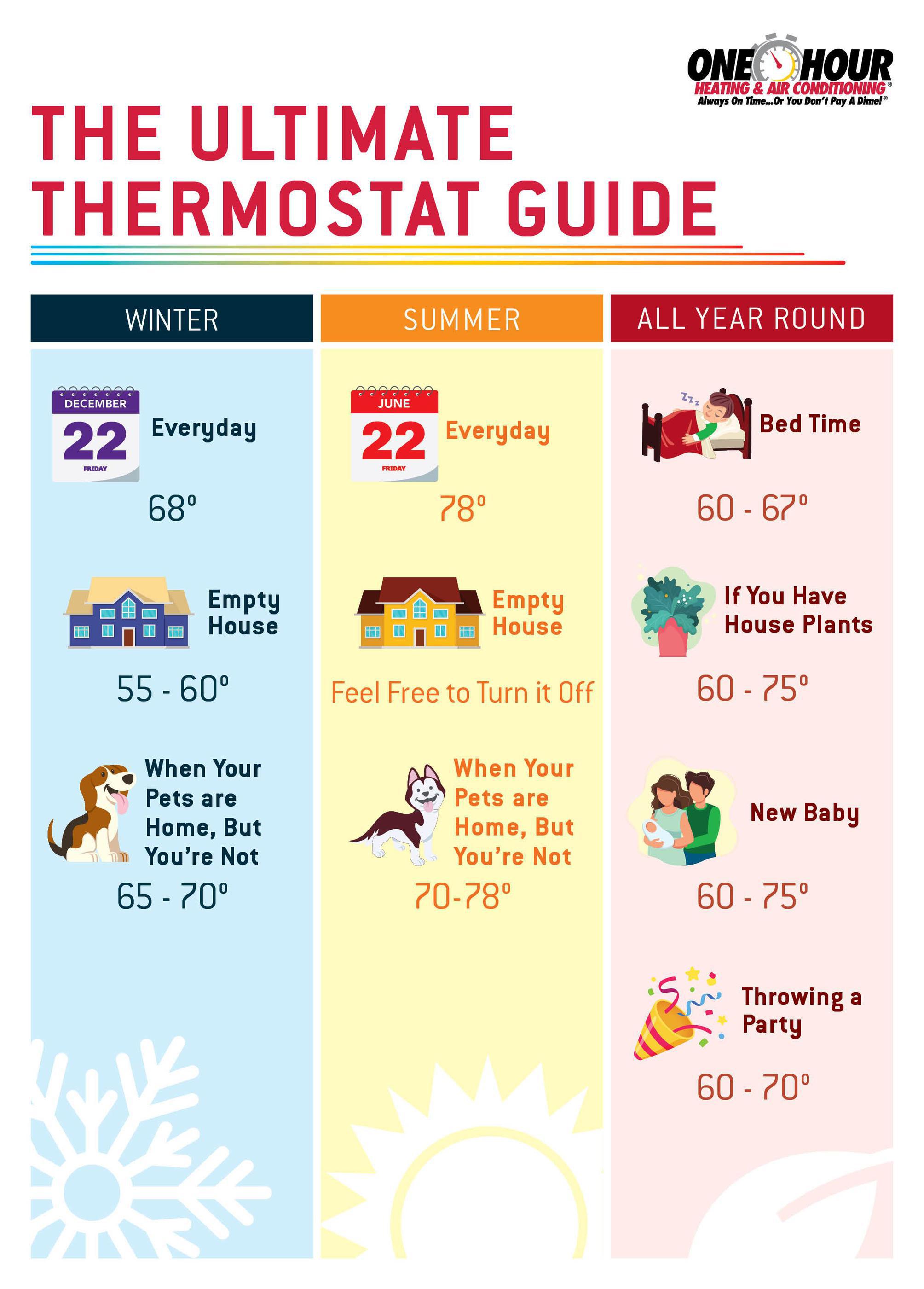
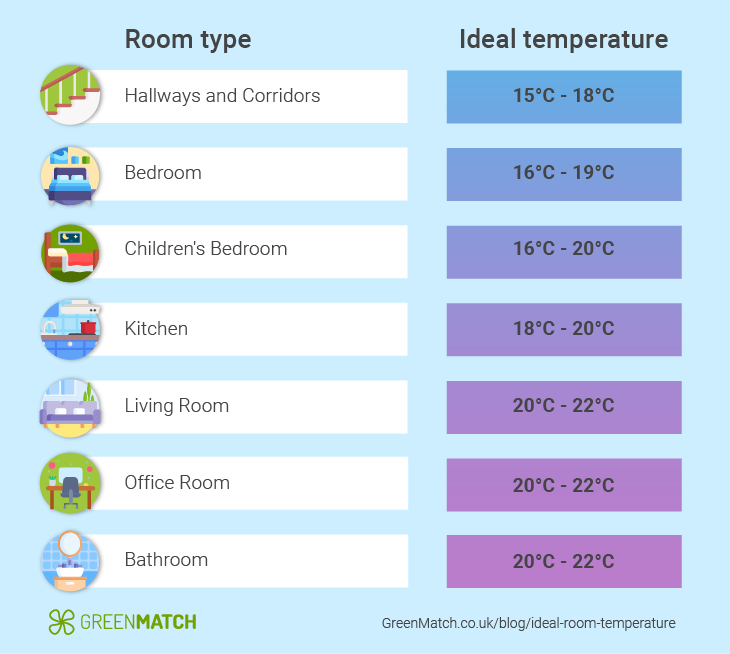
Let’s start with the basics. Experts often recommend a range of 68°F to 72°F (20°C to 22°C) when you're home and awake. Why this range? It's generally considered the sweet spot for balancing comfort and energy efficiency. Think of it as the Goldilocks zone for your thermostat!
Must Read
But, let's be real, is that temperature set in stone? Nope! That's just a starting point. Factors like your activity level, what you're wearing, and even the time of year can play a big role. Are you curled up with a book under a fuzzy blanket? Maybe you can crank the thermostat down a notch. Are you doing some hardcore home workout? Maybe a slightly cooler temp is in order.
Sleep Tight, Don't Let the Bed Bugs (or the Heat) Bite
When it comes to sleeping, things get even more interesting. Most experts recommend lowering the temperature to between 60°F and 67°F (16°C to 19°C). Why so chilly? Well, your body temperature naturally drops when you sleep, and a cooler environment can actually promote better sleep quality. Think of it like tucking yourself into a nice, cool cloud.

Imagine your body is like a high-performance engine. It needs to cool down after a long day of running (or, you know, sitting at a desk). A cooler room helps facilitate that process, leading to a deeper and more restful sleep. Plus, who doesn't love snuggling under the covers on a cool night?
Energy Savings: Be Kind to Your Wallet (and the Planet!)
Okay, so comfort is key, but let's not forget about energy efficiency. Heating and cooling can be major energy hogs, so being smart about your thermostat settings can save you some serious money. The U.S. Department of Energy suggests setting your thermostat to around 78°F (26°C) when you're away from home. Think of it as giving your HVAC system a well-deserved vacation!
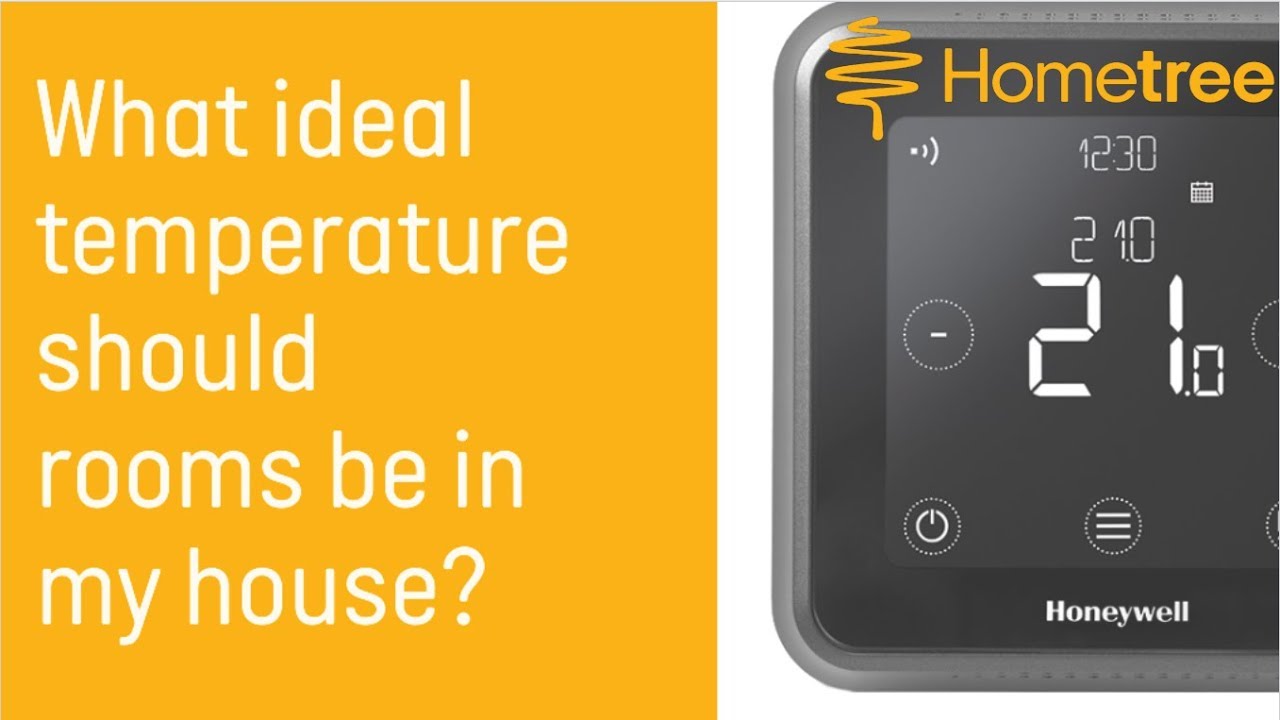
You can also use a programmable thermostat to automatically adjust the temperature based on your schedule. It's like having a little robot butler who's always looking out for your comfort and your wallet. Pretty cool, right?
Factors That Influence Your Ideal Temperature
So, we've covered the general guidelines, but remember, everyone is different! Here are a few extra things to consider when finding your personal perfect temperature:

- Your age: Babies and older adults may prefer slightly warmer temperatures.
- Your clothing: Are you wearing shorts and a t-shirt or a cozy sweater?
- Your activity level: Are you lounging around or doing some serious spring cleaning?
- The season: Obviously, you'll probably want to adjust your thermostat based on the time of year.
- Your home's insulation: A well-insulated home will retain heat better in the winter and stay cooler in the summer.
Think of your home as your personal ecosystem. You want to create an environment that's comfortable and healthy for you and your family. And that means finding the right temperature balance.
Experiment and Find Your Sweet Spot
Ultimately, the best way to find the right temperature for your home is to experiment. Try different settings and see what feels best for you. Don't be afraid to tweak things a little bit until you find your personal comfort zone.
So, go forth and conquer your thermostat! Find that perfect temperature that makes your home feel like a true sanctuary. And remember, there's no right or wrong answer, as long as you're comfortable and happy. Happy temperature tweaking!