
What Is The Opposite Of A Stimulant
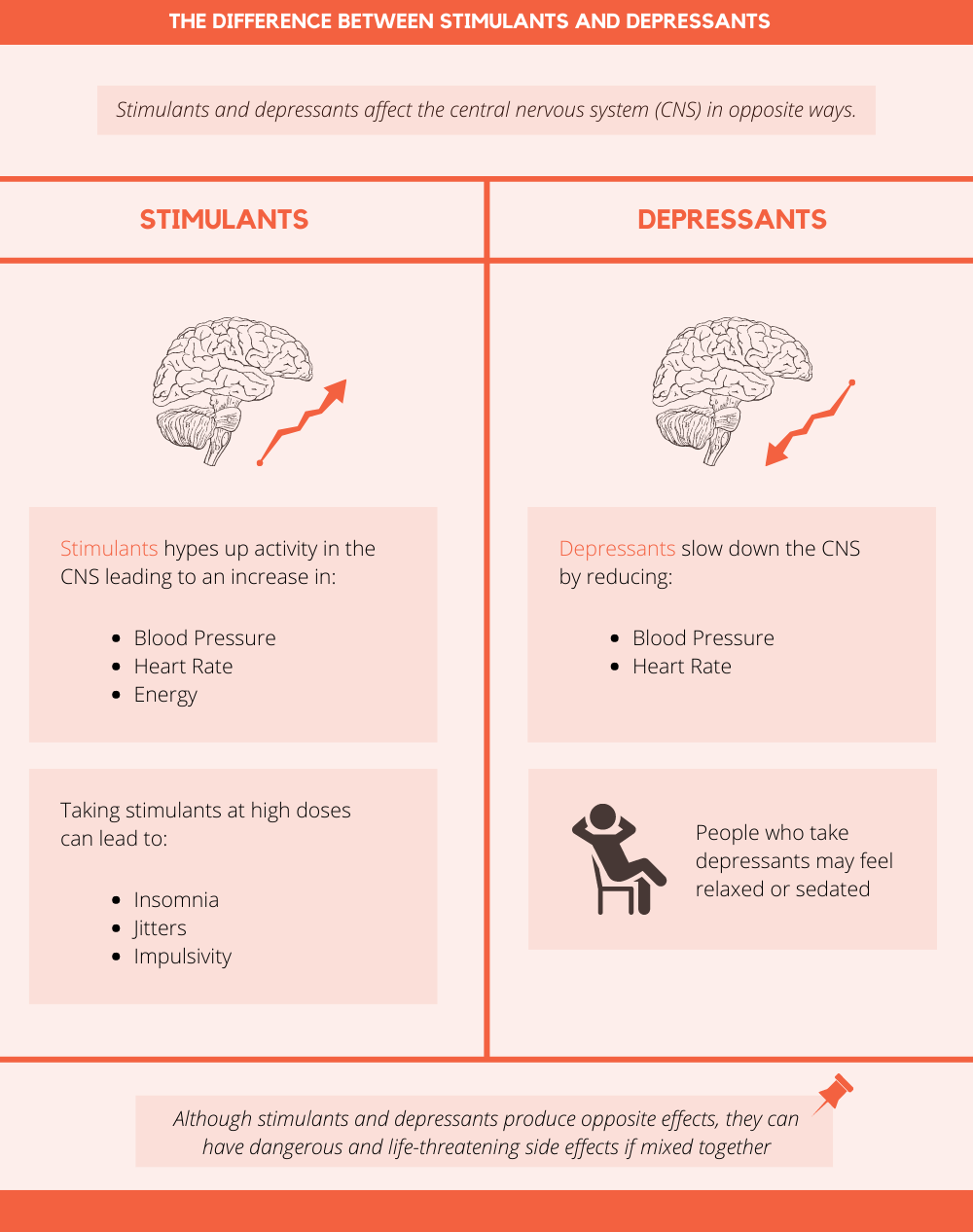
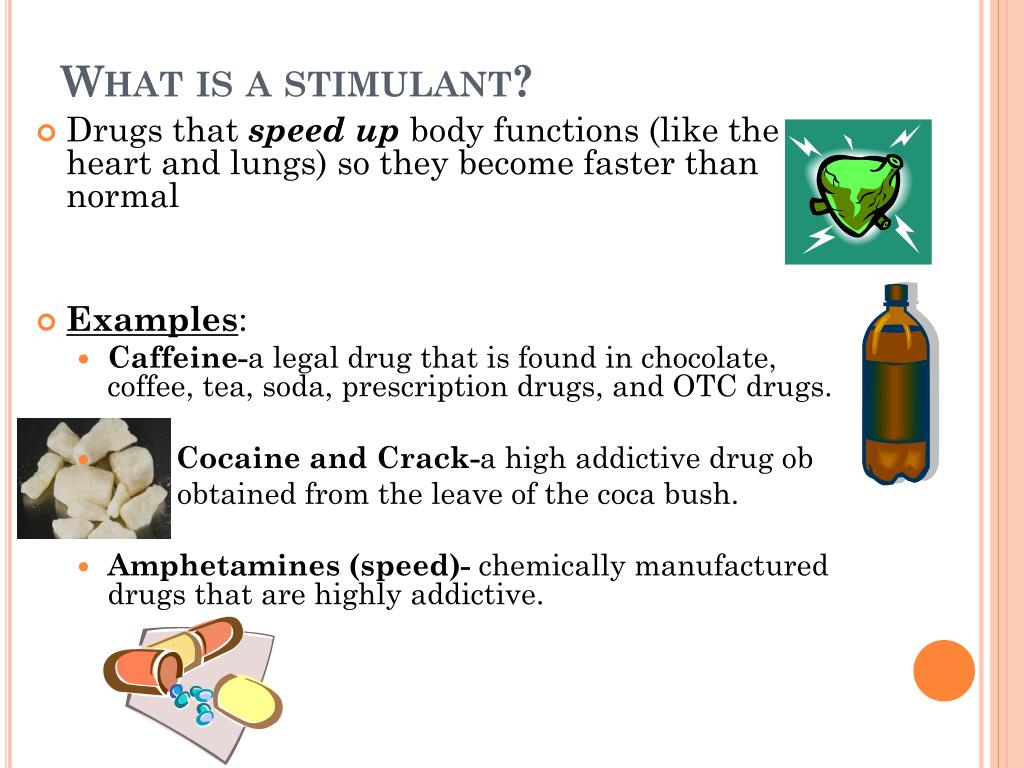
Hey there! Ever feel like you're running on fumes? We've all been there. And maybe, just maybe, you've reached for that extra cup of coffee (or three!). We know stimulants can give you a little oomph, but what about the opposite?
So, what is the opposite of a stimulant? Well, let's dive in. You might think it's something super complicated, but honestly, it's probably simpler than you think. (Unless you want to overthink it, then go wild!)
Downers, Sleep Aids, and Chill Pills: The Usual Suspects
Okay, so first thought: depressants! Yep, depressants are generally considered the opposite of stimulants. Think of them like the chill pills of the pharmacology world. They slow down brain activity. That's the key thing to remember. They're like hitting the brakes on your mental racecar.
Must Read
Things like alcohol, sedatives, and some anti-anxiety meds fall into this category. They can make you feel relaxed, sleepy, or even downright out of it. But remember, they should be used responsibly, if at all! We're not endorsing anything reckless here. Just exploring ideas.
Speaking of sleepy...sleep aids! Melatonin, for example, isn't technically a depressant in the same way alcohol is, but it definitely promotes relaxation and sleepiness. So, you could argue it's on the "opposite of stimulant" team. Does that make sense? Are we on the same page? Excellent!

But Wait, There's More! The Holistic Approach
But, hold on! It's not all about medication and mind-altering substances. The "opposite of stimulant" can also be about lifestyle choices. Think about it...what happens when you're constantly hyped up on caffeine and adrenaline?
You crash! Hard. So, the real question is: how do you avoid that crash? The answer, my friend, is blowing in the wind... okay, just kidding. It's about balance.
Prioritizing sleep is a big one. Imagine that! Getting enough Zzz's can naturally calm your system. Seems obvious, right? But how many of us actually get enough sleep? (Don't worry, I'm guilty too!).
Mindfulness and meditation also fall into this category. Taking a few minutes to breathe and center yourself can do wonders. Think of it as a mental reset button. Plus, it's free! (Although, some fancy meditation apps will try to get you to pay...resist!).
And let's not forget about exercise. Now, I know what you're thinking: "Exercise? Isn't that a stimulant?" Well, yes and no. While it can give you an energy boost, regular exercise also helps regulate your mood and reduce stress in the long run. Plus, it helps you sleep better! See how everything's connected?
So, the Opposite Isn't Always a "Thing"
Here's the kicker: the opposite of a stimulant isn't always a substance. It's often a state of being. It's about finding ways to calm your mind and body, to slow down and recharge. It's about finding your own personal "chill zone."
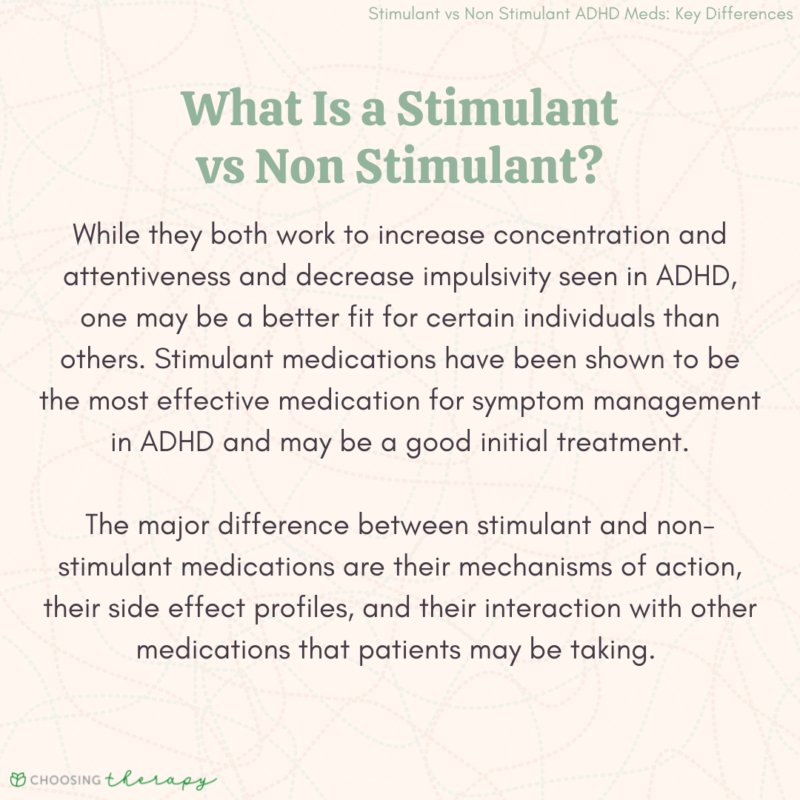
Consider it a spectrum. On one end, you have the stimulants that get you buzzing. On the other end, you have the depressants that slow you down. But in the middle, you have all sorts of things that can help you find balance, from mindfulness to a good night's sleep.
Ultimately, the "opposite of a stimulant" is whatever helps you find peace and calm in your own crazy world. So, go forth and find your chill! (And maybe skip that third cup of coffee tomorrow. Just sayin').
And hey, if all else fails, there's always a nap. Naps are severely underrated. Don't underestimate the power of a good nap!