
What Is The Most Protected Building In The World

Hey there! Grab a cuppa, seriously. Got a wild thought that's been rattling around in my brain, and I just had to share it with you.
So, like, ever sat there, maybe scrolling through some random listicle, and wondered, "What's the most protected building on Earth?"
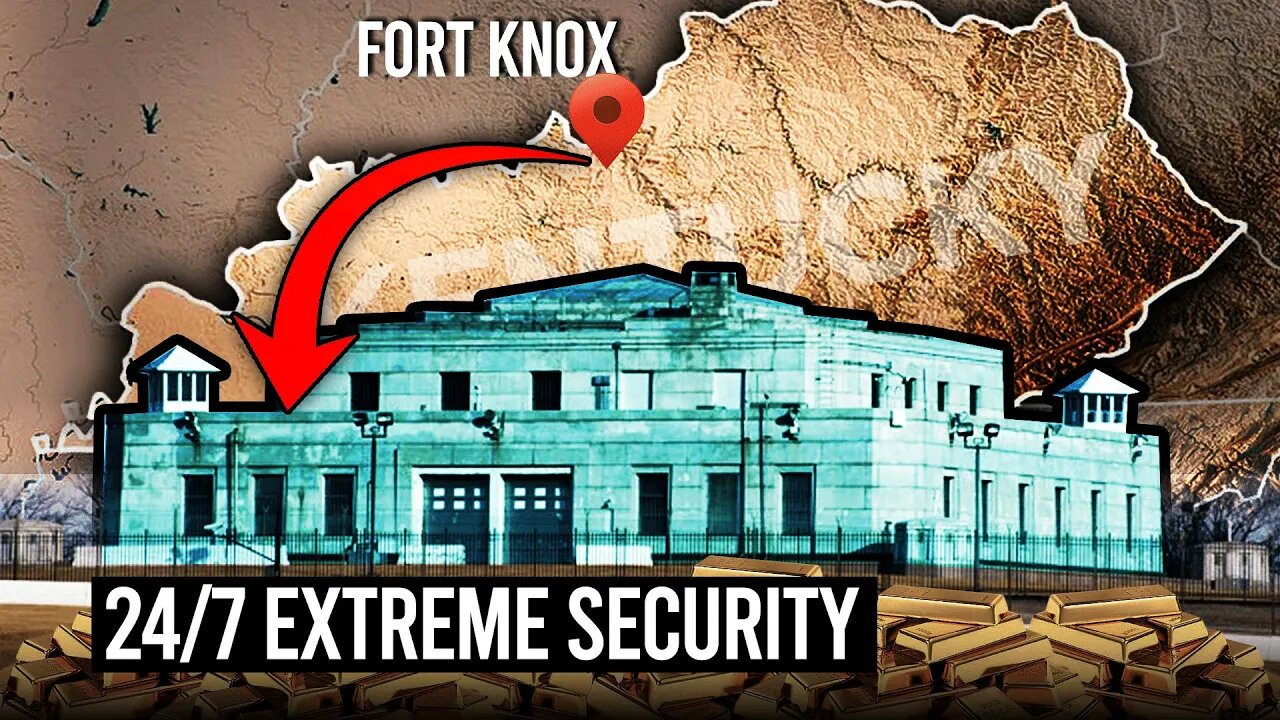
Immediately, your brain probably zips to, what, the White House? Or maybe that super-secret vault at Fort Knox, brimming with gold bars? Am I right? Totally understandable! Those places scream 'fortress,' don't they?
Must Read
But here's the kicker, the actual, honest-to-goodness answer might just completely blow your mind.
It's Not What You Think... And It's Not Even "One" Thing!
Because, plot twist, it's probably not what you're thinking. And honestly, it's not even a single, universally agreed-upon building you could point to on a map and say, "That one!"
Think about it. The "most protected" isn't always the flashiest, right? It's often the quietest, the most secretive. The ones you probably wouldn't even know existed unless you stumbled upon some super-classified document (which, let's be real, you won't).
So, what are we talking about here? We're diving into the world of things like deep-underground data centers, these insane, blast-proof bunkers protecting the internet's brain. Or maybe ultra-secure seed banks, guarding humanity's entire agricultural future. And, of course, the ever-mysterious nuclear command centers or critical infrastructure sites.
Think 'Fort Knox' for the Digital Age
Yeah, you heard me. Forget gold, think data. Our entire digital existence, all those cat videos and financial transactions, are stored somewhere. And that 'somewhere' is often in these sprawling, subterranean fortresses.
Imagine a place so secure, it makes a medieval castle look like a cardboard box. We're talking multiple layers of concrete, steel, and advanced sensors that would make James Bond nod approvingly. These places are designed to withstand anything – natural disasters, cyberattacks, even a direct asteroid hit (okay, maybe slight exaggeration there, but you get the vibe!).
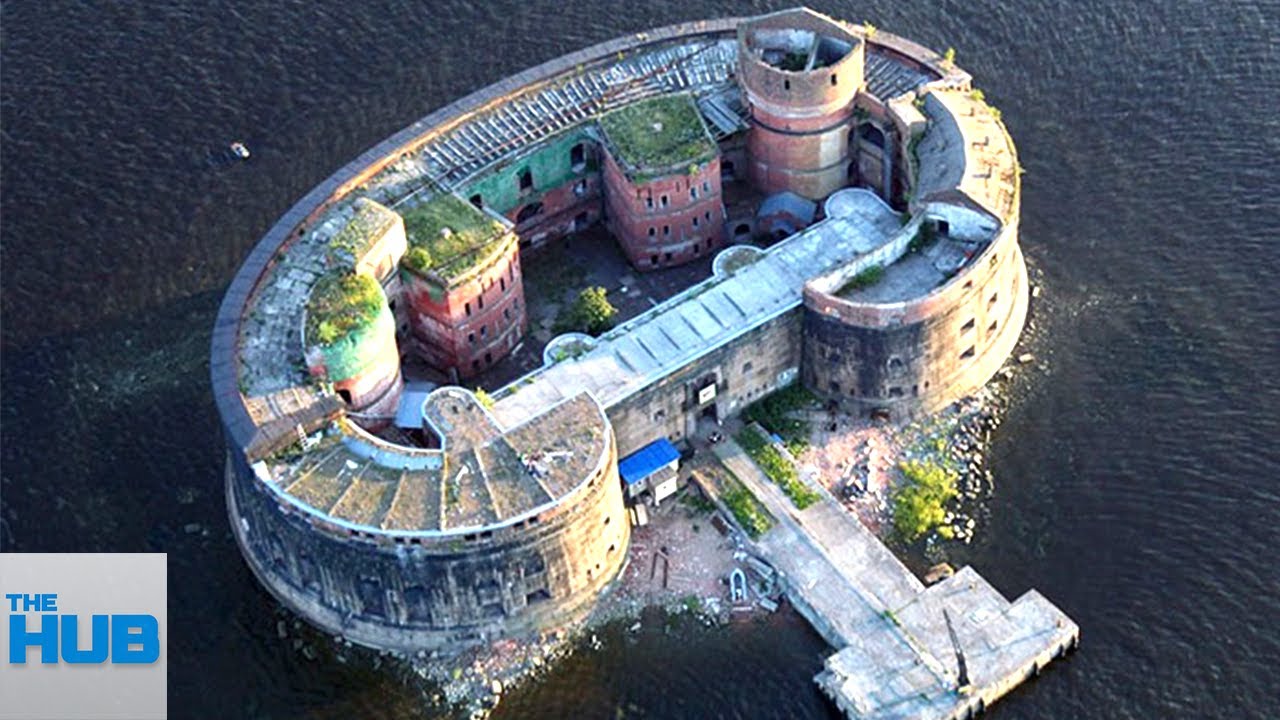
They're often buried hundreds of feet underground, sometimes carved into mountainsides, boasting their own independent power grids, water supplies, and enough provisions to last a small army for years. Why? Because losing the data stored within could mean economic collapse, or worse, the complete disruption of modern society. No pressure.
The Layers of Crazy Security
What does "most protected" actually mean? It's not just a fancy lock and key, my friend. We're talking about a symphony of security measures that would put any spy movie to shame.
Firstly, there's the physical stuff: massive perimeter walls, often miles from civilization, barbed wire that could probably deter a tank, motion sensors that detect a whisper, and CCTV cameras covering every single inch – probably with AI monitoring for suspicious squirrels.
Then there are the humans. Elite, highly trained security personnel, often ex-military, patrolling with serious intent. And probably more biometric scanners than you'd find at a secret villain's lair – iris scans, fingerprint scans, maybe even a "scan your soul" kind of thing before you get past the first few doors.
But wait, there's more! The digital fortress protecting the physical. We're talking firewalls so complex they make quantum physics look like addition. Encryption that would take a supercomputer millennia to crack. And alarm systems that don't just 'ring,' they probably summon a drone army and automatically notify three different global intelligence agencies.
Picture pressure plates, seismic sensors, electromagnetic field detectors, and maybe even a few laser grids that you'd see in an action movie. Because why not? If you're going to protect the most important stuff, you might as well go full Hollywood.
The Stakes Are Sky-High
Why go to all this ridiculous, mind-boggling effort? Because what's inside is often irreplaceable. Think about it.

A data center holds literally trillions of dollars in economic value and the operational brain of countless businesses. A global seed vault? That's the backup hard drive for all agriculture, should something catastrophic happen. Nuclear command? Well, that one's pretty self-explanatory, right? World peace, no biggie.
It's not just about keeping bad guys out; it's about resilience. These buildings are designed to survive the unthinkable, to keep functioning when everything else goes dark. They are literally the last line of defense for critical aspects of our civilization.
So, the next time you're idly wondering about the world's most protected spots, remember it's not always the grandest palace or the most famous monument.
It's often some unassuming, heavily fortified bunker, hidden deep underground, quietly guarding the very fabric of our modern existence. Pretty wild, huh? Makes you think, doesn't it? About what we truly value enough to protect with such incredible, almost sci-fi levels of security. Now, about that second coffee...