
What Is The Most Economical Electric Heater
You know the drill. It’s a chilly evening, you’re bundled up in your favourite fuzzy socks, perhaps clutching a mug of something warm, but that persistent nip in the air just won’t quit. Your central heating bill is already giving you nightmares, and you just need to warm up this one room without signing away your firstborn to the electricity company. Been there, felt that bone-deep chill that no amount of tea seems to fix. I remember one particularly frosty winter, my home office felt like the North Pole. I swore I could see my breath, and my fingers were so numb I was making more typos than words. Desperate, I dragged out an ancient electric fan heater, switched it on, and watched my smart meter spin like a top-fuel dragster. The room got warm, eventually, but my bank account definitely felt the heat too. That’s when I started my quest: to find the holy grail of warmth – the most economical electric heater. Is it even real? Let’s dive in.
First off, let’s be brutally honest. Electric heating, in general, isn't the cheapest way to warm a space. We all know this deep down, right? But sometimes, it's your only option, or the most practical one for a specific situation. So, if we have to use electricity, what’s a savvy saver like you to do?
The Core Truth About Electric Heaters (Spoiler Alert!)
Here’s where it gets a little ironic. And this is the part where you might want to lean in, because it’s a game-changer for how you think about electric heaters. Ready? Almost all electric heaters are 100% efficient at converting electricity into heat. Yep, you read that right. Whether it's a cheap fan heater, a fancy oil-filled radiator, or a sleek infrared panel, pretty much every watt of electricity they draw gets converted directly into heat. There’s no significant waste in the conversion process itself. Mind blown, right?
Must Read
So, when you see a marketing claim that one electric heater is "more efficient" than another, they're generally not talking about its ability to turn electricity into heat. Because they all do that brilliantly. They're talking about something else entirely, which leads us to our next point…
So, Where Does the "Economical" Part Come In?
If they're all equally good at converting electricity into heat, then the secret to an "economical" electric heater isn't about the heater itself, but about how and where you use it. It's about being smart, strategic, and a little bit ruthless with your heating zones. Think of it less as finding the "most economical heater" and more as finding the most economical way to use an electric heater. You see the subtle but crucial difference there?
The real economy comes down to a few key factors:
- Heating the smallest possible area: Why heat the whole house when you’re only in one room?
- Heating people/objects directly: Sometimes, you just need you to be warm, not the air around you.
- Maintaining temperature efficiently: Once warm, keeping it warm without constant power surges.
- Smart controls: Thermostats and timers are your best friends.
The Contenders: Who Wins (and How)
Let's look at the popular types and see how they stack up in the "economical use" game:
1. Oil-Filled Radiant Heaters:
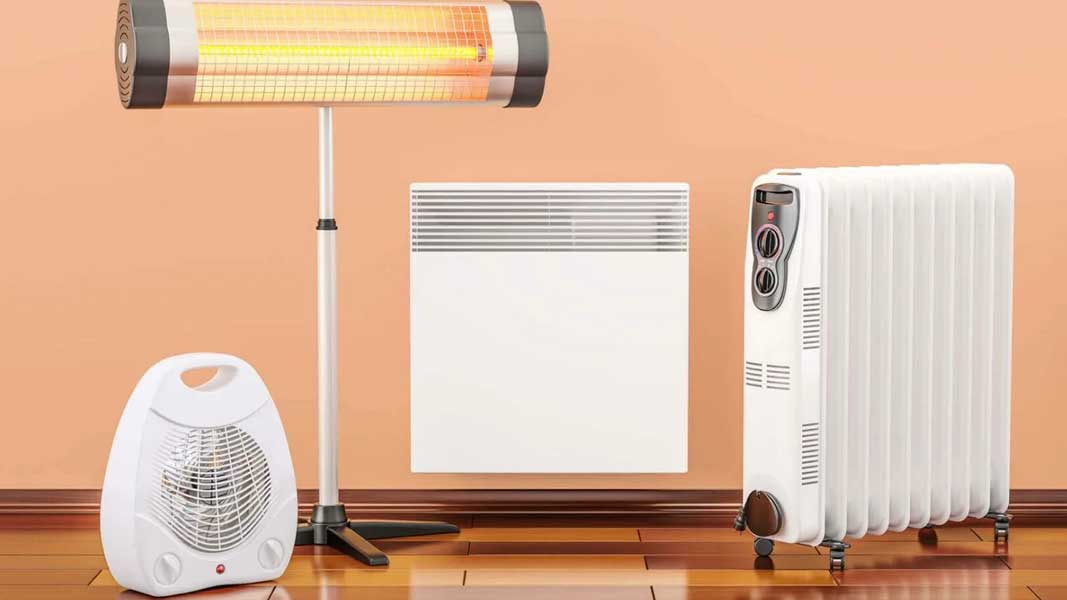
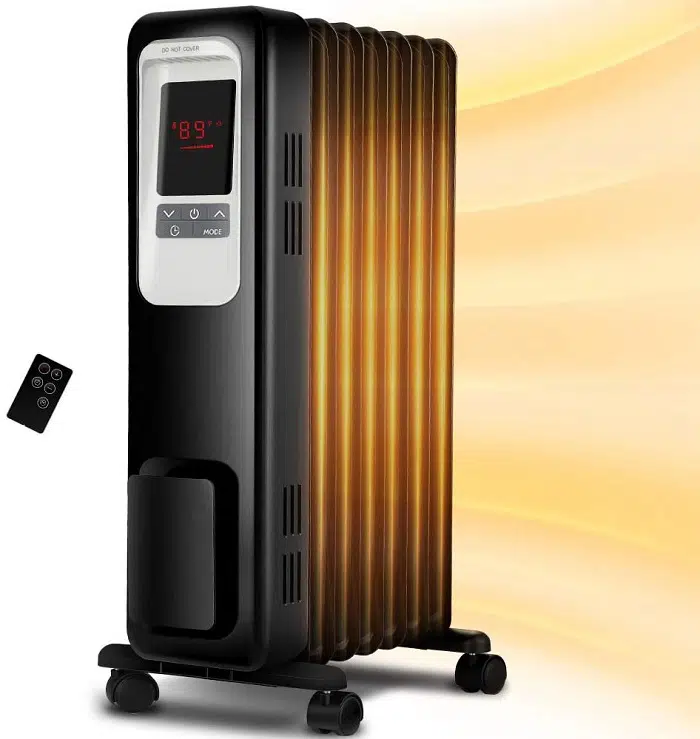
These are the quiet, often ponderous beasts that slowly radiate heat. They take a while to warm up, but once they do, they stay warm for a bit even after they've cycled off. This makes them good for maintaining heat in a well-insulated room once it's already reached a comfortable temperature. They're not great for a quick blast, but if you want to keep a specific room consistently cozy without huge power spikes, they're a solid contender. Think of them as the steady, reliable tortoise of the heater world.
2. Ceramic or Fan Heaters:
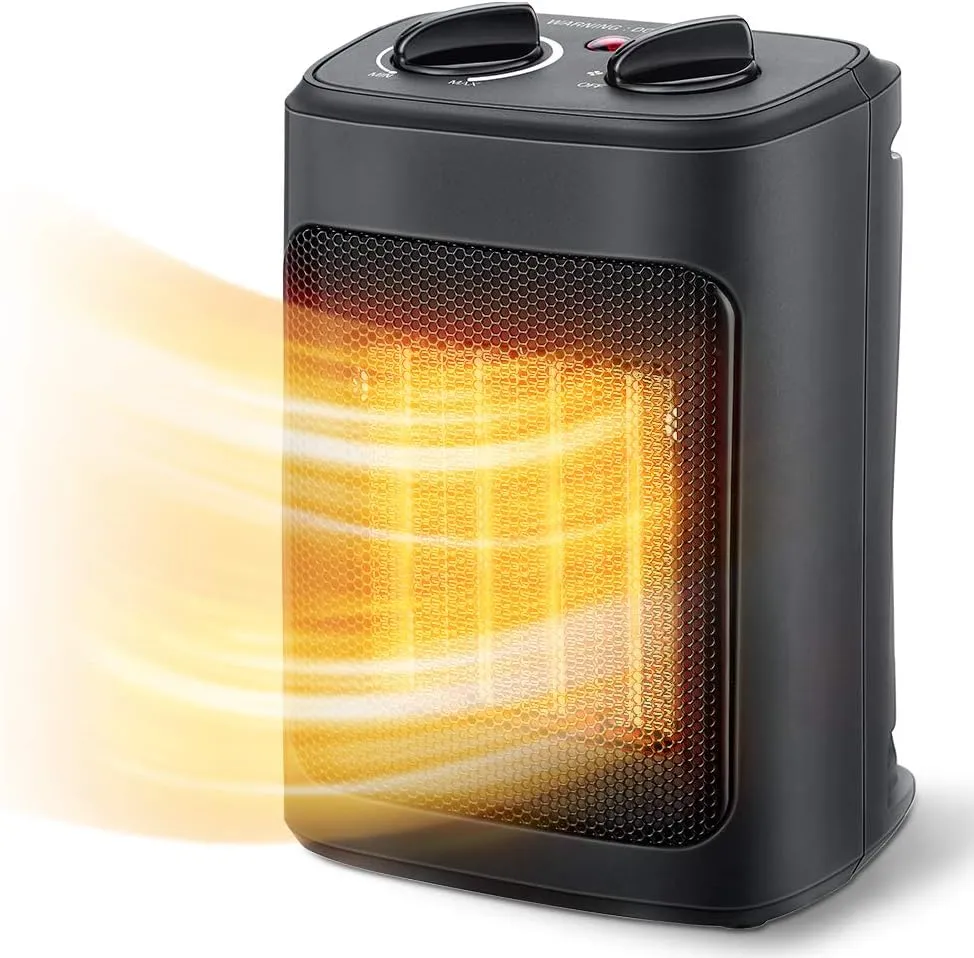
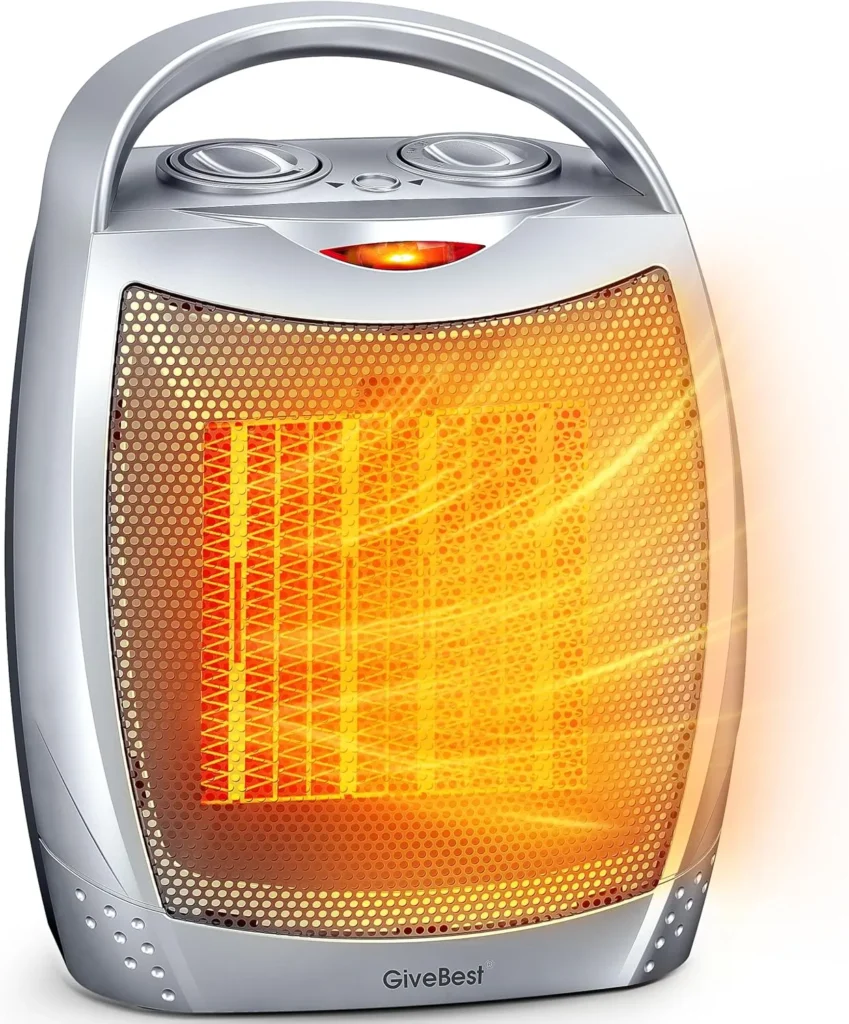
These are your instant gratification heaters. They blow out hot air immediately, making them fantastic for quickly warming a small space or directly targeting a person. Need to warm your feet under your desk? Boom, fan heater. They're good for short bursts of heat. The downside? They tend to make noise, and they're constantly drawing power to blow that hot air. So, economical if you use them for short, targeted periods, but not for sustained, all-day heating of a larger area.
3. Infrared Heaters:
![The Most Efficient Electric Heater in 2024 [Energy Saving]](https://www.electricrate.com/wp-content/uploads/2023/05/cheap-space-heaters-energy-efficient.jpg)
Ah, the sunbeam in a box! Infrared heaters work by heating objects and people directly, much like the sun's rays. They don't heat the air around you much. This is a huge advantage for economy if you're in a larger, drafty, or poorly insulated room and just need YOU to be warm. You feel the warmth instantly, even if the air temperature hasn't risen. For personal comfort without trying to heat an entire barn, these can be surprisingly economical. You’re literally warming yourself, not the atmosphere.
4. Convection Heaters (Panel Heaters):
These often sleek, wall-mounted or portable panels heat the air, which then rises, creating a convection current that warms the room. They're usually silent and provide a more even heat distribution than fan heaters. They're good for zone heating a dedicated room that you want to keep warm over a longer period, similar to oil-filled but often with a faster response. Again, great for a room, not so much for a whole house.
The Real MVP: Smart Usage
So, after all that, what truly is the most economical electric heater? The answer isn't a specific brand or type, folks. It's the one you use smartly. It’s the heater that:
- Is appropriately sized for the space you need to warm.
- Has a reliable thermostat, so it turns off when the desired temperature is reached.
- Is used in conjunction with timers, so it only operates when you need it.
- Heats YOU or your immediate space, rather than trying to warm up the entire house's worth of air.
- Is placed in a room that's reasonably insulated to prevent heat loss.
Ultimately, whether you go for the steady warmth of an oil-filled radiator, the instant blast of a ceramic fan heater, or the direct hug of an infrared unit, the biggest saving comes from understanding your heating needs and matching the right tool to the job. Don't heat an empty room, don't blast heat to the ceiling, and always use that thermostat! That’s where your wallet will truly feel the warmth.
Stay cozy, friends, and keep those bills in check!