
What Is The Ideal Temperature For Humans
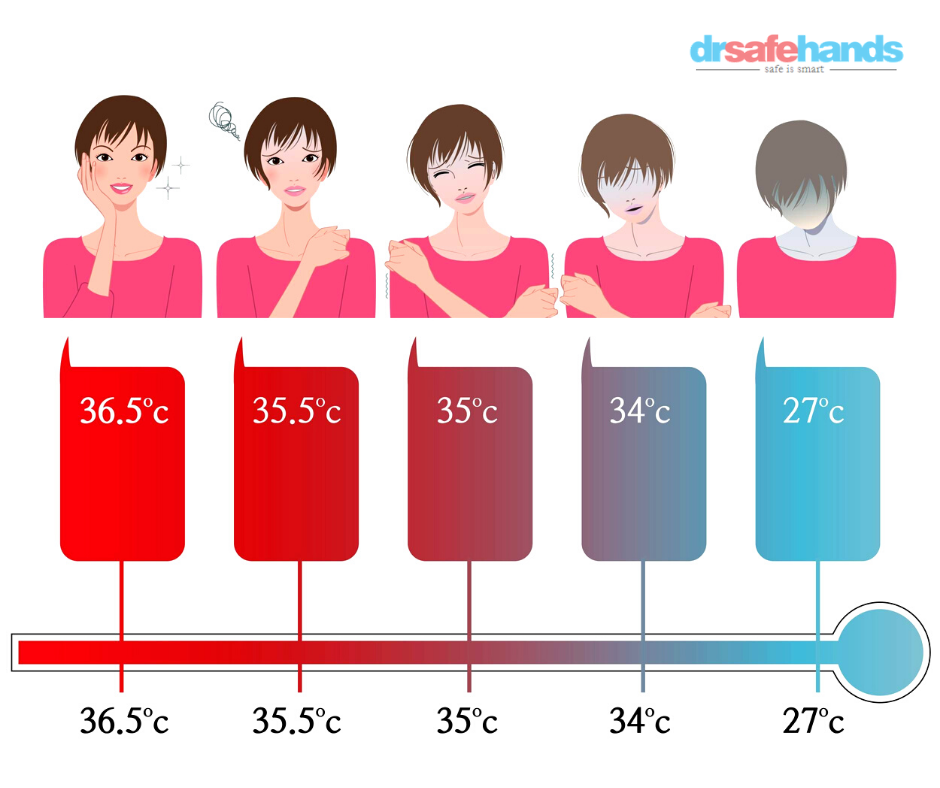
Ever walked into a room and instantly felt a sigh of relief because the temperature was just… right? Or perhaps you’ve shivered through a meeting or sweated through a night, wishing you could hit that elusive sweet spot? We humans are remarkably resilient, but there's no denying that our environment's temperature plays a huge role in our daily comfort, mood, and even our health. It's a universal experience, and delving into what constitutes the ideal temperature for humans isn't just a quirky thought experiment; it's a fascinating journey into our own biology and our interaction with the world around us. Let's peel back the layers and discover why finding that perfect warmth or cool is more significant than you might think!
The core purpose of exploring our ideal temperature is rooted in optimizing our well-being. When we're thermally comfortable, our bodies aren't expending extra energy trying to heat up or cool down, leaving more resources for thinking, moving, and focusing. This translates directly into benefits like enhanced productivity, better sleep quality, and even improved mood. Imagine a workplace where everyone feels just right – fewer distractions, more concentration. Think about how much better you sleep when your bedroom isn't too stuffy or too chilly. Beyond comfort, understanding our thermal needs is crucial for health, helping us avoid the risks of heatstroke or hypothermia and ensuring our internal systems operate efficiently. It's about living in harmony with our environment, rather than constantly battling it.
This concept isn't just for scientists in labs; it has practical applications everywhere. In education, biology classes discuss homeostasis, the body's incredible ability to maintain a stable internal temperature, linking it directly to external conditions. Environmental science explores how climate change impacts our comfort zones and what future "ideal" might look like. In daily life, we encounter this constantly: setting your home thermostat, choosing what clothes to wear, or even deciding whether to open a window. Architects and urban planners use principles of thermal comfort to design buildings and public spaces that naturally stay cooler in summer and warmer in winter, using less energy and creating more pleasant environments for everyone. It’s about building smarter, living better.
Must Read
So, how can you explore your own ideal temperature? It's simpler than you think! Start by becoming a comfort detective. Pay attention to how different temperatures make you feel – not just hot or cold, but truly comfortable, alert, or drowsy. Experiment with your thermostat, adjusting it a degree or two and noting the difference. Try different clothing layers, even indoors. You might discover that what you thought was ideal was actually a bit off! Consider factors beyond just air temperature, like humidity or air movement from a fan; these play a huge role in how we perceive warmth. A simple, practical tip: when in doubt, remember that it's often easier to warm up a bit (with a blanket or a warm drink) than to cool down an overly hot space. By paying closer attention to your body's subtle cues, you can pinpoint your own personal sweet spot and create more comfortable, productive spaces in your life.
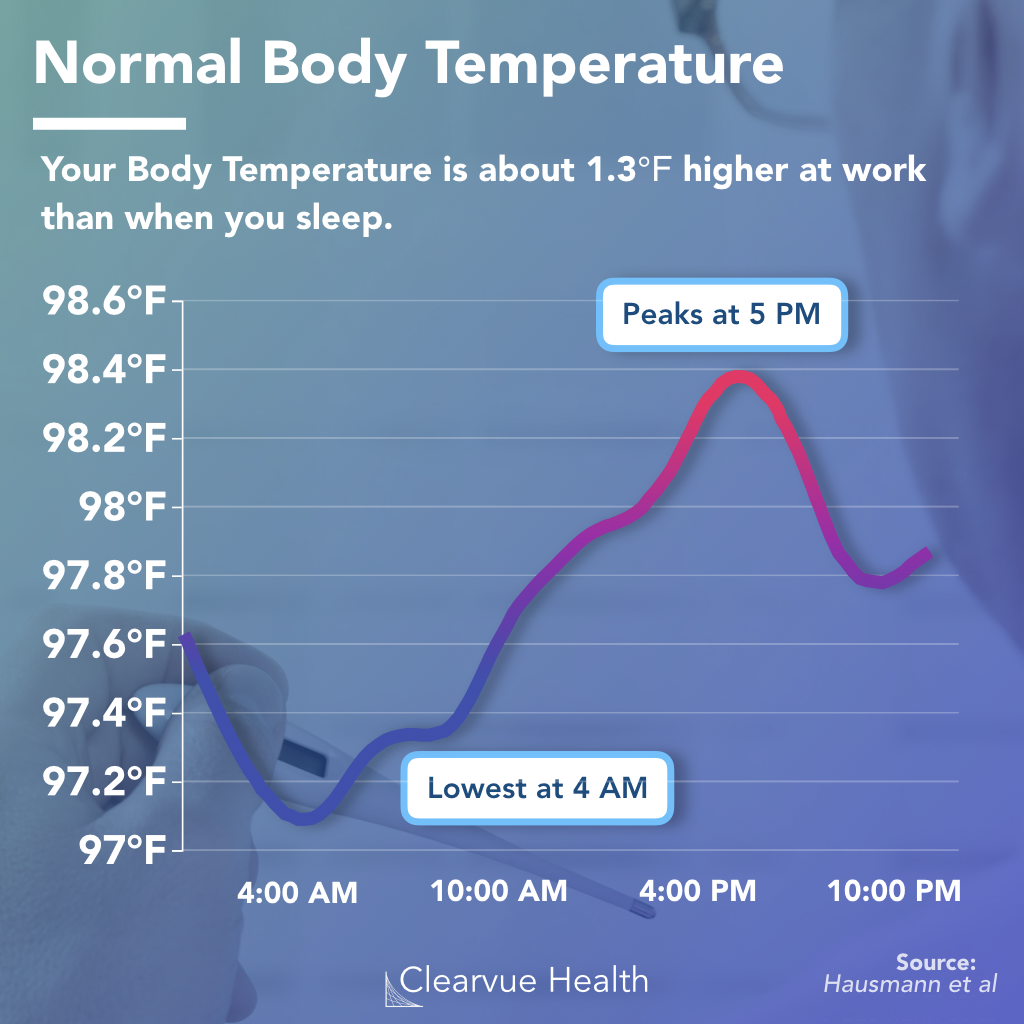
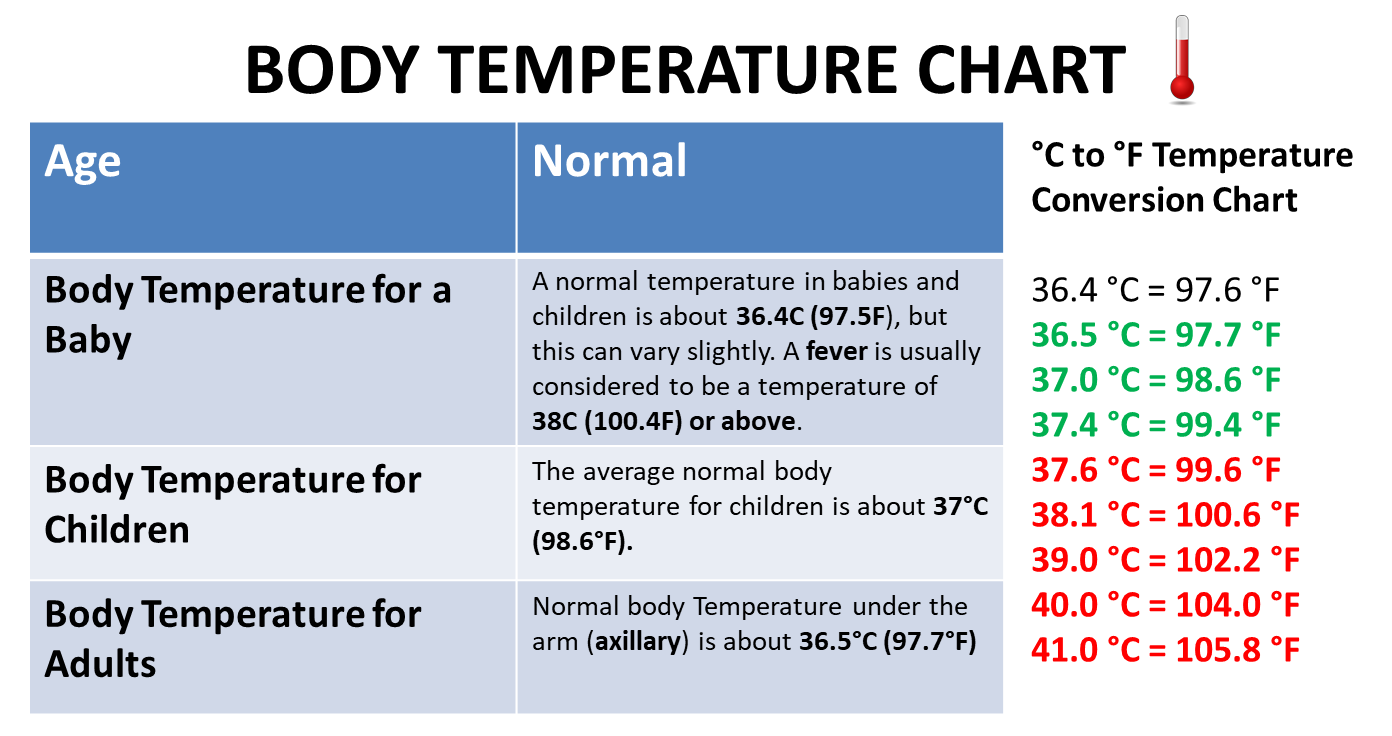
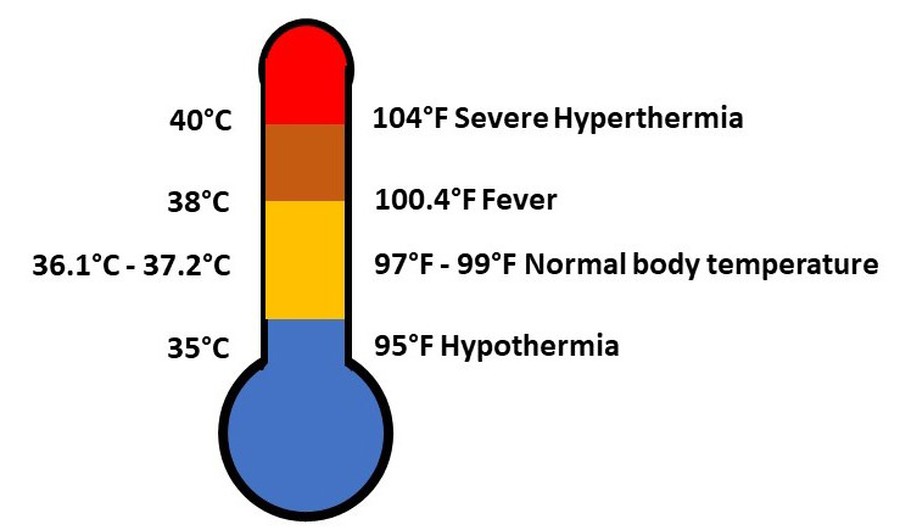
![The Perfect Temperature [infographic] - VHL in 2021 | Infographic](https://i.pinimg.com/originals/c4/c4/d9/c4c4d955f4bfa637a13e2da3bf7ccf7f.jpg)