What Is The Effect Of Carbon Monoxide Poisoning
Ever found yourself pondering the hidden mechanics of our world, even the not-so-obvious ones that impact our health and safety? There’s a fascinating, albeit serious, side to understanding things like invisible gases that share our living spaces. One such silent, yet incredibly important, topic is carbon monoxide, often called the "silent killer." Learning about its effects isn't just a grim necessity; it’s an exercise in curiosity about how subtle environmental factors can deeply influence our biology, and a vital step towards safeguarding ourselves and our loved ones.
So, what exactly happens when this invisible intruder makes its way into our bodies? The purpose of understanding carbon monoxide poisoning isn't to scare, but to empower. Its primary benefit lies in prevention. Carbon monoxide (CO) is a gas that you can't see, smell, or taste. When inhaled, it quietly does something remarkable and terrifying: it essentially hijacks our red blood cells. Our blood cells are designed to carry oxygen, but CO has a much stronger affinity for hemoglobin – the protein that transports oxygen – than oxygen itself. So, when CO is present, it binds to hemoglobin, forming carboxyhemoglobin, and effectively prevents oxygen from reaching our vital organs and tissues. It’s like a critical delivery service suddenly switching to carrying empty boxes instead of life-sustaining packages.
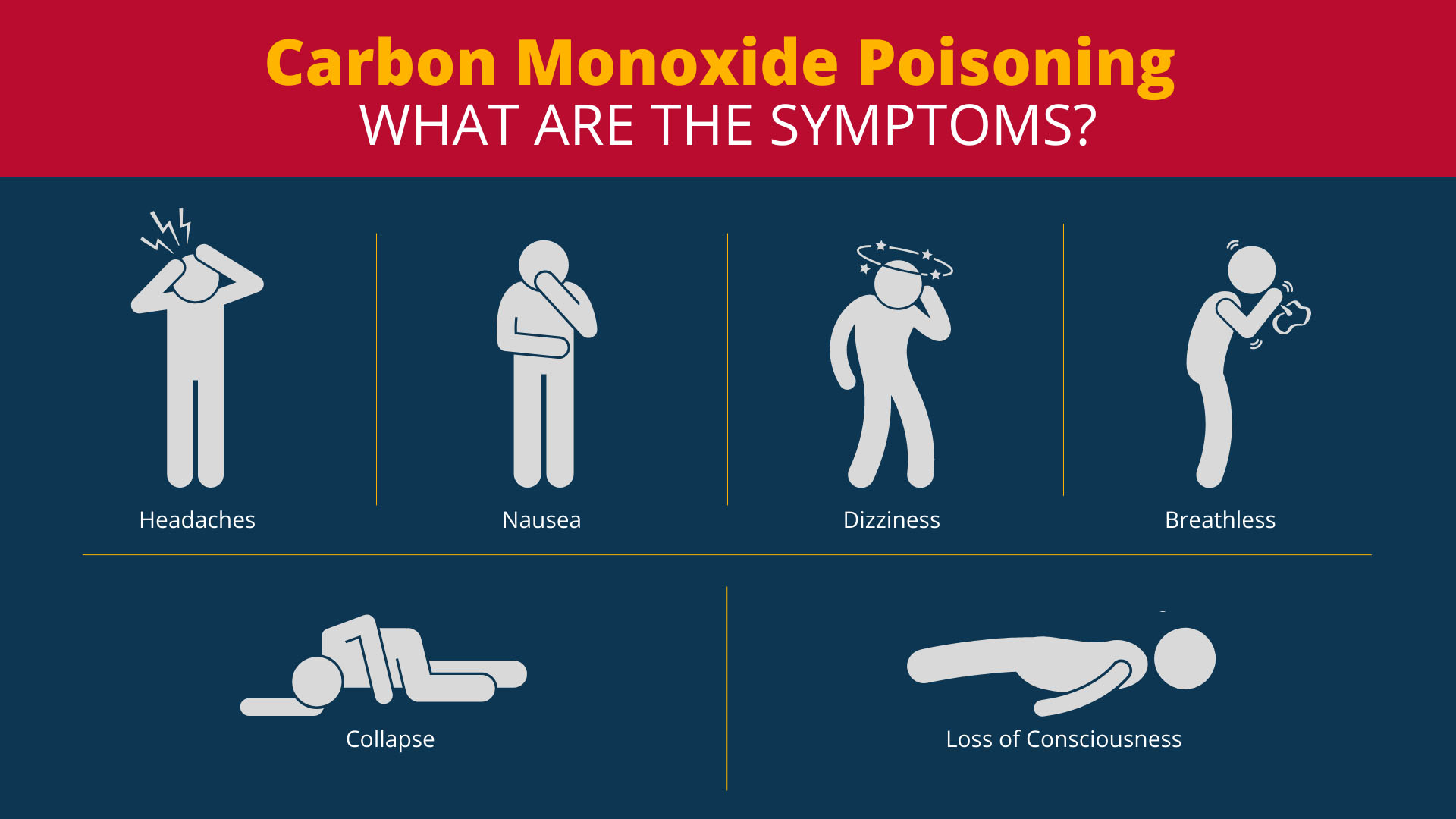
The effects can be insidious because they often mimic common ailments. Early symptoms might include a dull headache, dizziness, nausea, or shortness of breath. You might feel fatigued or generally unwell. These are easily mistaken for the flu or simple tiredness. As exposure continues and oxygen deprivation worsens, symptoms escalate to confusion, impaired coordination, vision problems, and even loss of consciousness. Ultimately, prolonged exposure can lead to severe brain damage, heart issues, and tragically, death. The scary part is that because you feel unwell, you might not have the clearheadedness or strength to remove yourself from the source of the gas.
Must Read
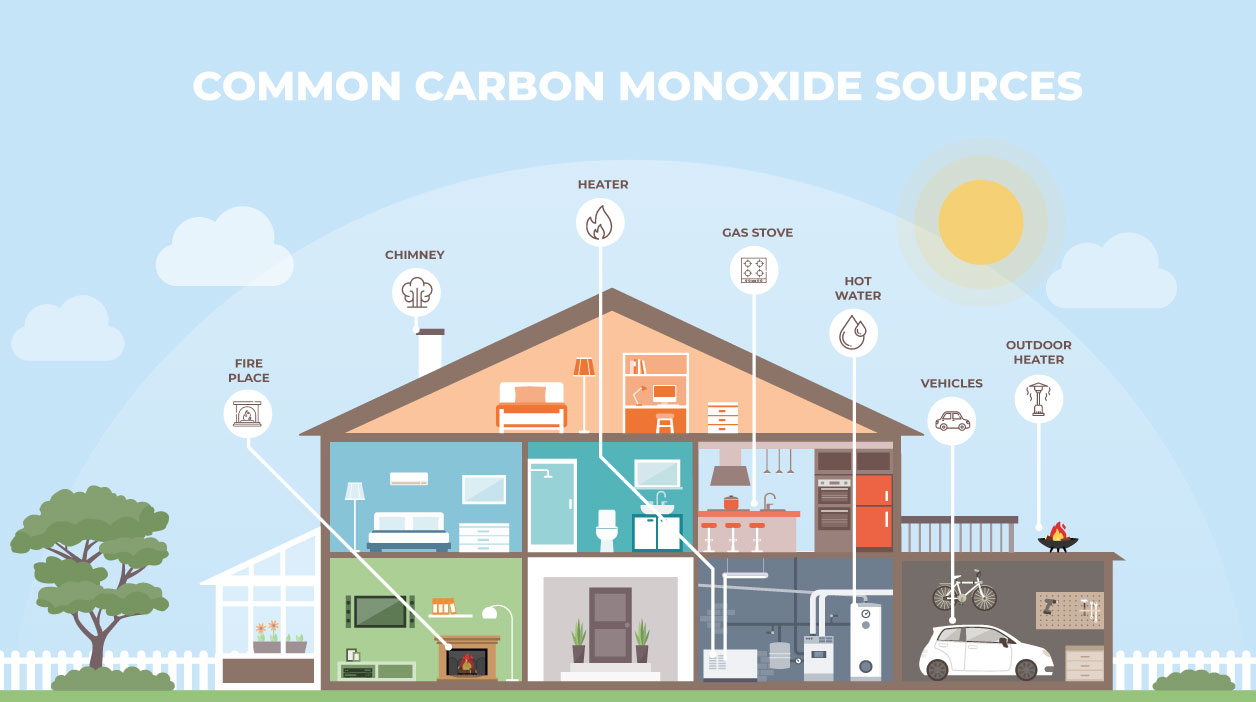
Understanding these effects isn't just for medical professionals; it has immense value in education and daily life. Think of it like learning basic first aid or fire safety – it’s a fundamental piece of knowledge for everyone. In schools, public health campaigns, and community safety workshops, learning about CO poisoning is often integrated, emphasizing the importance of prevention. In daily life, this knowledge informs our choices: it's why we get our furnaces serviced, ensure proper ventilation for gas stoves, and never run a car in an enclosed garage.
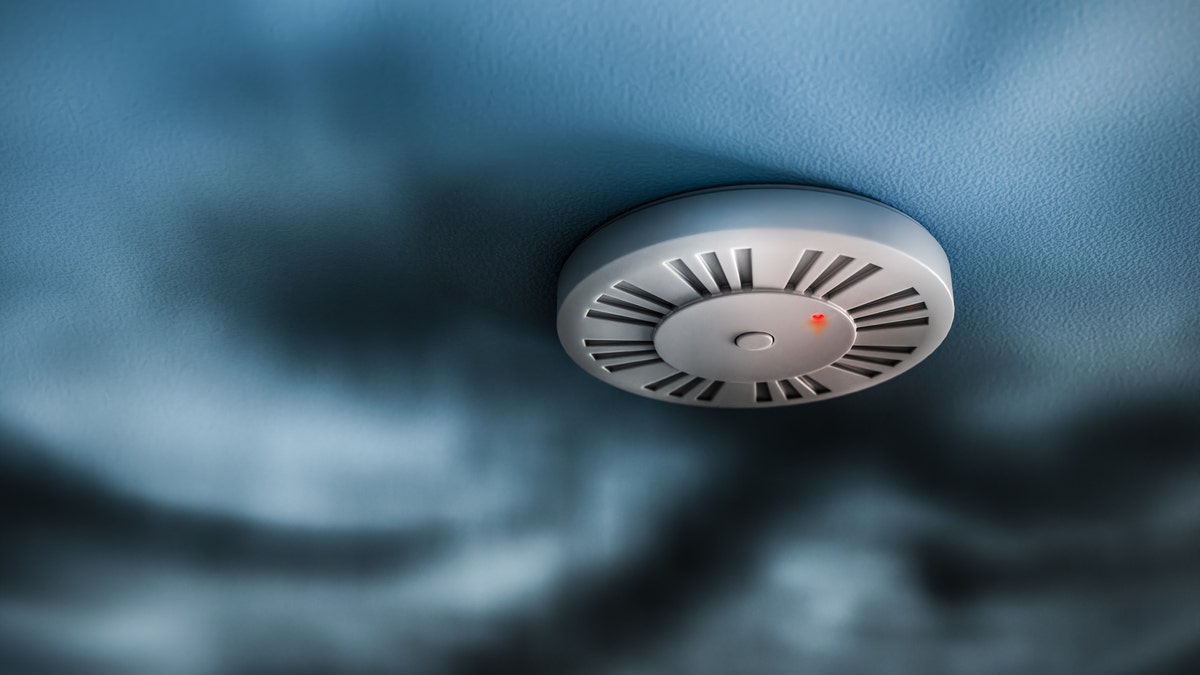
Curious to 'explore' this topic in a practical, safe way? There are simple actions you can take to become an active participant in your own safety net. First and foremost, install carbon monoxide detectors in your home, especially near sleeping areas. These devices are your invisible sentinels, designed to alert you to unsafe CO levels. Second, make it a habit to test your detectors regularly, just like smoke alarms. Third, educate yourself and your family on the symptoms; knowing what to look for can prompt quick action. Finally, ensure all fuel-burning appliances (like gas furnaces, water heaters, and fireplaces) are inspected and maintained annually by a qualified technician. By taking these steps, you’re not just avoiding a danger; you’re engaging with knowledge that empowers you to protect life itself.