What Is The Best Temp To Set Thermostat In Winter

Let's face it, winter can be a real drag. But there's one tiny, yet surprisingly powerful, thing we can control: our thermostat! Figuring out the best temperature to set your thermostat in winter isn't just about comfort; it's about striking the perfect balance between staying cozy and keeping those energy bills from sending you into hibernation. Think of it as a fun little puzzle – a quest for the ideal indoor climate! And who doesn't love a good quest?
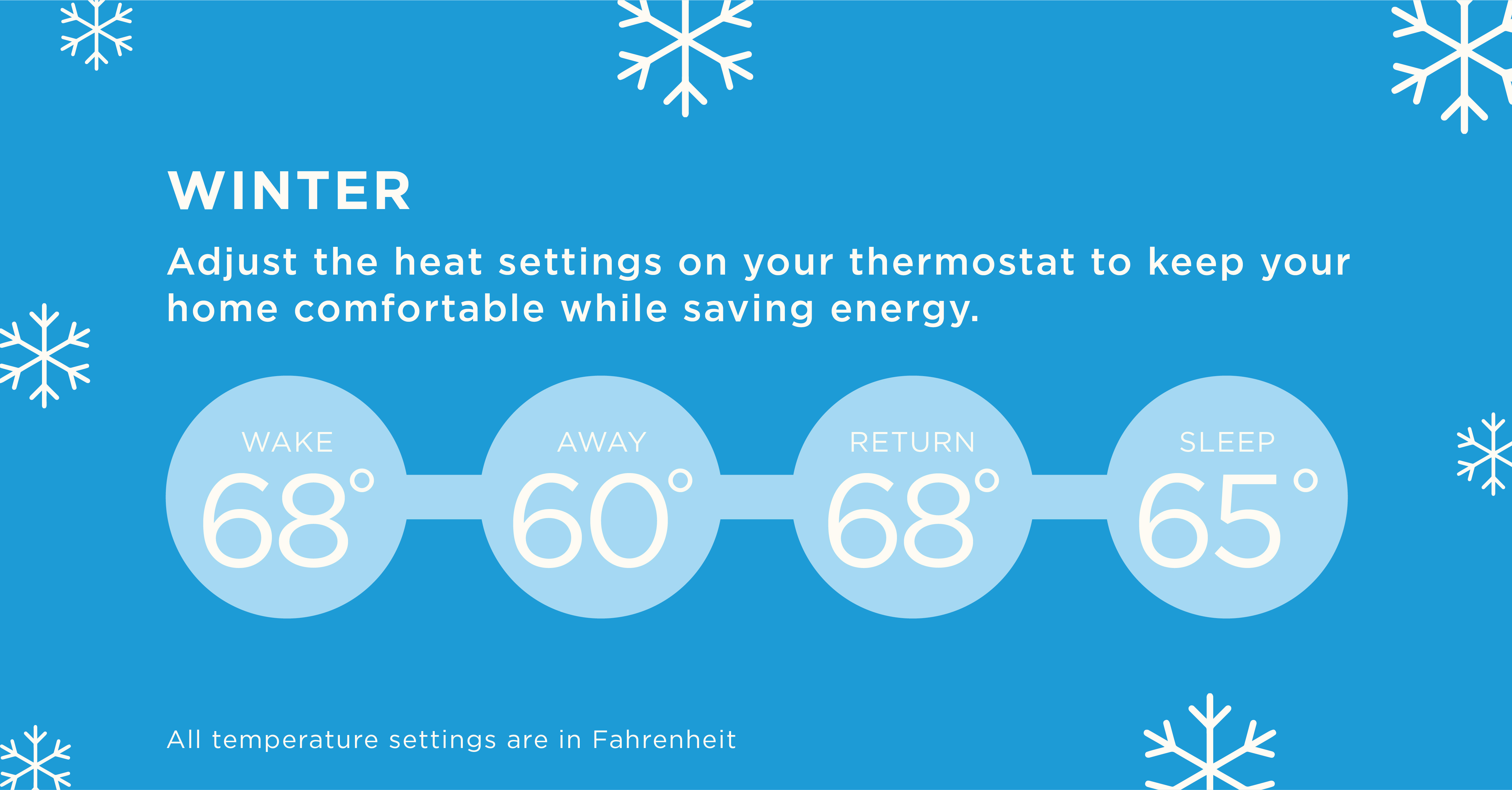
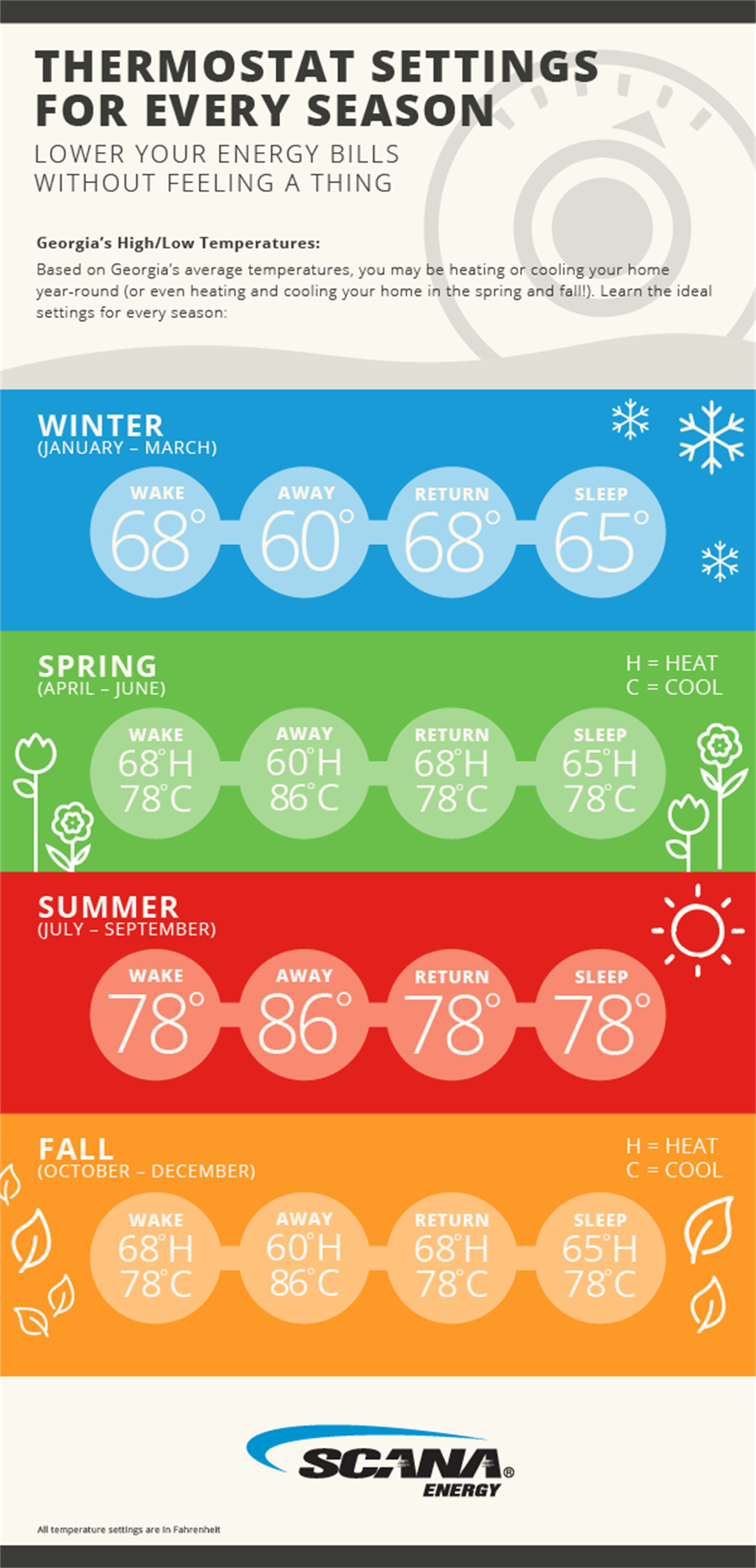
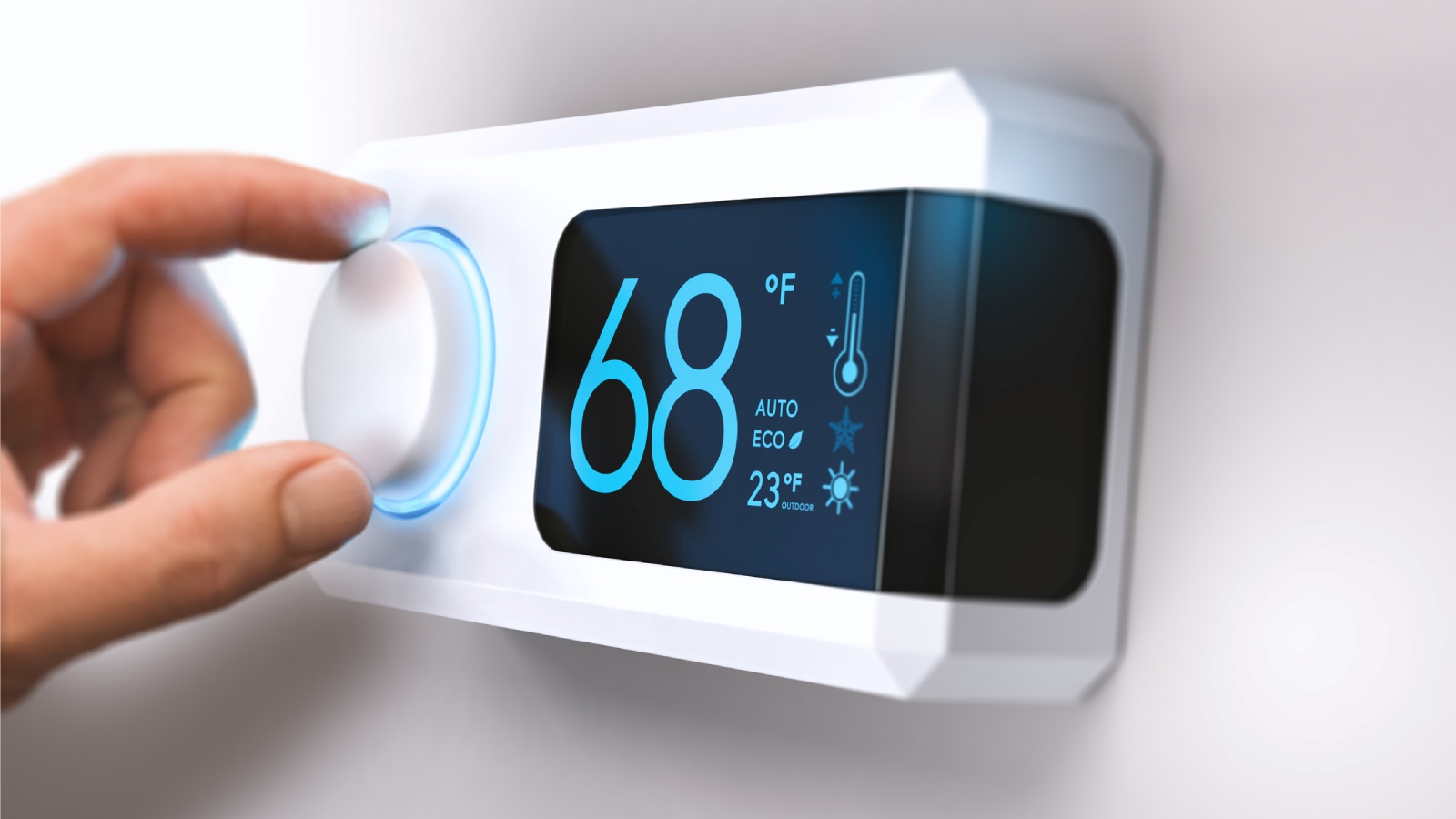
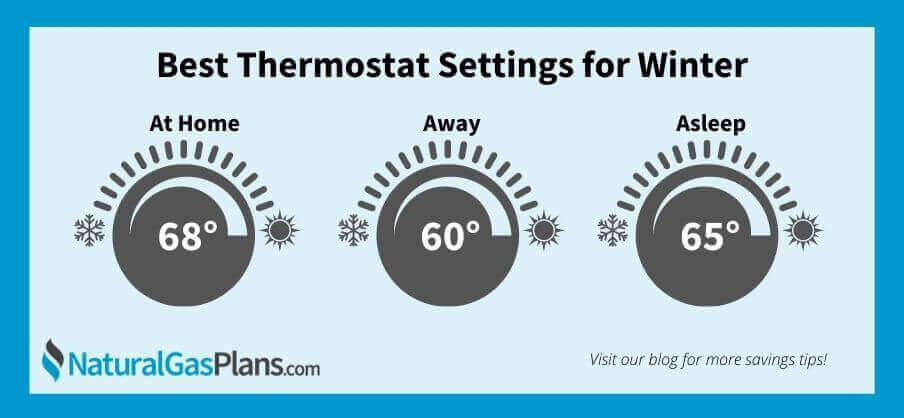
So, what's the magic number? Well, there's no one-size-fits-all answer, but the U.S. Department of Energy suggests aiming for 68°F (20°C) when you're awake and active. Why 68? Because it's generally considered the sweet spot for comfort and energy efficiency. It's warm enough to prevent shivering, but cool enough to avoid wasting energy heating an empty room.
But wait, there's more! One of the biggest benefits of optimizing your thermostat setting is, of course, saving money. Lowering your thermostat by just 7-10 degrees for 8 hours a day can save you as much as 10% on your heating bill. That's money that could be used for holiday gifts, a cozy winter getaway, or even just a few extra lattes to warm you up!
Must Read
Think about it: when you're asleep or away from home, your body temperature naturally drops. There's no need to keep your house at a toasty 72 degrees when no one's around to enjoy it! Consider lowering the thermostat a few degrees at night or when you're out. You can even invest in a programmable thermostat that automatically adjusts the temperature according to your schedule. These smart devices can learn your routine and fine-tune the temperature settings, saving you even more money without sacrificing comfort.
Beyond saving money, maintaining a slightly cooler temperature can also be beneficial for your health. Overheating your home can dry out your skin and sinuses, making you more susceptible to colds and other respiratory infections. A slightly cooler environment can help maintain healthy humidity levels and prevent those pesky winter ailments.
Ultimately, the best temperature is the one that makes you comfortable while being mindful of energy consumption. Experiment with different settings to find what works best for you and your family. Don't be afraid to tweak it based on the weather outside, your activity level, and even your clothing. Layering up with a cozy sweater or blanket can allow you to comfortably lower the thermostat a degree or two without feeling the chill.
So, crank down that thermostat (a little bit!), embrace the cozy side of winter, and enjoy the benefits of a warmer wallet and a healthier home. Happy heating!