
What Is The Best Home Generator

Alright, gather 'round, folks! Coffee's hot, and we're about to dive into one of those topics that feels a bit like adulting, but in a really practical way: home generators. You know, for when the lights go out and suddenly your fancy Wi-Fi router looks like a sad, useless brick. Ever sat in the dark, staring at a dead phone, wondering if you're living in the Stone Age? Yeah, me too.
So, you're probably asking, "What is the best home generator?" And if I'm being super honest, like a true friend, the real answer is… drumroll please… there isn't one. Gasp! I know, anti-climactic, right? But hear me out! It's like asking what the best car is. A sports car is great for speed, but terrible for hauling groceries for a family of six. See? It's all about what's best for you.
Let's break it down, shall we? Because knowledge is power, and also, it keeps your fridge running when the grid decides to take a nap.
Must Read
The Two Big Players: Portable vs. Standby
Think of generators as having two main families. On one side, we've got the portable generators. These are your spunky, go-anywhere types.
They're usually smaller, more affordable, and you can pick them up and move them around. Perfect for tailgating, camping, or just powering a few critical items during an outage. They run on gasoline or sometimes propane. The biggest pro? Cost! You can grab a decent one without selling a kidney. The biggest con? You have to manually start them, plug things in, and refuel them. And they're usually LOUD. Like, "neighbor-hating" loud. Plus, carbon monoxide is a real danger, so they absolutely, positively, must be used outside, far away from windows. Seriously, don't mess with that.
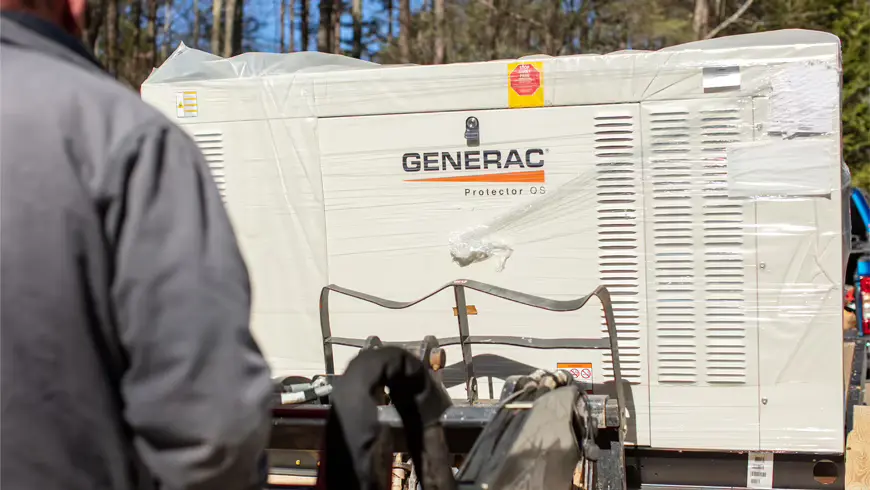
Then, on the other side, we have the majestic standby generators. These are the big kahunas, the Beyoncé of generators.
![Top 10 Best Home Generator [ 2025 ]](https://outdoorguidelines.com/wp-content/uploads/imga-media/4827.jpg)
They're permanently installed outside your home, usually hooked up to your natural gas line or a big propane tank. When the power goes out, they sense it, kick on automatically (usually within seconds!), and power your whole house. Lights, AC, fridge, TV – the works! It's like the power never even left. The biggest pro? Convenience and peace of mind. You literally do nothing. The biggest con? The price tag. These bad boys are a significant investment, both for the unit and for professional installation. Think of it as a fancy insurance policy against dark nights.
What Do You Actually Need to Power?
This is where the rubber meets the road. Before you even look at models, grab a pen and paper. What are your absolute must-haves when the power's out?
- Just the essentials? Think fridge, a few lights, phone chargers, maybe a tiny space heater. A decent portable might do the trick.
- Some comfort? Add the microwave, maybe the TV, and a fan. You're probably looking at a larger portable or a smaller standby.
- Everything? Including the central AC, oven, and all the things that make modern life bearable? You're definitely in standby generator territory, my friend.
Understanding your wattage needs is crucial. Overestimate slightly, but don't go crazy. Who needs to power an entire stadium? Unless you're secretly hosting a concert during an outage, of course.

Fuel for Thought (Pun Intended!)
Generators need fuel, obviously.
- Gasoline: Common for portables. Easy to find, but it degrades over time. You'll need to store it safely and cycle it out.
- Propane: Great for portables and standbys. Storable for longer than gas. Can use those barbecue tanks or a big dedicated tank. Burns cleaner.
- Natural Gas: The dream fuel for standby generators! Plumbed directly to your house, so no refueling ever. Infinite supply (unless the gas lines are affected).
- Diesel: Less common for home use, more for industrial. Fuel stores well, but diesel engines can be pricier.
Consider what's readily available and how much hassle you want with fuel storage and rotation.
Noise and Neighbors: A Crucial Consideration
Remember how I mentioned portables can be loud? Like, really loud? Decibels matter! Some neighborhoods have rules about noise, especially late at night. Standby generators tend to be much quieter, often sounding more like an air conditioner. Your neighbors (and your sanity) will thank you.
Budgeting for Power
Let's face it, money talks.
- Portable generators: Can range from a few hundred bucks to a couple of grand.
- Standby generators: You're looking at several thousand, often upwards of $5,000 to $10,000+, including installation. It's a significant home improvement.
Think of it as an investment. How much is comfort and safety worth to you during a multi-day outage?
So, What's Your Best?
Ultimately, the "best" home generator is the one that fits your specific needs, budget, and peace-of-mind level.

Are you looking for a quick fix for the occasional flicker, or are you preparing for serious, long-term outages where you want life to go on as normal?
Do your homework, figure out your wattage, think about your fuel, and consider your budget. Maybe even chat with an electrician if you're leaning towards a standby unit. They can help you size it perfectly.
Because when the next storm hits, and everyone else is scrambling for candles, you'll be sitting pretty, maybe even watching a movie. And that, my friend, is a pretty sweet feeling. Now, go forth and be powered!