
What Is The Best Heat Exchanger
Okay, picture this: it’s a chilly morning, you’ve just made yourself the perfect cup of tea or coffee – steaming hot, just how you like it. You cradle the mug in your hands, feeling that glorious warmth seep into your fingers, chasing away the last vestiges of sleep. Ahhh, bliss.
But then, you get distracted for, like, five minutes. Maybe your pet does something adorable, or your phone pings. You come back, take another sip, and… ugh. It’s barely lukewarm. The heat, that beautiful, hand-warming heat, has vanished into thin air. Or, more accurately, into your hands and the surrounding room. (Yeah, you know the feeling!)
What just happened there? That, my friend, was a very simple, albeit inefficient, heat exchanger in action. Your mug transferred heat from the hot liquid to your colder hands and the even colder room. We do this kind of heat transfer all the time, often without even thinking about it. But what if you needed to do it on a massive scale? Or super precisely? Or incredibly quickly?
Must Read
That’s where the unsung heroes of the engineering world come in: heat exchangers. These are devices specifically designed to efficiently transfer heat between two or more fluids at different temperatures, without them necessarily mixing. Think about it – your car’s radiator, your fridge, your air conditioner, even the power station making your electricity, they all rely on these clever contraptions.
So, What Is The Best Heat Exchanger?
Here’s the big reveal, and I’m going to give you a bit of a spoiler alert right off the bat: there isn't one. Seriously. It’s like asking, “What’s the best kind of food?” or “What’s the best car?” The answer is always, invariably, “It depends!”
But don't despair! While there's no single champion, we can definitely talk about what makes a heat exchanger the best choice for a specific job. Because, let’s be real, who wants their industrial chemicals to get cold too slowly, or their home to feel like a sauna when it should be an icebox?
Let’s peek at a few of the contenders, shall we?
First up, we have the venerable Shell and Tube Heat Exchanger. This is the granddaddy, the workhorse of the industrial world. Imagine a big cylinder (the shell) with a bunch of smaller tubes running through it. One fluid flows through the tubes, the other flows around the tubes within the shell, and voilà! Heat gets swapped. They're robust, can handle high pressures and temperatures, and are pretty reliable. Great for big, heavy-duty applications where space isn’t a huge issue, and you need something tough.
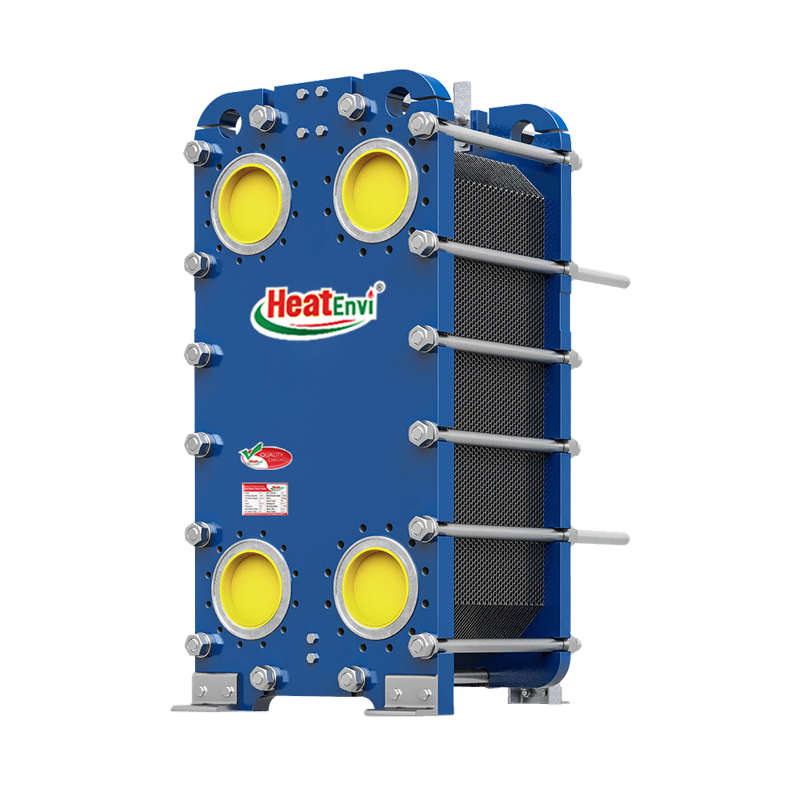
Then there are Plate Heat Exchangers. These guys are the sleek, compact athletes of the heat exchange world. They consist of a series of thin, corrugated plates pressed together, with fluids flowing through alternating channels. Because of their large surface area and turbulent flow, they’re incredibly efficient and take up much less space than a shell and tube exchanger for the same capacity. They’re fantastic for food and beverage processing, HVAC, and situations where you need to save space or easily clean the unit. But they might not handle super high pressures or fluids with lots of gunk in them as well as their robust cousin.
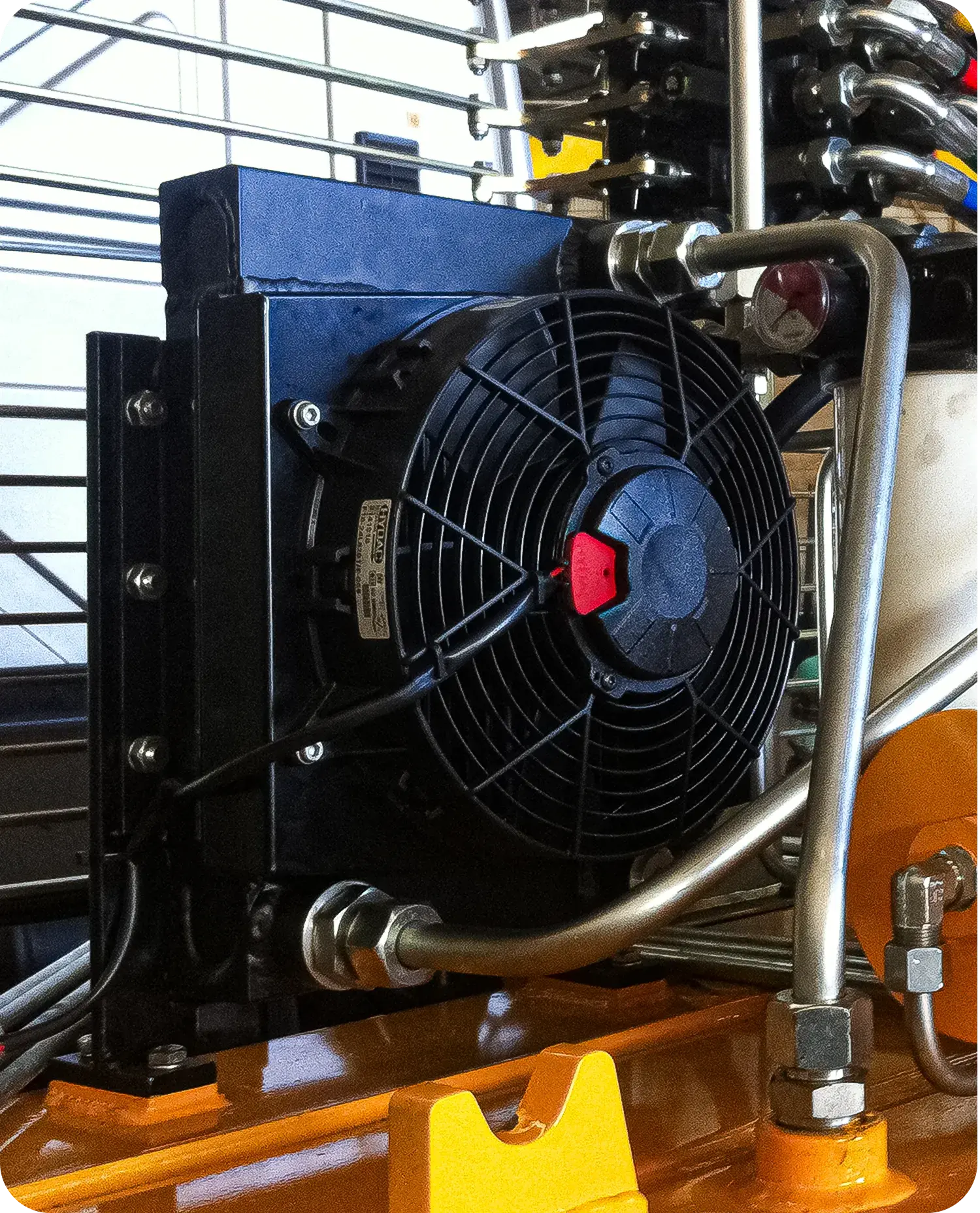
You also have Fin and Tube Heat Exchangers, which you've probably seen everywhere – think car radiators or the coils in your air conditioner. They have tubes, often with fins attached, to maximize the surface area for heat transfer, usually between a liquid and a gas (like air). Super common, super effective for their specific roles.
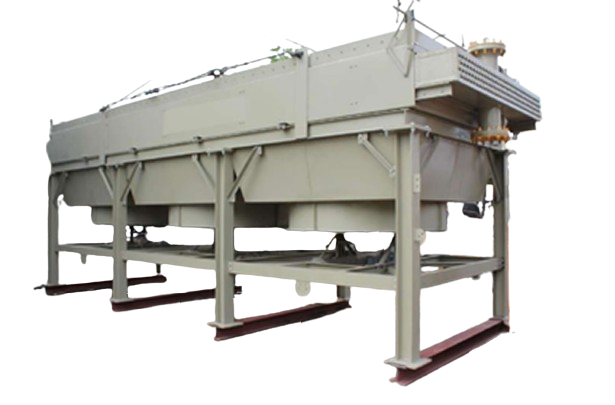
And let’s not forget Air-Cooled Heat Exchangers, which use ambient air to cool process fluids, perfect when water isn't readily available or you want to avoid expensive cooling towers. They're often massive, sprawling affairs that look like giant fans on top of huge radiator coils. (Impressive, right?)
So, What Makes One “Best” For Your Needs?
It boils down to a few critical questions, and this is where the puzzle gets fun (or frustrating, depending on your perspective!).
1. What fluids are you exchanging heat between? Is it liquid-liquid, liquid-gas, gas-gas? The properties of these fluids (viscosity, corrosiveness, flammability) heavily influence the design.
2. What are the temperature and pressure requirements? Some exchangers just can't hack extreme conditions.
3. How much space do you have? If you’re cramped, a plate exchanger is probably your best bet.
4. How efficient does it need to be? Some applications demand ultra-high efficiency, others can be a bit more relaxed.

5. What’s your budget? Not just the initial purchase, but also maintenance, cleaning, and operational costs (like pumping power).
6. How clean do your fluids need to be? If one fluid is prone to fouling (leaving deposits), you need an exchanger that’s easy to clean or designed to handle it.
Ultimately, the "best" heat exchanger is the one that perfectly balances all these factors for its specific application. It's about finding the sweet spot between efficiency, cost, size, and durability.
So, the next time you sip that lukewarm coffee, spare a thought for the mighty heat exchanger. It might not be glamorous, but it’s doing some serious heavy lifting (or heat-moving) in just about every corner of our modern world. And while there’s no single “best,” there’s definitely a perfect one for every unique challenge. Pretty cool, huh? (Or hot, as the case may be!)