
What Is The Best Coaxial Cable
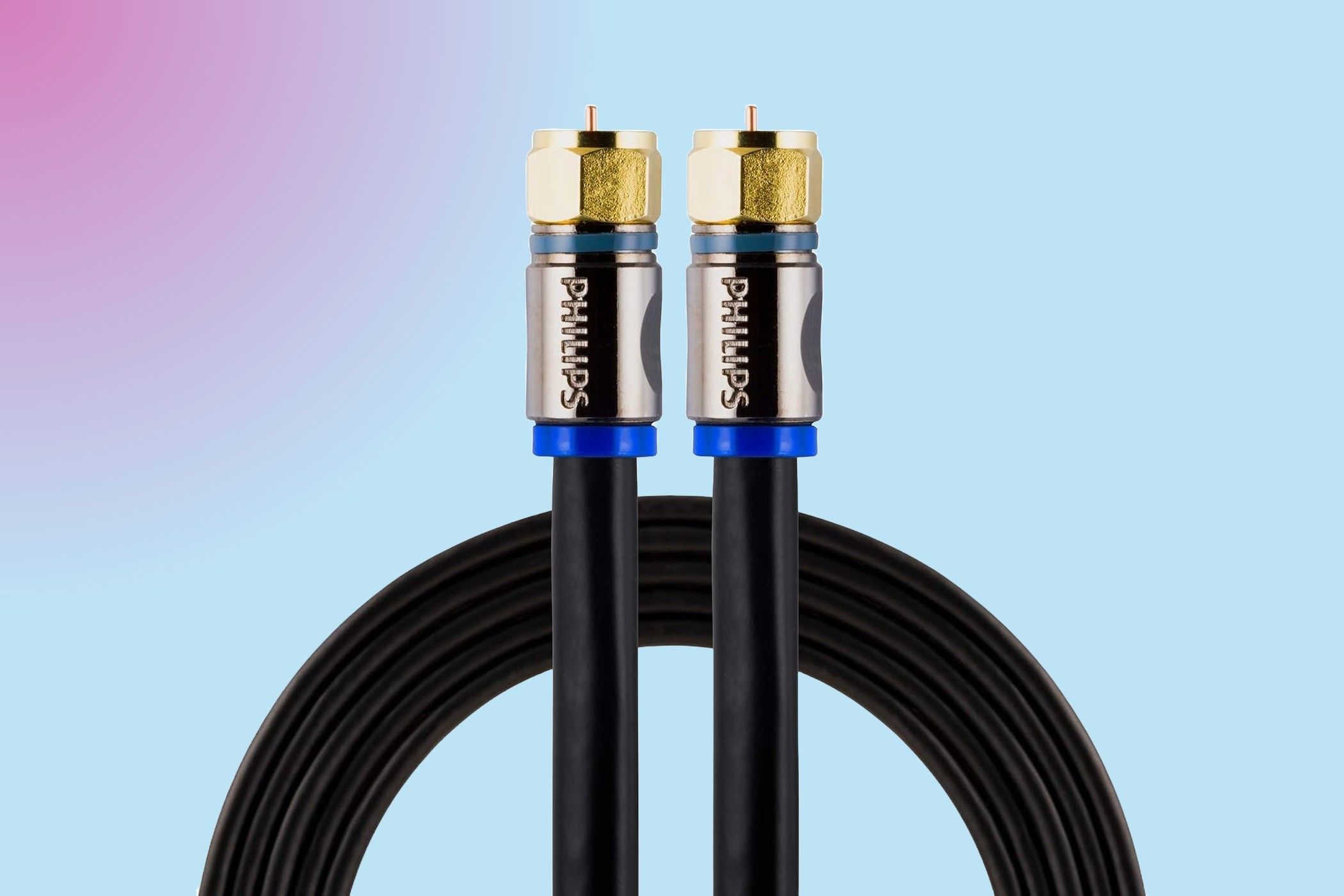
Alright, let's talk coaxial cable. Sounds thrilling, right? Okay, maybe not at first glance. But trust me, this unassuming wire is actually pretty cool. Think of it as the unsung hero of your home entertainment system, the plumbing of your digital world! So, what is the best coaxial cable, and why should you even care?
Basically, a coaxial cable (or coax for short) is that round cable you probably use for your cable TV, internet, or maybe even an old-school antenna. It's designed to carry signals with minimal loss, which is super important if you want a clear picture or a fast internet connection. Imagine trying to stream your favorite show with a leaky pipe – that’s what happens with a bad coax cable!
Why Bother with "The Best"?
Now, you might be thinking, "Hey, a cable's a cable, right?" Nope! Just like you wouldn't fill your gas tank with just any old liquid, you shouldn't use just any old coax cable. A good coax cable can make a noticeable difference. Think of it like this: a cheap cable is like listening to music through a tin can, while a high-quality cable is like listening on a pair of awesome headphones. Which would you prefer?
Must Read
The "best" coax cable boils down to a few things: signal quality, durability, and shielding. Poor shielding means more interference, which translates to a fuzzy picture, slow internet, or even dropped connections. Nobody wants that!
Decoding the Coax Alphabet Soup: RG-Who?
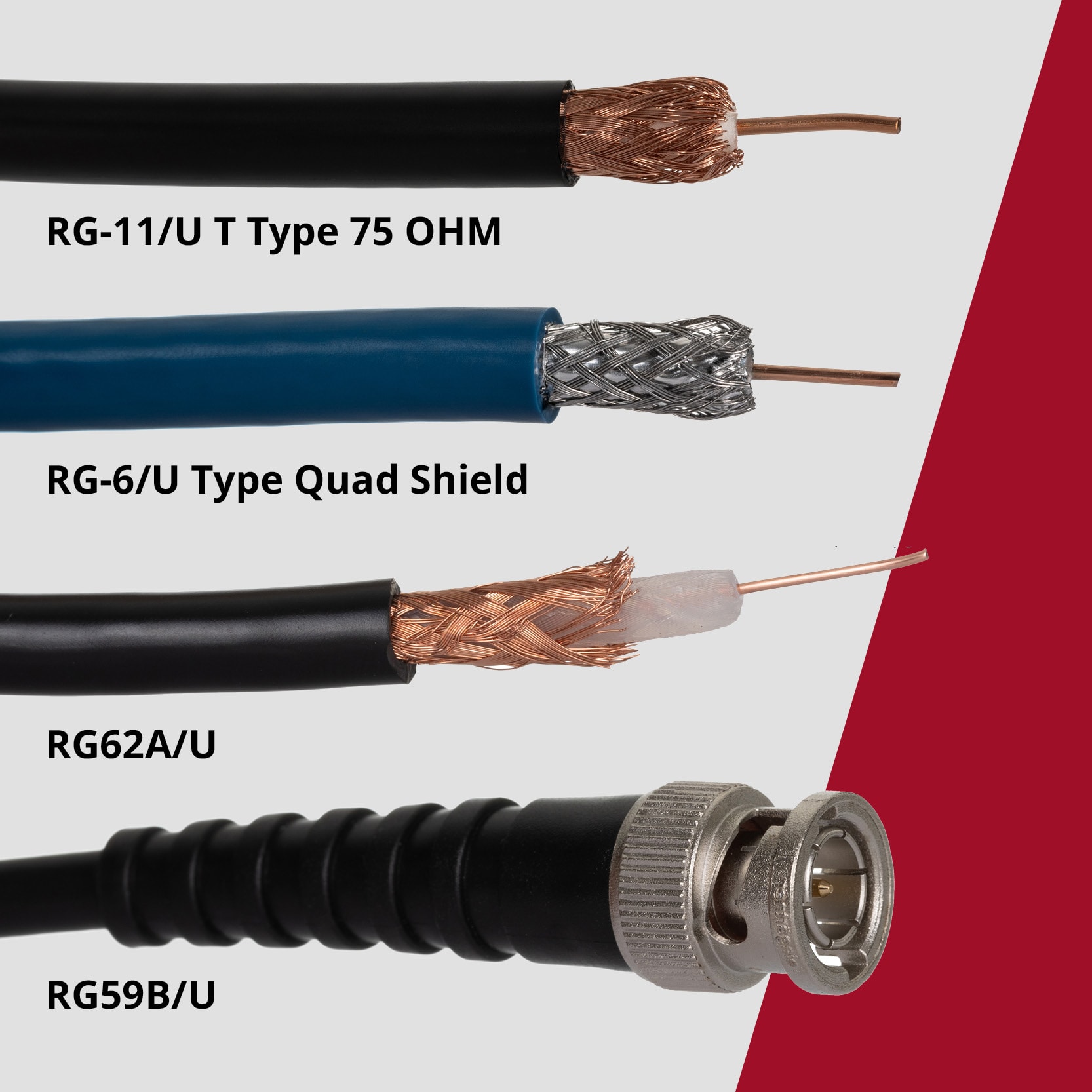
You've probably seen numbers like RG-6, RG-59, or RG-11 slapped on coax cables. What does it all mean? Well, "RG" stands for "Radio Grade," and the number indicates the cable's characteristics.
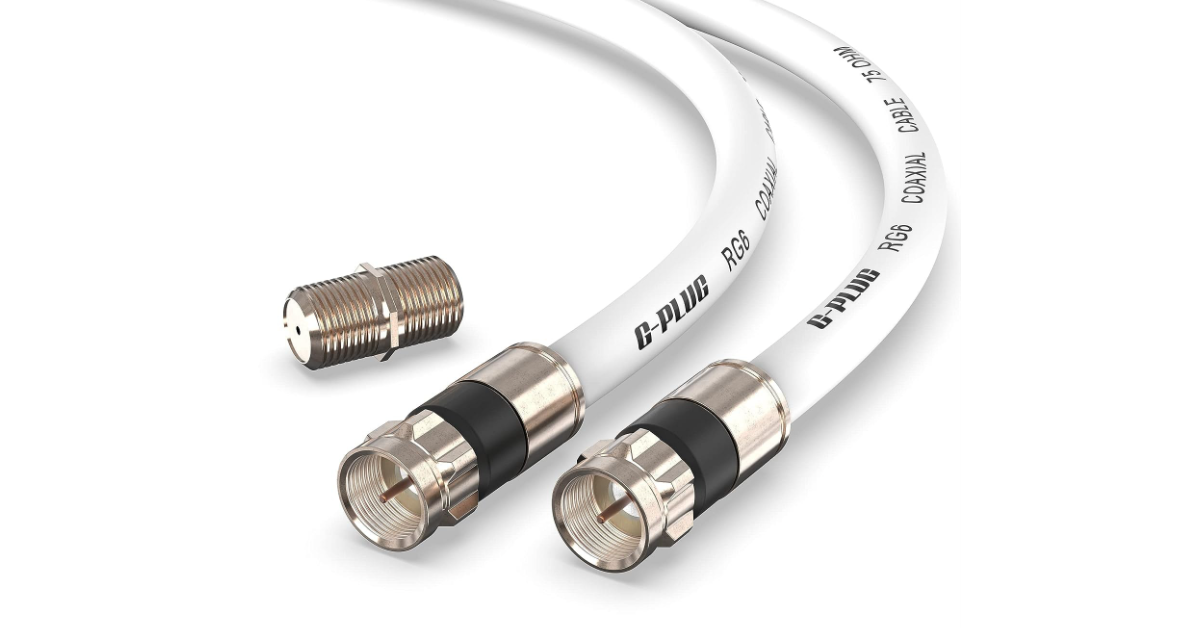
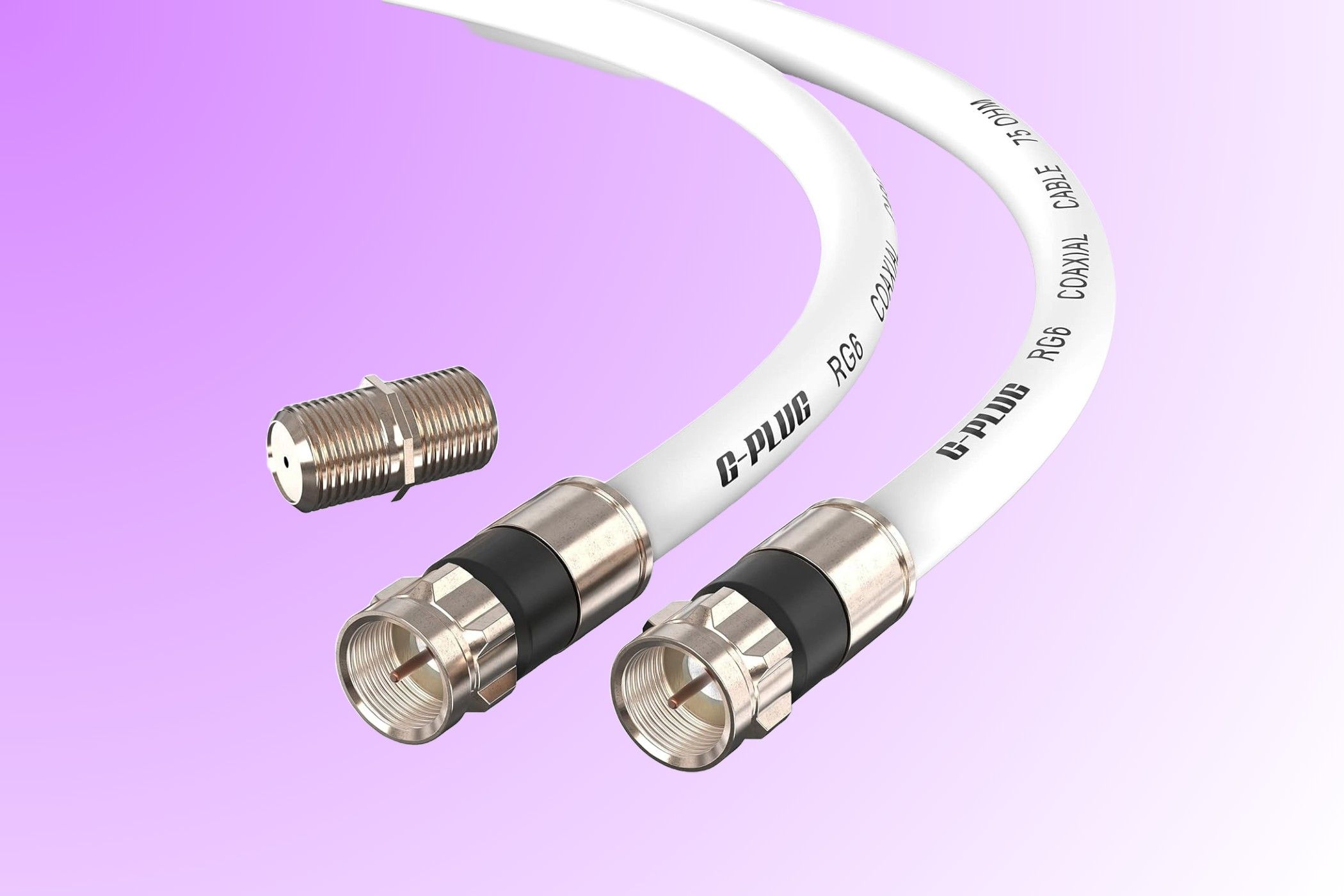
Generally speaking, RG-6 is the gold standard for most home applications. It’s like the all-purpose flour of the coax world. It's designed to handle higher frequencies and provides better shielding than older standards like RG-59. Think of RG-6 as the reliable sedan, ready for everyday use.
RG-59 is older and generally less expensive. It's okay for some older, low-bandwidth applications, but definitely not recommended for modern HDTV or high-speed internet. Using RG-59 for modern applications is like trying to run a marathon in flip-flops – it might work, but you're gonna have a bad time.
RG-11 is the heavy-duty option, like a powerful truck. It's thicker and has even lower signal loss over long distances. This is often used for underground runs or for connections that travel a significant distance within a building. Unless you're wiring up a mansion, you probably don't need RG-11.
Shielding: The Superhero Cape for Your Signal
Shielding is crucial. It protects the signal from outside interference, which can come from all sorts of sources – other electronics, radio waves, even the electrical wiring in your walls!
Look for cables with at least dual-shielding (foil and braid). Even better, go for quad-shielded for maximum protection. Think of it as putting your signal in a Faraday cage – nothing's getting in (or out)!
Connectors: The Handshake That Matters
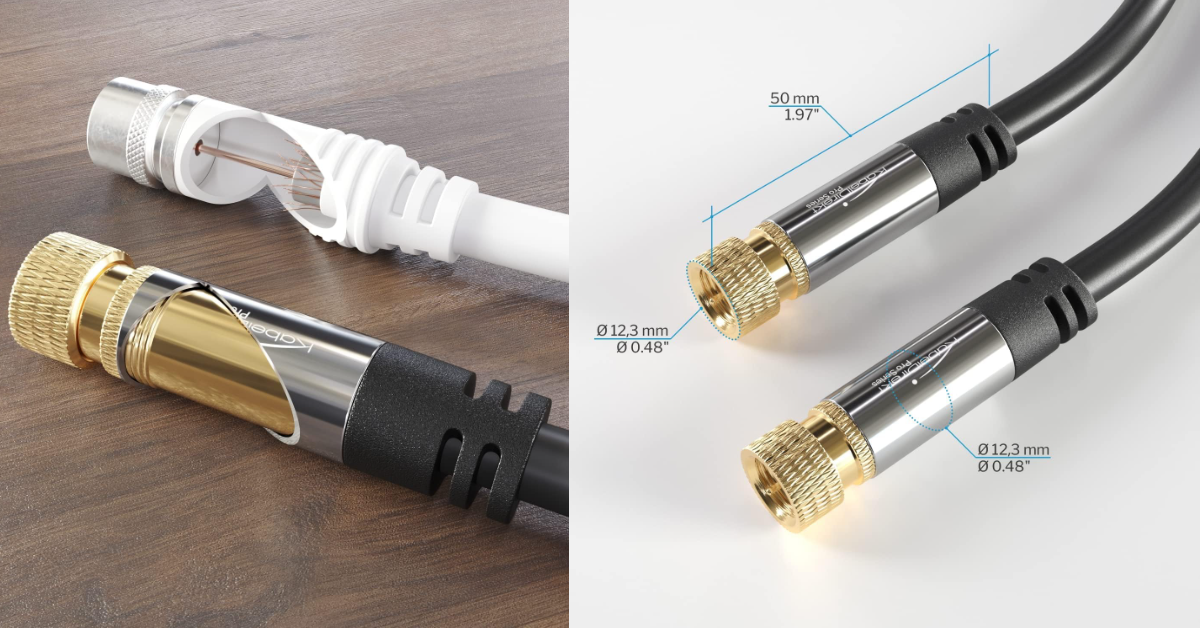
The connectors at the end of your coax cable are just as important as the cable itself. A loose or poorly installed connector can undo all the benefits of a high-quality cable.
Make sure the connectors are securely attached and properly crimped. Compression connectors are generally considered superior to older screw-on types. They provide a tighter, more reliable connection.
So, What's the Verdict?
Okay, so we've talked about RG-6, shielding, and connectors. But what’s the absolute best coaxial cable?
Honestly, there's no single "best" for everyone. But for most home users, a high-quality, quad-shielded RG-6 cable with properly installed compression connectors is the way to go. Look for reputable brands and read reviews. A little research can save you a lot of frustration (and buffering!).
Investing in a good coax cable might seem like a small thing, but it can make a big difference in your overall viewing and internet experience. So, take a look at those cables behind your TV – are they up to the task? You might be surprised at the improvement a simple upgrade can make! Think of it as giving your entertainment system a little TLC – it’ll thank you for it.