
What Is The Approved Indication For Acoramidis

So, you wanna know about acoramidis? Buckle up, buttercup! It's not exactly a household name, is it? But trust me, it's got its own quirky charm. Think of it as the unsung hero fighting a very specific, very serious battle.
What's the Big Deal? Acoramidis and Its Mission
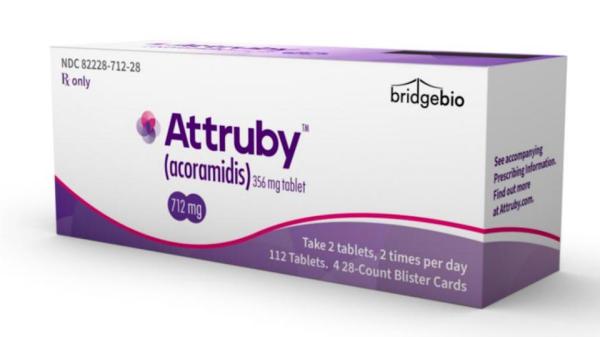
Okay, let's get down to brass tacks. What's acoramidis actually approved for? It's all about tackling a heart condition called ATTR cardiomyopathy. Say that five times fast! It’s much easier to call it ATTR-CM.
This isn't your run-of-the-mill heart trouble. ATTR-CM is a sneaky disease where a protein called transthyretin (TTR) goes rogue. It misfolds and clumps together, forming these nasty deposits called amyloid fibrils. These fibrils then invade the heart, making it stiff and weak. Imagine your heart being like a delicious gummy bear that’s been left out in the sun too long - all hard and unyielding.
Must Read
And that, my friend, is where acoramidis swoops in to save the day! It's designed to stabilize the TTR protein. Think of it like a tiny bodyguard, making sure TTR stays in its proper shape and doesn't go off on a misfolding spree.
Essentially, acoramidis aims to slow down the progression of ATTR-CM by preventing those troublesome amyloid fibrils from forming. This, in turn, can help improve the heart's function and quality of life for people living with this condition.

Think of it this way: ATTR-CM is like a rogue knitting club gone wild, creating tangled messes instead of cozy sweaters. Acoramidis is the knitting instructor who restores order and gets everyone back on track!
But Wait, There's More! Quirky Facts Ahoy!
Now for the fun stuff! You might be wondering, "Okay, cool, it stabilizes TTR. But how does it really work?" Well, that's where things get a little… molecular. But don't worry, we'll keep it light.
Imagine TTR as a four-seater car. Acoramidis hops into one of the seats and essentially locks the doors from the inside, preventing the car (TTR) from falling apart into individual pieces that can then clump together. Pretty neat, huh?

And here's a crazy thought: While acoramidis is specifically approved for ATTR-CM affecting the heart, TTR amyloidosis can actually impact other organs too, like the nerves. Researchers are constantly exploring potential new uses for drugs like acoramidis, even if they are not yet approved.
Isn't it wild to think that a single protein gone wrong can cause so much havoc? It just goes to show you – pay attention to your proteins, folks!
Why Should You Care? (Besides the Fact That It's Awesome)
Okay, so maybe you don't have ATTR-CM (and hopefully you don't!). But understanding medications like acoramidis gives you a peek into the fascinating world of medical science. It shows you how scientists are constantly developing clever solutions to tackle complex diseases.
It also highlights the importance of clinical trials. These are carefully designed studies that help determine whether a drug is safe and effective before it gets approved for use. Acoramidis went through rigorous testing to ensure it does what it claims to do.
Plus, knowing about these things makes you a more informed and engaged citizen. You can have intelligent conversations with your doctor, understand medical news better, and generally feel more empowered about your own health.
The Takeaway: Acoramidis in a Nutshell
So, what have we learned? Acoramidis is approved to treat ATTR cardiomyopathy, a condition where a misfolded protein damages the heart. It works by stabilizing that protein, preventing it from forming harmful deposits. It's a testament to the ingenuity of medical science and the power of clinical trials.

And hey, even if you forget the name "acoramidis," remember the story of the rogue protein and the tiny bodyguard. Because knowledge is power, and a little bit of quirky medical trivia never hurt anyone!
In short: Acoramidis = Good for hearts with a very specific problem. Now you know!
Disclaimer: This is for informational purposes only and does not constitute medical advice. Always consult with a qualified healthcare professional for any health concerns or before making any decisions related to your treatment.