Ever paused to ponder something seemingly simple, like, "What is Standard Temperature?" It sounds like an easy question, doesn't it?
Surely, there must be just one official, universally agreed-upon number. A single, definitive Celsius degree that everyone points to. Prepare yourself for a bit of playful disillusionment.
Because, dear reader, the truth is a little more… flexible. It turns out "standard" isn't quite as standard as you might imagine. It's like asking for "standard pizza toppings."
The scientific community, bless its meticulous heart, actually juggles a few different "standards." Each one serves a specific purpose, but it can be quite a dizzying dance for the rest of us.
Let's peek behind the curtain of lab coats and technical manuals. We’ll meet a few of these temperature titans, each with its own fan club.
The Chilly Contender: STP
First on our whimsical temperature tour is STP. This intriguing acronym stands for Standard Temperature and Pressure. It’s a real cool customer, literally.
When scientists talk about STP, they’re usually thinking about a frosty 0 degrees Celsius. That's right, the freezing point of water. Brrr!
Imagine a crisp, cold winter morning. Or perhaps a perfectly preserved ice cube in your drink. That’s the vibe.
This setting is incredibly important for chemists and physicists. It helps them compare data for gases and chemical reactions in a very consistent way. It’s a no-nonsense, baseline measurement.
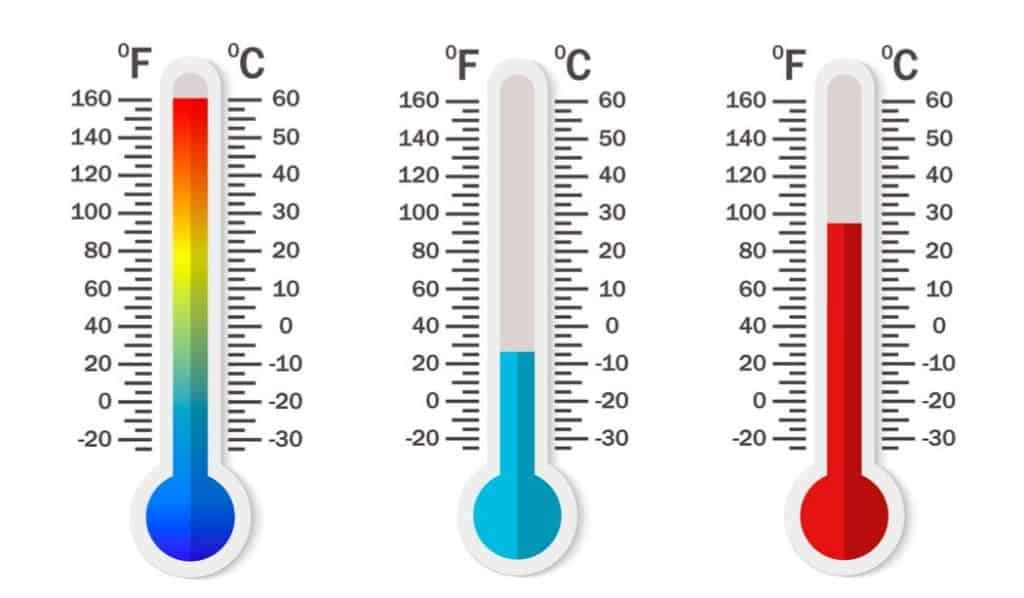
Celsius Temperature Scale
It’s essential for theoretical calculations and predicting how things behave under very specific, controlled conditions. Practical, yes, but perhaps not what you’d call "comfortable."
The Cozy Contender: SATP
Next up, let’s welcome SATP to the stage. This friendly-sounding abbreviation means Standard Ambient Temperature and Pressure. This one is much more agreeable.
SATP usually settles in at a much warmer 25 degrees Celsius. Now we're talking! This feels a lot more like a temperature we might actually enjoy.
Think of a pleasant spring day, or the ideal temperature inside a well-regulated building. It’s much closer to what most of us consider "room temperature."
Many laboratory experiments, especially those involving biological samples or everyday materials, prefer SATP. It’s less extreme and often more representative of real-world conditions.
So, while STP is great for super cold science, SATP steps in for a more lived-in, comfortable kind of measurement. It’s the Goldilocks temperature for many lab scenarios.
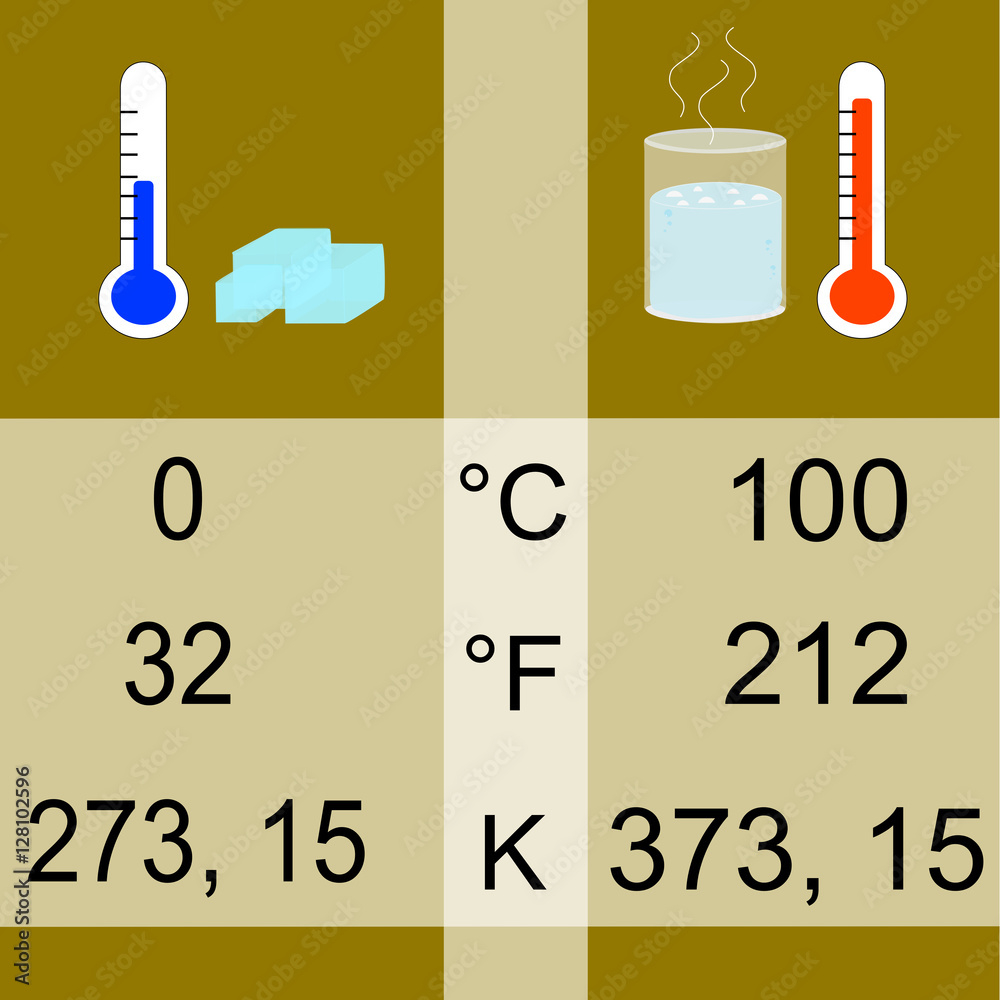
Temperature Scales: Fahrenheit, Celsius, and Kelvin - KidsPressMagazine.com
The Engineering Pick: NTP
But wait, there’s more! Not to be outdone, engineers often introduce us to NTP, standing for Normal Temperature and Pressure. It’s another flavor in the "standard" pot.
NTP often hovers around 20 degrees Celsius. This is yet another slightly different number, showcasing the delightful diversity of "standards."
This particular standard is a favorite in various engineering calculations. Building design, industrial processes, and air handling systems often refer back to NTP.
Engineers need a stable reference point for their complex designs, just like scientists do. Their "normal" might be slightly different, but equally crucial for their work.
So, whether it's 0°C, 25°C, or 20°C, there’s a whole spectrum of official "standard" temperatures. Confused yet? Don't worry, you're in good company.
My Unpopular Opinion: The True Human Standard
Here’s where my slightly rebellious, utterly relatable, and entirely unofficial opinion comes into play. With all these scientific standards, which one truly matters to us?
Which temperature makes the most sense as a universal Standard Temperature for human comfort and happiness? None of the above, I say! My vote is for something else entirely.
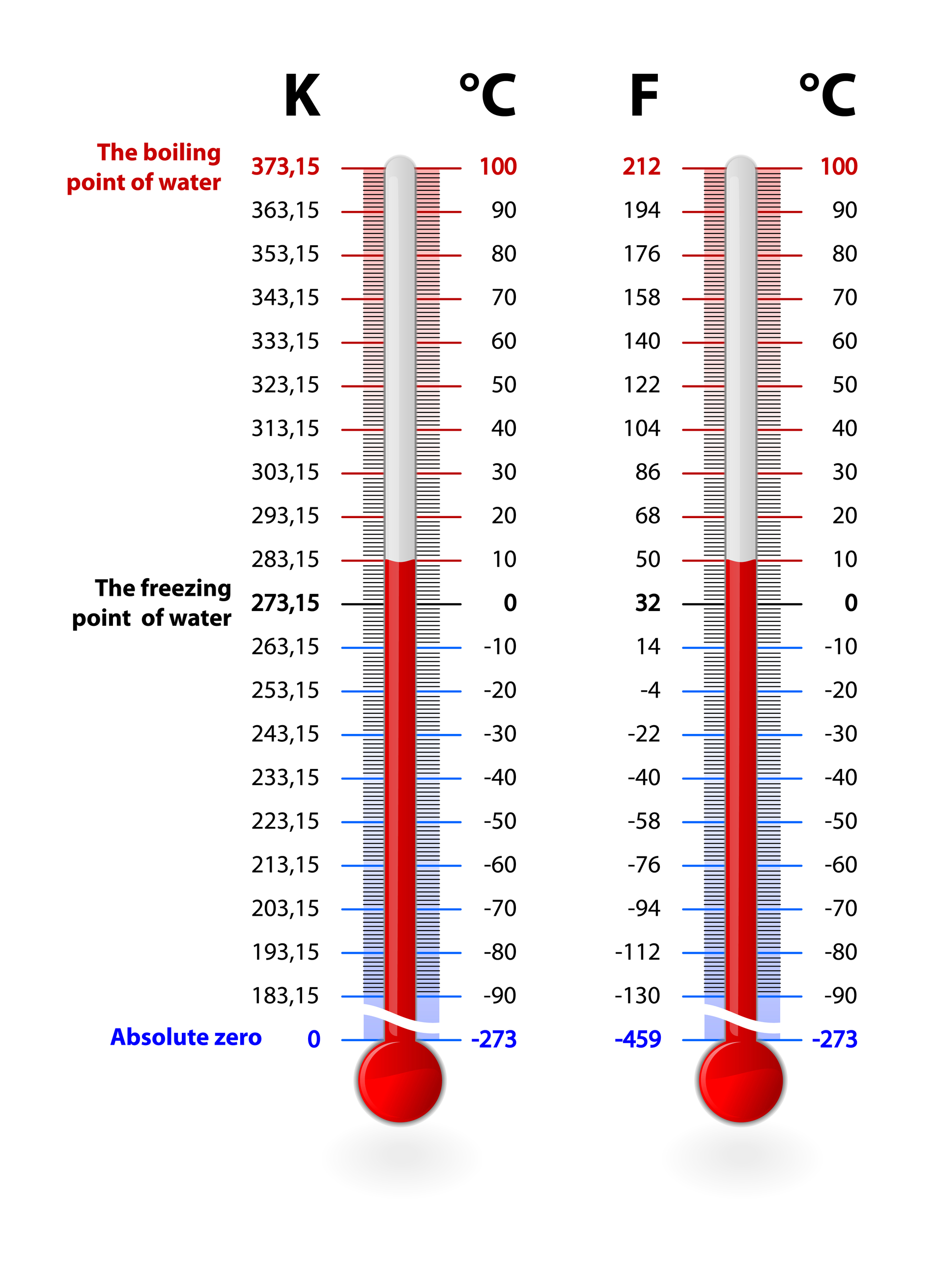
Celsius Temperature Conversion Chart - SizeConversionChart.com
My deeply held, slightly controversial, but utterly sensible belief? The true standard temperature, the one that should be universally acknowledged for human thriving, is 22 degrees Celsius.
Think about it for a moment. It's that divine sweet spot. It’s the temperature where you’re not reaching for a sweater, nor are you fanning yourself frantically.
It’s perfectly comfortable in a short-sleeved shirt. Warm enough to feel cozy, cool enough to feel refreshed. It’s absolutely delightful. It's the "just right" temperature for pretty much everything.
This temperature promotes productivity without distraction from heat or cold. It encourages relaxation without making you lethargic. It’s simply perfect.
So while scientists quibble over their zeros and twenty-fives, I propose we, the people, unite under the banner of 22°C. Let it be known as the Standard Human Comfort Temperature.
"The truly standard temperature isn't found in a lab. It's found in the sweet spot of human comfort. And that, my friends, is undeniably 22 degrees Celsius."
Celsius Temperature Scale
The truth is, "standard" is often a bit subjective, isn't it? What's a standard coffee? Strong, weak, black, with milk? It depends entirely on who you ask.
Temperature is no different. Each field, each person, has their ideal. And for day-to-day living, my humble opinion is that 22°C wins hands down.
It's warm enough for a lovely walk, but cool enough for a productive afternoon indoors. It's the temperature of perfect balance and blissful neutrality.
So next time someone casually mentions Standard Temperature, give them a knowing wink. Ask them, "Which one are you talking about?"
And then, with a confident smile, perhaps you too can suggest your own wonderfully comfortable standard. Because in a world full of specific scientific numbers, sometimes the most important standard is your own well-being.
Let's embrace our own comfort. Let's make 22°C the people's standard. Go forth and be playfully non-conformist!