What Is Not True About Enzymes

Enzymes! They sound like something straight out of a sci-fi movie, right? Like little robots tirelessly working inside you. And guess what? They practically are! But some common ideas about these amazing biological helpers just aren't quite right. Let's bust some enzyme myths!
Myth #1: Enzymes are Only Inside Your Body
Nope! Enzymes are everywhere. Seriously! Sure, they're crucial for digestion, muscle movement, and basically everything happening inside you. But they're also in your laundry detergent (eating away stains!), your fruit (causing it to ripen), and even in some yummy cheeses (giving them that distinct flavor). Imagine that! The same type of worker inside you is also giving your Brie its delightful tang.
Enzymes are produced by all living things. Plants, bacteria, even fungi - they all have their own set of enzymatic helpers to keep things humming along. So, next time you're enjoying a perfectly ripe banana, remember the enzymes working hard behind the scenes.
Must Read
Myth #2: Enzymes are Used Up in Reactions
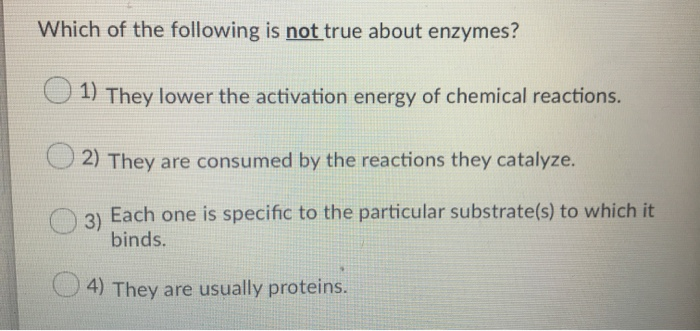
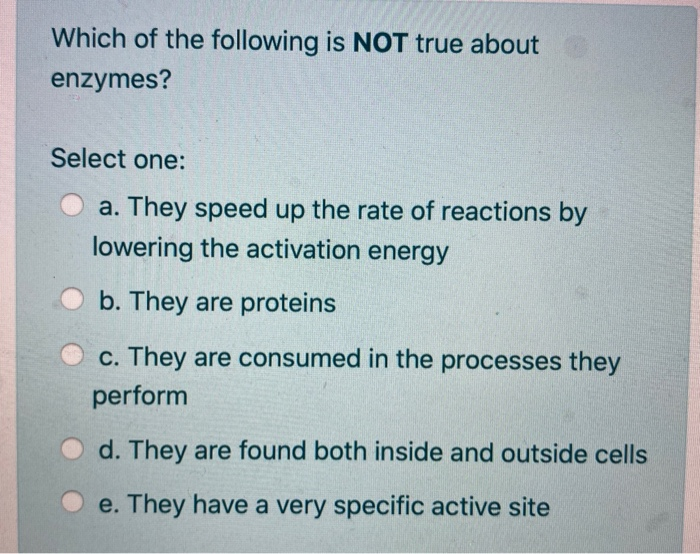
Okay, this one is a biggie. Think of an enzyme as a really dedicated matchmaker. It brings two molecules together, helps them react, and then… it's free to do it all over again! Enzymes are not consumed by the reaction. That's why they're called catalysts.
It's like a chef using a specific knife to chop vegetables. The knife helps with the chopping, but the knife itself doesn’t disappear in the process (hopefully!). The enzyme just facilitates the chemical reaction and then moves on to the next task. Talk about efficient!
"Enzymes are biological catalysts. They speed up reactions without being changed themselves."
Myth #3: All Enzymes Work the Same
Oh, please. Imagine if every chef only knew how to make scrambled eggs. Boring, right? Enzymes are super specialized. Each one is designed to work on a specific substrate (the molecule they're acting on) and perform a specific reaction. It's like having a tiny key that only fits one particular lock.
Think about it. The enzyme that breaks down lactose (milk sugar) is different from the enzyme that helps your muscles contract. They have totally different jobs and totally different shapes to match those jobs. They have this "lock and key" model. Messing with the enzyme's shape can make it stop working completely, that is not good.

Myth #4: More Enzymes is Always Better
This is where things get a little more nuanced. While having enough enzymes is essential for proper function, simply throwing in extra isn't always the answer. It's not like adding more chefs to a kitchen automatically makes the food better. You need the right ingredients and the right coordination.
In some cases, excess enzymes can even be harmful! The body carefully regulates enzyme production to maintain balance. Sometimes, taking enzyme supplements may not actually help, as they could be broken down in your stomach before they even reach the target area. Your body knows what it’s doing most of the time!

Myth #5: Enzymes Only Work at High Temperatures
False! While some enzymes (like those found in extremophiles – organisms that live in extreme environments) can tolerate high temperatures, most enzymes in your body actually work best at around your normal body temperature: 37°C (98.6°F).
Think of it like baking a cake. If the oven is too hot, the cake will burn. If it's too cold, it won't cook properly. Enzymes are the same. Extreme temperatures can actually denature the enzyme, meaning they lose their shape and stop working. Brrr!
So, there you have it! A little peek behind the curtain of enzyme misconceptions. They are not just biological workers; they are the unsung heroes of life, working tirelessly to keep everything running smoothly. Hopefully, you will be a little bit curious about what enzymes really do. Go check it out!