
What Is Kw In Electricity
Ever woken up to the smell of fresh coffee brewing, heard the gentle hum of your refrigerator, or felt the immediate warmth of a toaster popping up your breakfast? These everyday moments, so familiar and comforting, are powered by an invisible force: electricity. And right at the heart of understanding how much oomph your gadgets truly have, lies a neat little term: kW.
Now, don't let the technical-sounding abbreviation fool you. kW isn't some complicated scientific mystery. Think of it as the secret language your appliances use to tell you just how much power they're drawing at any given second. It’s like their personal "power rating" – their instant strength score, if you will.
The Mighty Watt: The Oomph Factor
Before we get to the "k," let's talk about the "W." The "W" stands for Watt, named after the brilliant Scottish inventor, James Watt, who gave us vast improvements in steam engines. Imagine pushing a tiny toy car versus pushing a real car. The toy car requires only a little oomph, a few Watts. The real car? It needs a lot more oomph, a lot more Watts! In electricity, a Watt is simply a unit of power. It tells you how fast electrical energy is being used or produced.
Must Read
A small LED lightbulb might only sip a modest 5 Watts of power – it's like a quiet whisper of electrical energy. Your smartphone charger, a true unsung hero, typically draws around 5-20 Watts, just enough to gently coax energy back into your device. These are the humble background musicians of your electrical orchestra.
The "k": Just a Thousand Cheers!
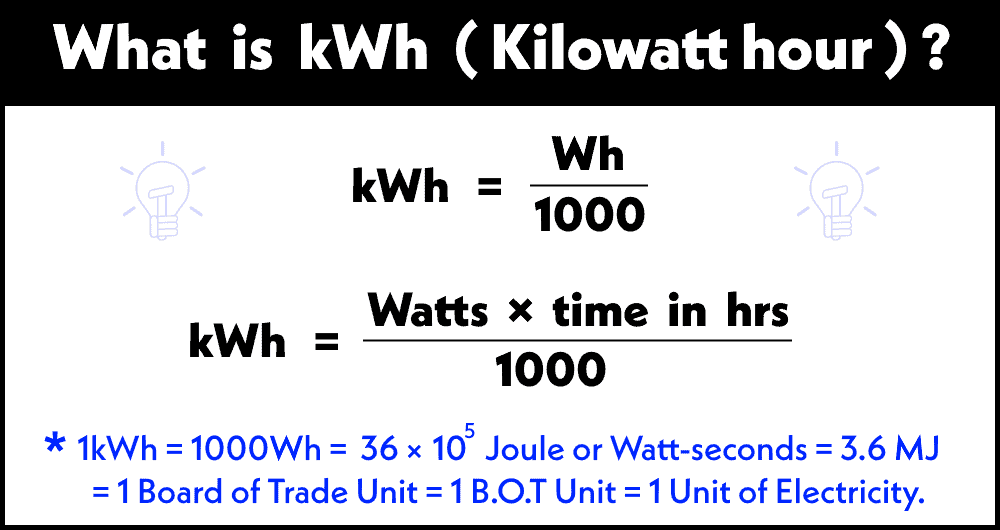
Now for the mysterious "k." This one is super simple! The "k" in kW just stands for kilo, which is the Greek word for "thousand." You've seen it before: a kilometer is 1000 meters, and a kilogram is 1000 grams. So, following this pattern, 1 kW is simply 1000 Watts.
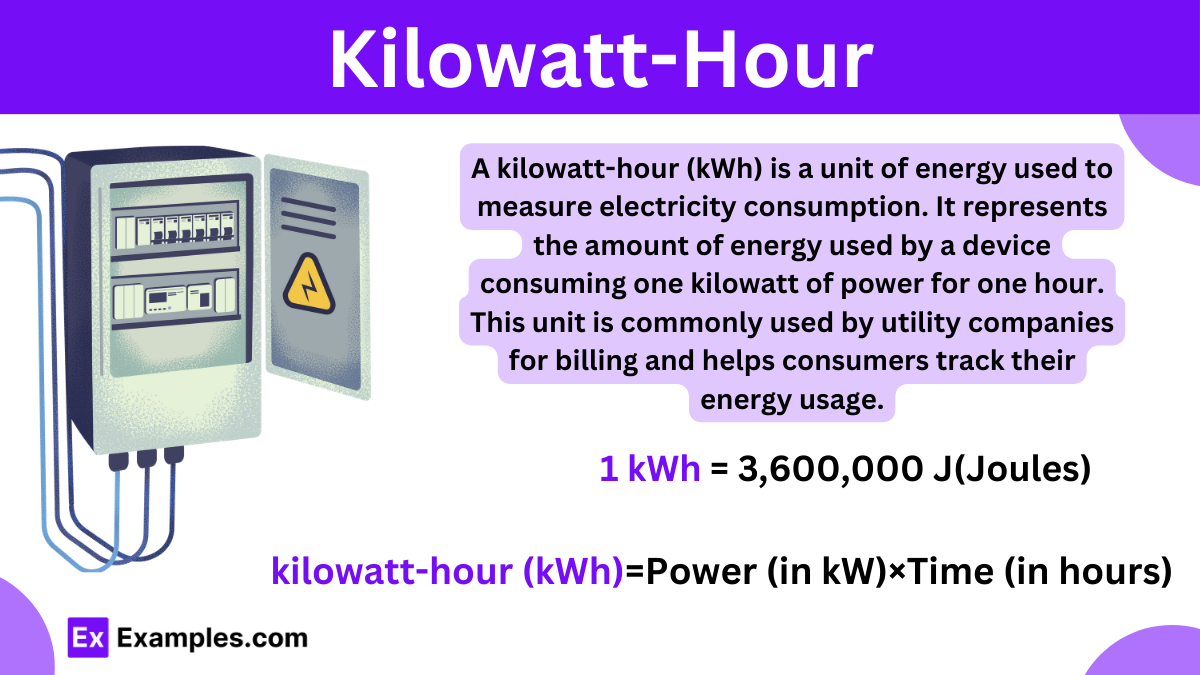
It's like saying, "Hey, this appliance doesn't just use 500 Watts; it uses 1.5 kW!" It's a convenient shorthand for talking about bigger power appetites without juggling huge numbers. Think of it as grouping a thousand tiny ants into one powerful army.
Why kW Matters: The Power Party in Your Home
So, putting it all together, kW tells you how many thousands of Watts an appliance is using right now to do its job. And this is where it gets fun and surprisingly insightful!
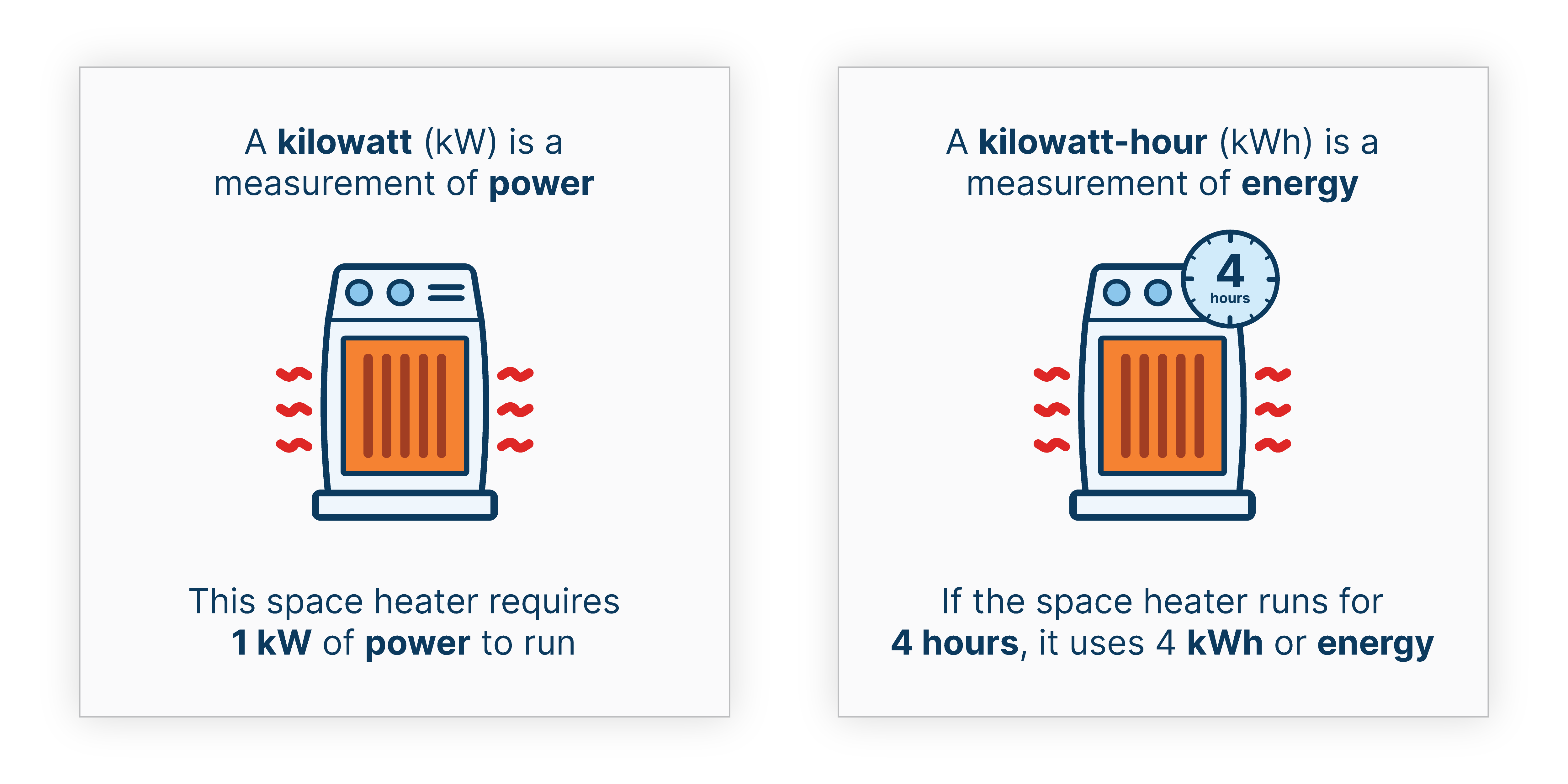
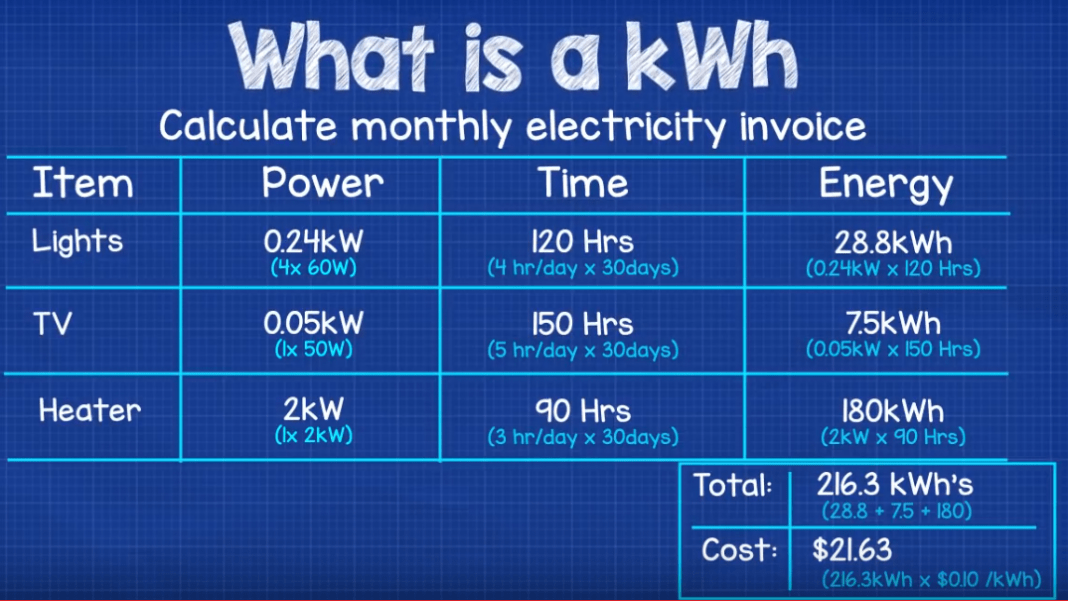
Take a look around your kitchen. Your faithful microwave, making quick work of your leftovers, often gulps down around 1 kW (that's 1000 Watts!) or more. That electric kettle, boiling water for your morning tea, can be a real thirsty beast, easily guzzling 2 kW or more for those few minutes of intense work. And your electric oven, warming up for a delicious Sunday roast? It's the grand dame of power, demanding anywhere from 3 kW to a hefty 5 kW to get those potatoes perfectly crispy!
Understanding kW gives you a whole new appreciation for the electrical ballet happening in your home. You start to see your appliances not just as objects, but as little power personalities:
- Your phone charger is the polite, quiet guest at the party.
- Your fridge is the steady, ever-present background hum – always on, but not throwing a huge party.
- Your hair dryer is a temporary diva, demanding a burst of power for its moment in the spotlight (often 1.5 kW to 2 kW!).
- And your oven? That's the rock star, belting out powerful notes, making sure everyone feels the heat!
The surprising part is just how much power some of these everyday items need to deliver the comfort and convenience we often take for granted. It makes you look at your toaster, not just as a metal box, but as a small powerhouse, ready to transform bread with a jolt of kW-measured energy.
Next time you flip a switch, plug something in, or marvel at your dinner cooking, give a little nod to kW. It's not just a technical term; it's a friendly reminder of the invisible, instant power that fills our lives with warmth, light, and delicious smells. It’s the language of how much oomph your world is using to keep spinning beautifully.
