
What Is In A Dry Chemical Extinguisher

You know the bright red cylinder. It's a fixture in kitchens, hallways, and office spaces, an ever-present guardian promising safety in a pinch. We often see it, acknowledge its purpose, but rarely stop to think: what on Earth is actually inside that thing? Is it some secret, high-tech goo? A mystical fire-slaying potion? Prepare for a delightful dose of the surprisingly mundane, because the truth about what's in a dry chemical extinguisher is far more down-to-earth, and frankly, a bit heartwarming.
The Mighty Dust: A Gardener's Secret Weapon?
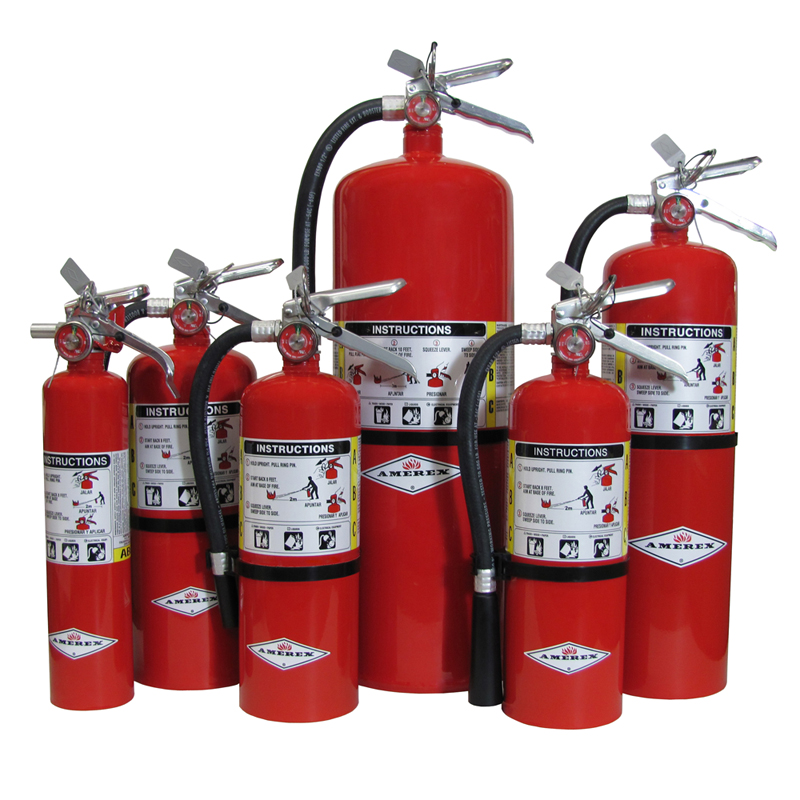
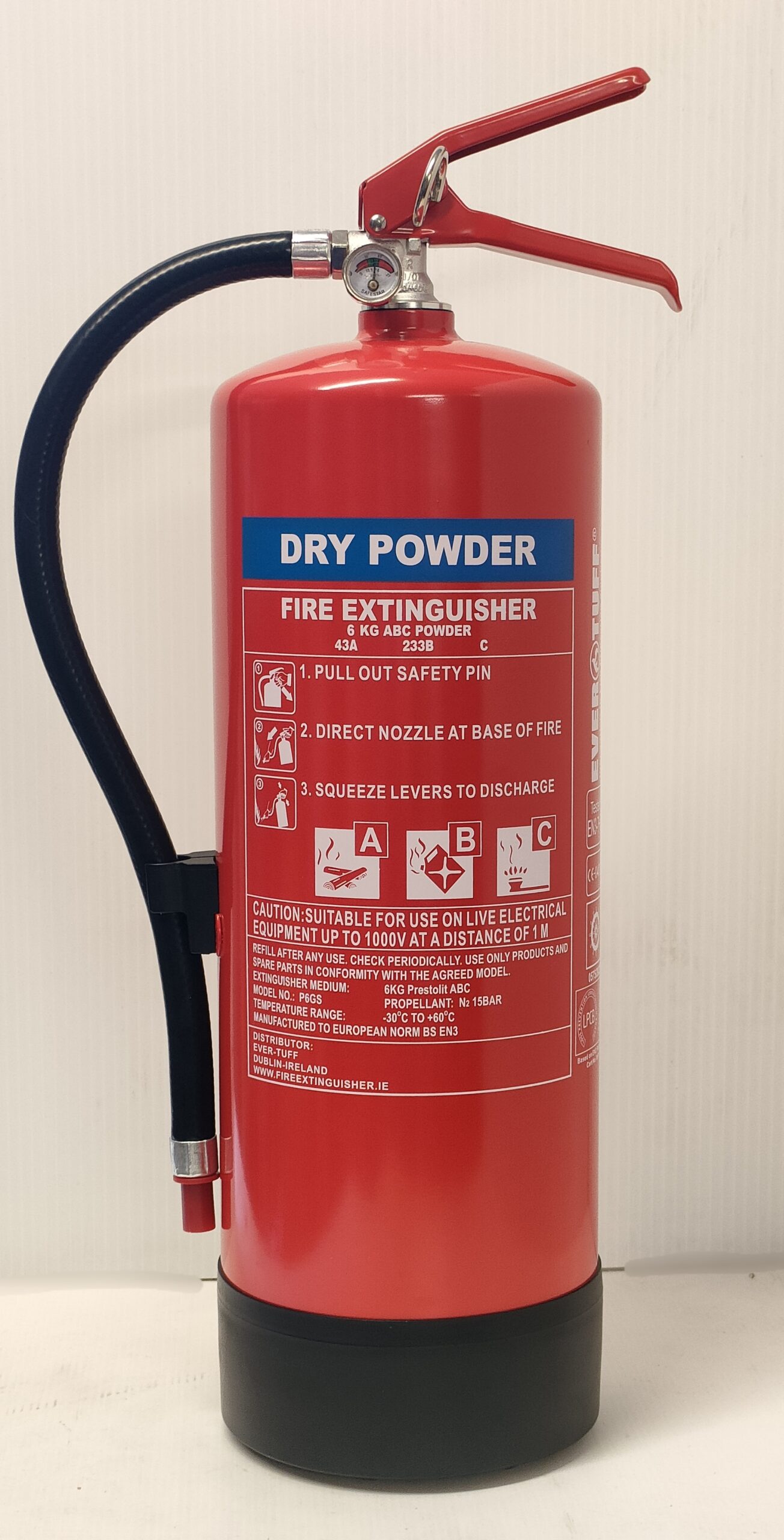
Let's dive right in. When you see an extinguisher labeled "ABC" – meaning it tackles common fires involving ordinary combustibles, flammable liquids, and electrical equipment – its primary secret ingredient is often a fine, yellow powder. This magical dust goes by the name of monoammonium phosphate. Sounds like something straight out of a mad scientist's lab, right? But hold onto your hats, because this stuff is actually pretty familiar in another surprising context: gardening!
Yep, monoammonium phosphate is a cousin to the very ingredients you'll find in many fertilizers, helping your tomatoes grow big and juicy, or your roses bloom with vibrant color. The same basic chemistry that nourishes plant life can also snuff out a raging inferno. How wonderfully ironic! When blasted onto a fire, this powder melts, forming a gooey, non-flammable coating that smothers the flames and cuts off their oxygen supply. It’s like giving the fire a suffocating, phosphorescent blanket made from garden goodness.
Must Read
The Kitchen Hero: Baking Soda's Big Break
But wait, there's more! Some dry chemical extinguishers, particularly those labeled "BC" (for flammable liquids and electrical fires), use something even closer to home. We're talking about sodium bicarbonate. Sound familiar? It absolutely should! We're talking about good ol' baking soda!
Imagine, that mighty defender against flames could be the very thing you sprinkle into your next batch of cookies!
Yes, the same unassuming white powder that makes your cakes rise, deodorizes your fridge, and can even be used as a gentle abrasive cleaner, is a powerhouse against certain types of fires. When exposed to heat, sodium bicarbonate releases carbon dioxide, which helps starve the fire of oxygen. It’s a bit like giving a fire a giant, foamy burp that puts it out. Its slightly tougher cousin, potassium bicarbonate, often called Purple K for its distinctive color and superior fire-fighting prowess, operates on a similar principle, just with an extra kick.
The idea that a common pantry staple holds such heroic potential is truly delightful. It’s like finding out your mild-mannered librarian moonlights as a superhero. Who knew your kitchen cupboard held such life-saving secrets?
The Unsung Hero: Air Power!
So, we have these fantastic powders, but how do they get out of the canister and onto the fire in a powerful, directed stream? The answer is beautifully simple: pressure! Inside the extinguisher, alongside the powder, is a cylinder of compressed gas, usually plain old nitrogen – the same gas that makes up most of the air we breathe. It's entirely inert, meaning it doesn't react with the chemicals or the fire itself.

When you squeeze the handle, you open a valve, releasing this pressurized nitrogen. It acts like a powerful blast of air, propelling the dry chemical powder out of the nozzle with incredible force, creating that distinctive, suffocating cloud we all hope never to see in action, but are grateful for when we do.
The Aftermath: A Snowy Surprise
Now, while incredibly effective, there's one tiny, humorous side effect to these dry chemical extinguishers: the mess. Imagine opening a giant bag of flour or baking soda right over your kitchen, then having a leaf blower blast it around the room. It's dusty! Really, really dusty! The fine powder gets everywhere, clinging to surfaces, seeping into cracks, and making everything look like it's been caught in a very fine, chemical snowstorm.
The cleanup is legendary, often requiring careful vacuuming followed by meticulous wiping. It’s a small price to pay for safety, of course, but it certainly adds a memorable (and perhaps slightly frustrating) chapter to the fire emergency story. Your cat might even wonder if it's found a new, giant litter box.
Simple Brilliance, Powerful Protection
So, the next time you spot that unassuming red cylinder hanging on the wall, remember its secret. Inside isn't some complex, terrifying chemical cocktail designed by a shadowy organization. It's often humble ingredients: a relative of plant fertilizer, or even good old baking soda, powered by the very air we breathe. Simple substances, working together in a brilliant way, ready to jump into action and keep us safe.
It’s a testament to how everyday components, with a little scientific ingenuity, can become our unsung heroes in a pinch. Pretty cool, right? Who knew fire safety could be so surprisingly down-to-earth?
