
What Is High Level Of Carbon Monoxide

Alright, settle in, grab a virtual cuppa, because we’re about to dive into a topic that sounds super serious but we’re going to tackle it with a smile and maybe a few chuckles. We’re talking about high levels of carbon monoxide, or as I like to call it, the invisible party crasher that no one invited and everyone wants to kick out. Imagine a house guest so stealthy, so utterly devoid of manners, that you don’t even know they’re there until you start feeling a bit… odd.
So, What's the Big Deal with CO?
Carbon monoxide (CO) isn't some mythical beast, though it might as well be given how it operates. It's a gas, completely colorless, odorless, and tasteless. Yep, you heard that right. You can’t see it, you can’t smell it, you can’t even do a sneaky taste test like you might with a suspiciously quiet roommate’s leftovers. It’s the ultimate ninja of harmful substances, slipping into your home unnoticed, setting up camp, and making itself very, very comfortable.
Think of it this way: if dangerous gases were holding a popularity contest, CO would be the kid who doesn't even bother to campaign because he knows he can just sneak in through the back door and mess with the ballot box. It's truly a master of disguise, which is precisely why it's so dangerous.
Must Read
How Does This Sneaky Scoundrel Get So High?
CO isn't just floating around willy-nilly trying to crash your Tuesday night Netflix binge. It’s a byproduct of incomplete combustion. Basically, when things burn and don't get enough oxygen to do it properly, CO is produced. We’re talking about things like your furnace, gas water heater, fireplace, wood-burning stove, or even that trusty gas grill you adore. Generators, cars running in an enclosed space (please, for the love of all that is holy, don't do this!), and even poorly vented clothes dryers can be culprits.
It’s like your appliances are trying their best to do a job, but sometimes they get a bit… lazy. Instead of producing harmless carbon dioxide (the stuff plants love), they churn out carbon monoxide, which your body definitely does not love. So, bringing that barbecue grill indoors for a winter cookout? Hard pass. Don't even think about it. Your lungs will thank you.

Why Is High CO Levels So Bad for Your Bod?
Here’s where it gets really interesting, in a slightly unsettling, science-y way. Your red blood cells are like tiny Uber drivers, constantly zipping around your body, picking up oxygen from your lungs and dropping it off at all your hungry cells. Oxygen is vital; it keeps everything running – your brain, your muscles, your ability to remember where you left your keys.
Now, CO enters the scene. And here's the kicker: your red blood cells? They love CO. Like, a lot. About 200 to 250 times more than oxygen. It’s like oxygen is that reliable, slightly boring friend, and CO is the flashy, charismatic rock star who just walked into the room. Your red blood cells drop oxygen like a hot potato and clamor to pick up CO instead. Once they pick up CO, they form something called carboxyhemoglobin, which is fantastic at doing precisely nothing useful. Your cells are suddenly starved for oxygen, and your body starts to throw a silent tantrum.
The "Uh-Oh" Moments: Symptoms of CO Poisoning
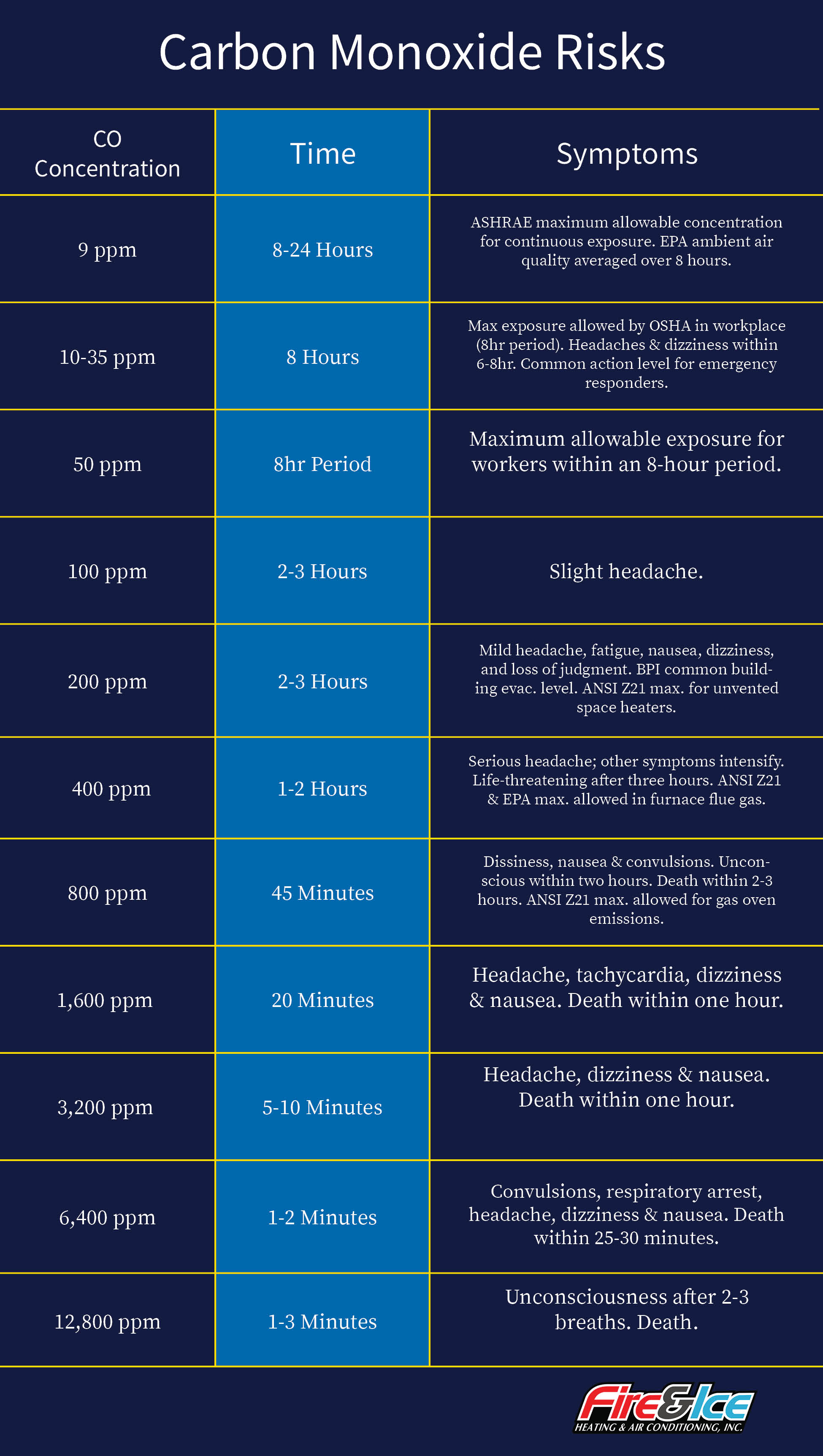
Because CO is such a master of stealth, its early symptoms often mimic other common ailments. You might start feeling a bit like you’re coming down with the flu, or perhaps you just had one too many slices of leftover pizza. Common symptoms include a headache (the kind that won't quit), dizziness, nausea, vomiting, and a general feeling of weakness or fatigue. You might even feel confused or just "off."
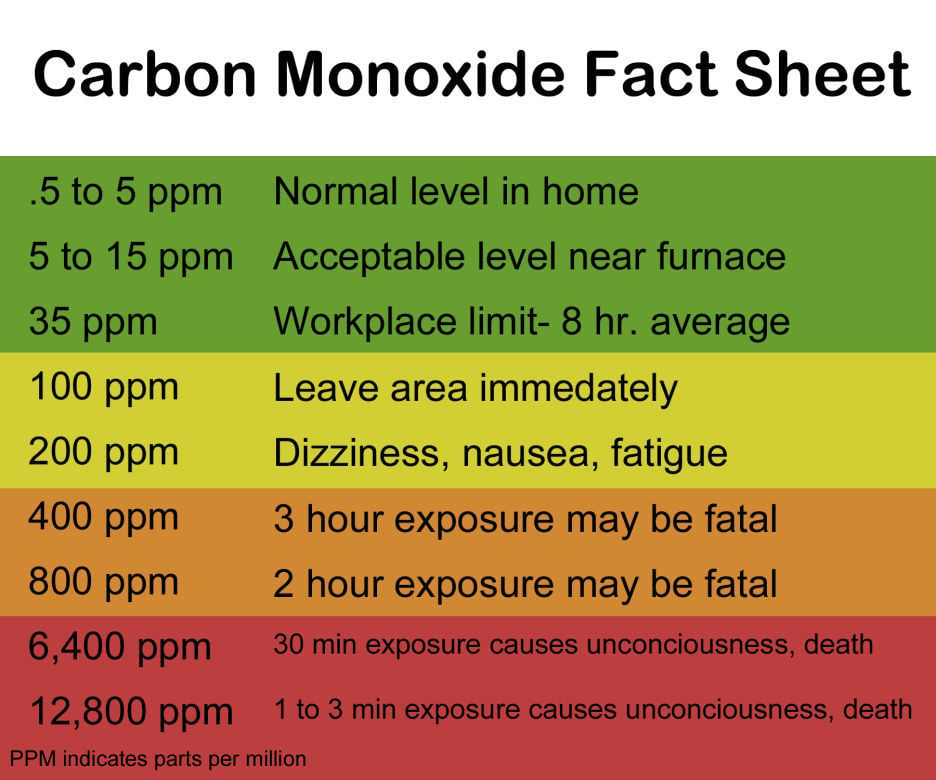
It’s a bit like having a really bad case of brain fog, only it’s not because you forgot your coffee; it’s because your brain isn’t getting the oxygen it needs to form coherent thoughts. As CO levels climb higher and your oxygen levels plummet, things get scarier: you might experience impaired coordination, drowsiness, and eventually, loss of consciousness. Imagine nodding off, thinking you’re just tired, when really, your body is shutting down. Not fun at all.
Surprising Facts (and How to Avoid the Drama)
- Did you know that children, the elderly, and pets are often the first to show symptoms? Your furry friend Fido might start acting lethargic or confused before you even feel a twinge. Always keep an eye on your animal companions!
- CO poisoning is often worse during colder months because we seal up our homes to keep the warmth in, inadvertently trapping any potential CO leaks. So, while you're snuggled up by the fireplace, make sure that fireplace is venting properly!
- It doesn't always take a huge, dramatic leak. Even a small, continuous leak can slowly build up dangerous levels over time, causing chronic symptoms that are hard to pinpoint. It's the slow burn, not the sudden explosion, that often catches people unaware.
Your Home's Bodyguard: The CO Detector
So, how do we fight this invisible foe? Simple: you install a carbon monoxide detector. Think of it as your home’s personal bodyguard, a tireless sentinel standing guard against the silent assassin. These devices are like the bloodhound you don't have to feed, constantly sniffing the air for CO. They let out an ear-splitting shriek when they detect dangerous levels, giving you the warning you need to get out.
Place them near sleeping areas and on every level of your home. Test them regularly (just like your smoke detectors!) and replace the batteries. It’s a small investment for a whole lot of peace of mind. Seriously, don’t skimp on this one. It's like having an airbag in your car – you hope you never need it, but you're profoundly grateful it's there if you do.
If your CO detector ever goes off, the protocol is simple: get everyone outside immediately into fresh air, and then call 911 or your local emergency services. Don’t go back in until professionals say it’s safe.
So, there you have it. The lowdown on high levels of carbon monoxide, served up with a dash of humor and a sprinkle of serious safety advice. Stay safe, stay aware, and keep those invisible party crashers out of your home!
