What Is Group 3 On The Periodic Table Called

Okay, let's talk about the Periodic Table. Yeah, that big chart that hung in your high school chemistry lab, probably covered in mysterious stains and doodles. Remember staring at it, feeling like you were deciphering alien hieroglyphics? Well, fear not, we're not going to dive into the deep end of atomic weights and electron configurations. Instead, we're going to chat about one specific part: Group 3.
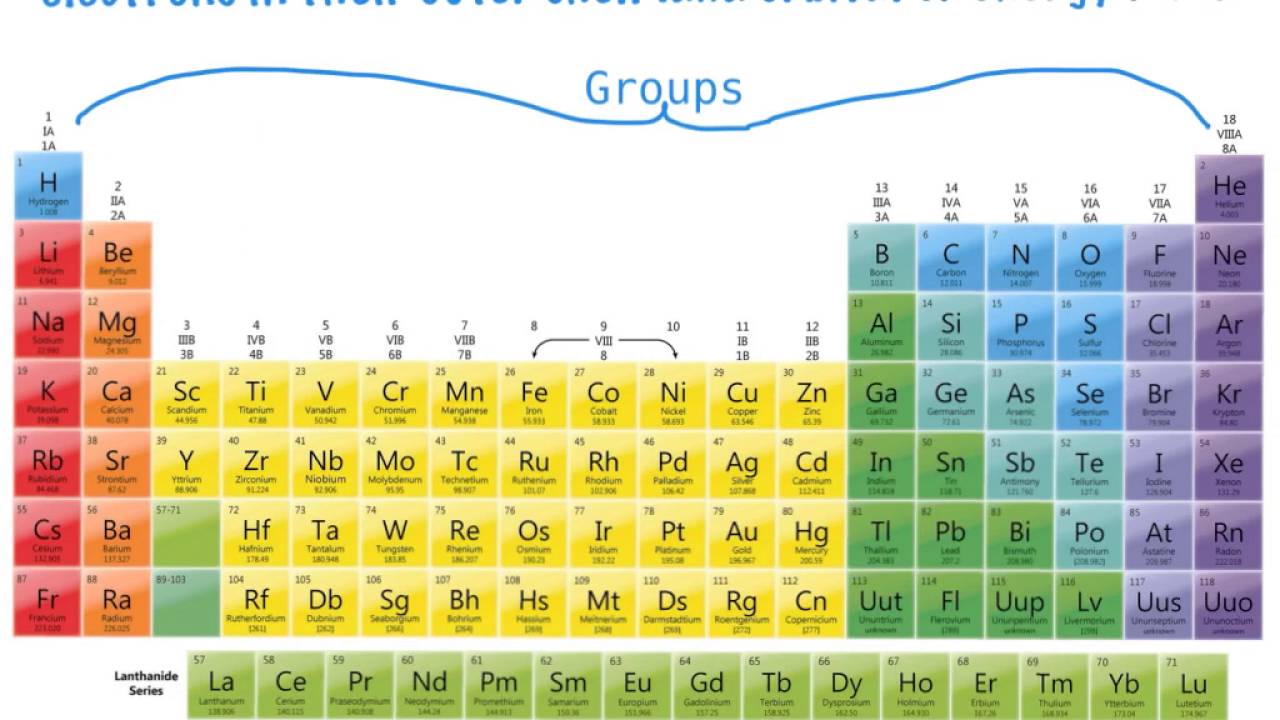
So, what is Group 3 called? Buckle up, because it's not exactly the catchiest name in the periodic table beauty pageant. We're talking about the Scandium Group. Doesn’t exactly roll off the tongue, does it? It's kind of like naming your pet rock "Petros Dwayne Johnson," a little… underwhelming.
Why "Scandium Group?"
Simply put, it's because Scandium (element number 21, symbol Sc) is the first officially recognized element in that group. Makes sense, right? Like naming your band after your lead singer, even if the drummer is clearly the one with all the charisma. (No offense to Scandium.)
Must Read
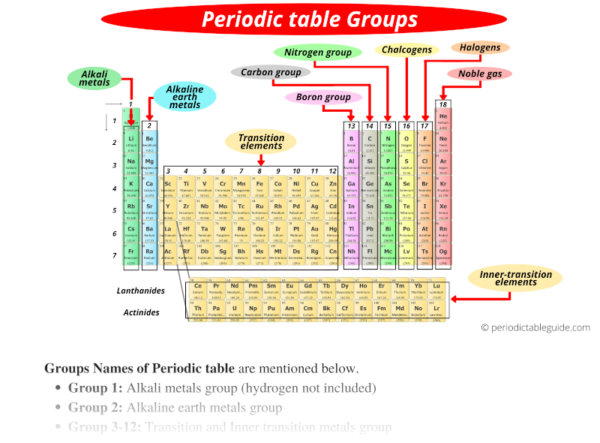
Now, here's where things get a little tricky, but don't worry, we'll keep it breezy. Group 3 typically includes Scandium (Sc), Yttrium (Y), and then… it's a bit of a "choose your own adventure" situation. You see, the periodic table gets this little split at the bottom where you have the Lanthanides and the Actinides, also known as the Inner Transition Metals.
Think of it like this: the main part of the periodic table is the core friend group, and the Lanthanides and Actinides are the quirky cousins that show up for holidays. They're related, but they hang out on the periphery. Some chemists include Lanthanum (La) and Actinium (Ac) as part of Group 3, arguing they have similar properties to Scandium and Yttrium. Others stick the Lanthanides and Actinides in their own little world. It’s a debate that makes arguments about pineapple on pizza seem tame.
So, What's the Big Deal About Group 3?
Well, these elements might not be household names, but they're quietly doing some pretty cool stuff. Think of them as the unsung heroes of modern technology.
For example, Yttrium is used in red phosphors for television screens – basically, it helps make your Netflix binge sessions possible. Scandium, when alloyed with aluminum, creates a super-strong, lightweight material used in some high-end sports equipment, like baseball bats and bicycle frames. You might even be swinging a Scandium-enhanced bat and not even know it!
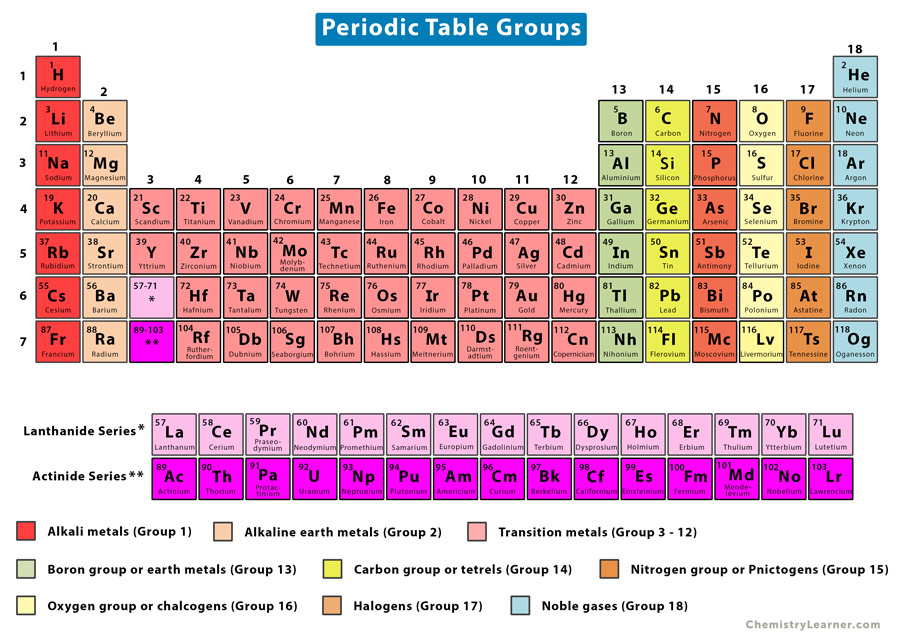
And the Lanthanides and Actinides? They're critical in everything from magnets in your headphones (neodymium, a Lanthanide) to nuclear power (uranium, an Actinide). They're the workhorses that quietly power (literally, in some cases) our modern world.
Basically, Group 3 is like that quiet, dependable friend who always has your back, even if they aren't the life of the party. They may not be flashy, but they're essential. Next time you glance at the periodic table, give Group 3 a little nod of appreciation. They deserve it!
So, there you have it. The Scandium Group. Not the most glamorous name, but definitely a group of elements worth knowing. And hey, at least you can impress your friends at trivia night now. Just try to pronounce "Yttrium" correctly… good luck with that!