
What Is Considered Ambient Temperature

Alright, confession time. I once had a housemate who was absolutely convinced that if you left a window open even a tiny crack, the entire house would instantly revert to the temperature outside. Like, within seconds. It didn't matter if it was a scorching summer day or the middle of a blizzard; that window was an existential threat to our thermostat setting. I'd quietly open it a smidge to air out the lingering smell of his burnt toast, only to hear a dramatic sigh followed by, "Is it freezing in here, or is it just me?" You know the type, right?
It got me thinking, though. When he said "outside temperature," he was really talking about the general temperature of the world around us, the one our houses try so desperately to fight against. And that, my friends, brings us neatly to a term you might have heard floating around: ambient temperature.
What's the Deal with Ambient Temperature, Anyway?
So, what exactly is this mystical "ambient temperature"? In plain English, it's just the temperature of the surrounding environment. Think of it as the default setting. It's the temperature the air in a room would naturally settle to if you didn't have the AC blasting or the heater cranking. It's what your phone feels like after you've left it on the table for an hour, chilling out and equalizing with the air around it.
Must Read
It’s not affected by a direct heat source (like a space heater right under your desk, guilty as charged) or direct sunlight beaming through a window. It’s the baseline. The general vibe of the air. When someone says "room temperature," they're usually referring to the ambient temperature of that particular space. Simple, right? But also, surprisingly important.
Why Should We Even Care? (Spoiler: It's Kinda Important)
You might be thinking, "Okay, so it's just...the air. Big deal." But trust me, ambient temperature is a silent hero (or villain) in many aspects of our lives, even if we don't always give it a standing ovation.

For starters, scientists and engineers are obsessed with it. When they're testing materials, calibrating instruments, or conducting experiments, they need to know the ambient temperature to ensure their results are accurate and repeatable. If the ambient temperature isn't controlled, their findings could be as wobbly as a Jenga tower after a few too many pulls. And nobody wants wobbly science, do they?
Then there's your tech. Ever notice how your laptop gets sluggish and hot when it's left out in the sun or in a stuffy room? That's ambient temperature trying to mess with its internal workings. Electronics are designed to operate within certain ambient temperature ranges. Go too hot or too cold, and you're asking for trouble – think shorter battery life, slower performance, or even total meltdown (figuratively, mostly).

Even your food is playing by ambient rules. Leaving that leftover pizza out? The ambient temperature of your kitchen dictates how quickly it enters the "danger zone" for bacterial growth. So, yeah, it literally holds the key to your digestive comfort. You're welcome.
What Makes the Air Do Its Thing?
So, what influences this all-important ambient temperature? A bunch of things, actually! It's not just some random number pulled from a hat.
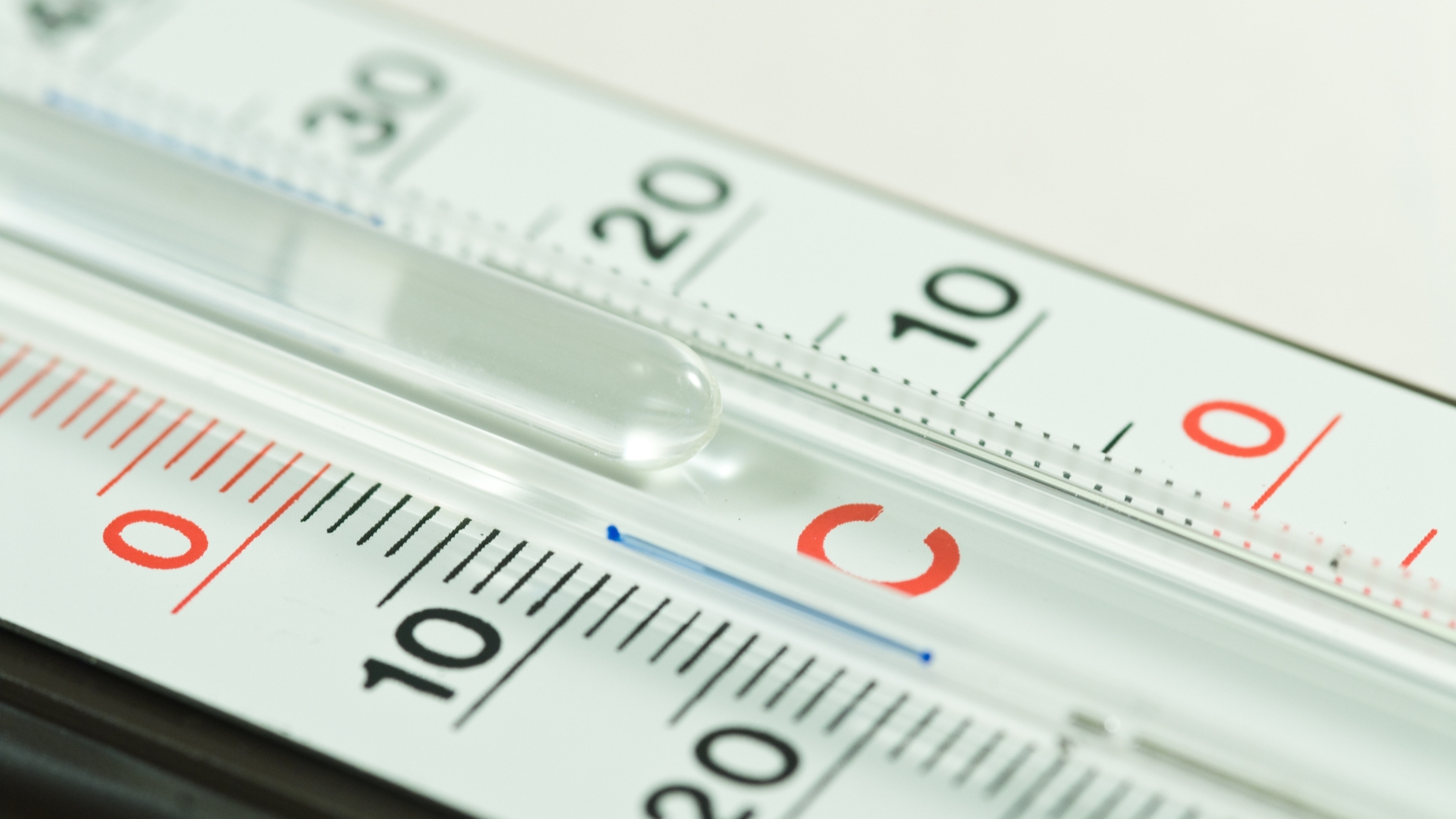
Geographic location is a biggie, obviously. A desert is going to have a vastly different ambient temp profile than, say, a rainforest or the Arctic. Time of day and season play huge roles too – the ambient temperature outside at noon in July is a far cry from midnight in January, wouldn't you agree?
Altitude also matters; it generally gets colder the higher you go. Proximity to large bodies of water can moderate ambient temperatures, making coastal areas often less extreme than inland regions. Even whether you're in a bustling city (hello, urban heat island effect!) or a quiet rural area makes a difference.

Ambient vs. Your "Feels Like" Temperature
Here's a crucial distinction, because our bodies are notoriously unreliable thermometers. Ambient temperature is a measurement of the air itself. It's what a thermometer would read if it were properly shielded from direct sun, wind, and other specific heat sources.
It's not the "feels like" temperature, which takes into account things like wind chill (making it feel colder than it is) or humidity (making it feel hotter and stickier). And it's definitely not the surface temperature of something – like that scorching hot asphalt on a summer day, or the icy cold metal of a car after a winter night. Those are specific heat transfers, not the general air temperature.
So, next time you're debating whether to open that window, or wondering why your phone is running hot, spare a thought for the humble ambient temperature. It's everywhere, influencing everything, and quietly doing its job – often against our best efforts to control it. And who knows, maybe understanding it will make you a little more forgiving of your housemate's thermostat drama. (Probably not, but it's a nice thought, right?)