
What Is Class A Fire Extinguisher Used For

We all love a cozy evening, maybe with a scented candle flickering, or whipping up a masterpiece in the kitchen. Life's little moments are precious, and keeping them safe is surprisingly simple. While we hope to never need one, understanding your fire extinguisher is like having a superpower – the power of preparedness. Today, let's shine a spotlight on one of the most common, yet often misunderstood, heroes in fire safety: the Class A fire extinguisher.
Think of fire extinguishers like a specialized toolkit. You wouldn't use a wrench to hammer a nail, right? The same goes for fires! Each class of fire extinguisher is designed for a specific type of blaze. And the Class A? Well, it's the versatile workhorse, ready for the fires you're most likely to encounter in daily life.
What Exactly is a Class A Fire?
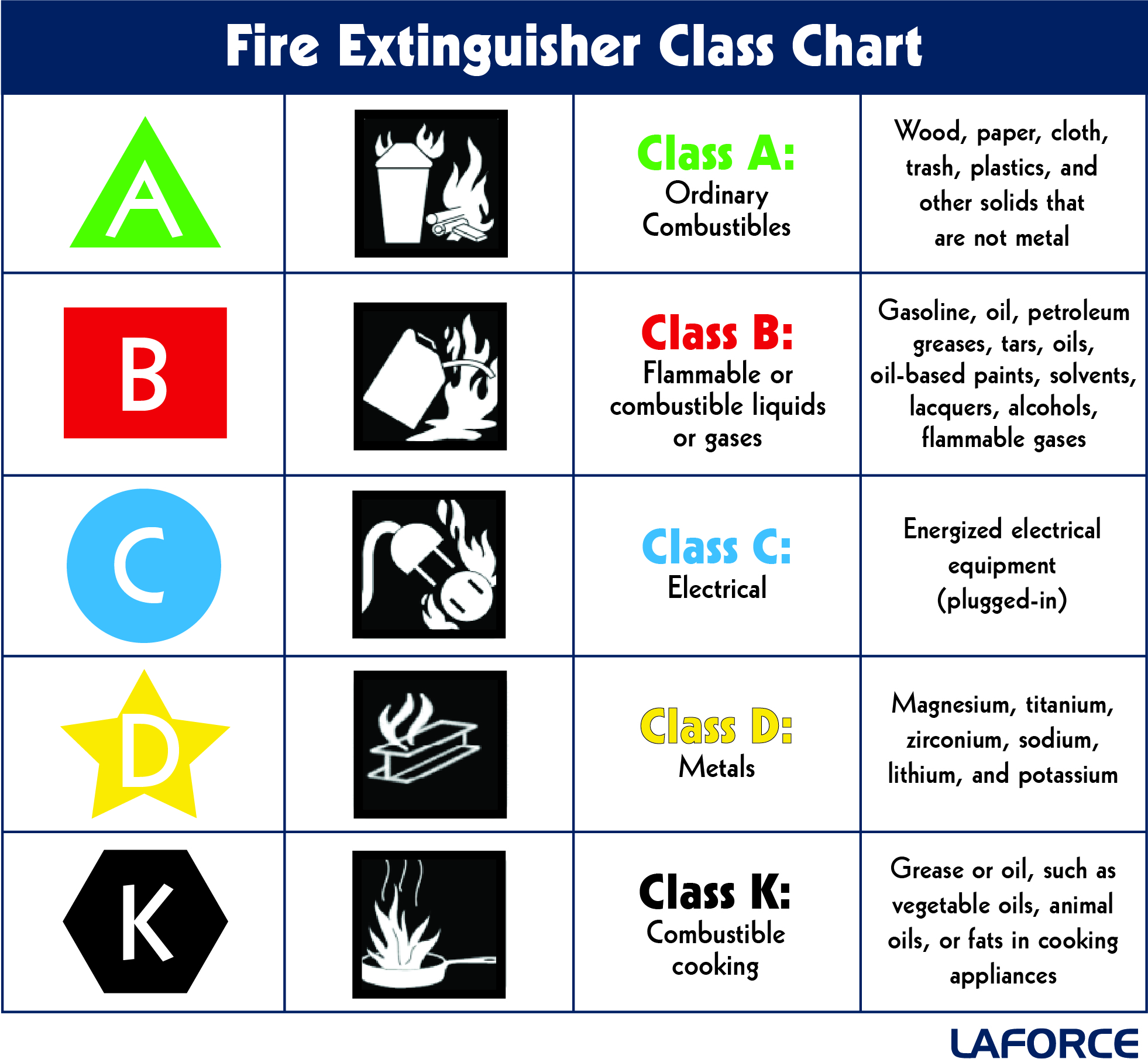
Picture this: a cardboard box accidentally ignites in the garage, a stack of newspapers catches a spark, or even a classic campfire gone a little wild (but still manageable!). These are all examples of Class A fires. They involve ordinary combustible materials. We're talking about:
Must Read
Wood and its products (furniture, decking, paper), cloth and textiles, plastics, rubber, and trash and general waste.
Basically, if it leaves an ash when it burns, it's likely a Class A fire. This makes it incredibly relevant for homes, offices, schools, and pretty much anywhere humans gather and, well, live their lives.
How Does This Hero Do Its Job?
The secret sauce (or rather, secret water) behind most Class A extinguishers is, quite simply, water. Often, they're labeled as APW (Air-Pressurized Water) extinguishers. Some might also contain a monoammonium phosphate-based dry chemical, which is also effective on Class B and C fires, making them ABC extinguishers – a truly multi-talented individual!
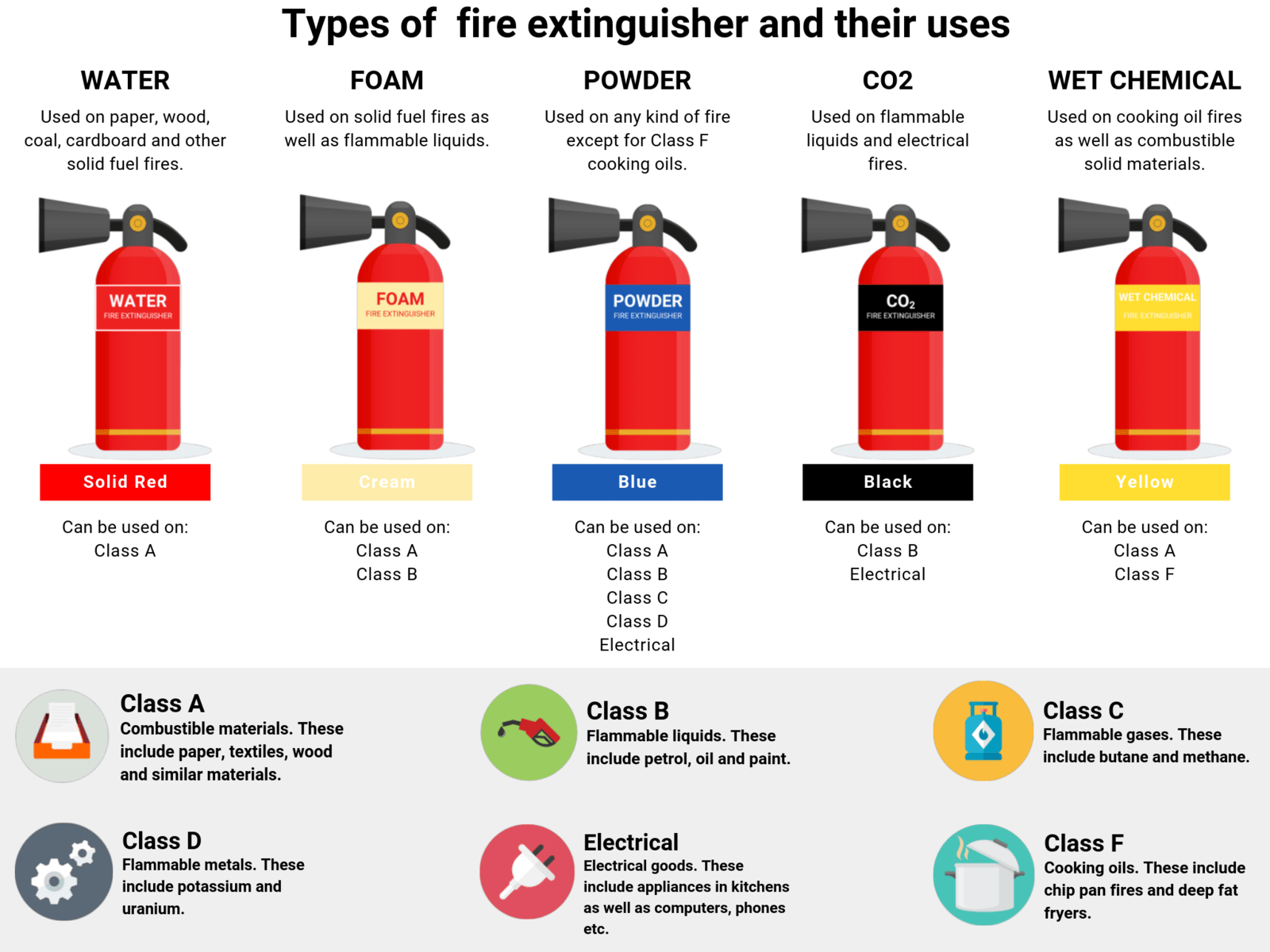
But sticking to our pure Class A champ, the water works in a couple of clever ways:
First, the Cooling Effect: It rapidly lowers the temperature of the burning material, taking away the heat component of the fire triangle. Think of it as giving the fire a serious chill pill.
Second, the Smothering Effect: The water also creates a barrier, preventing oxygen from reaching the fuel and slowing down combustion. It’s like tucking the fire into a very wet, oxygen-deprived blanket.
This dual action is super effective for those solid material fires, stopping them in their tracks before they can escalate into something much scarier.
Where Does Our Class A Buddy Live?
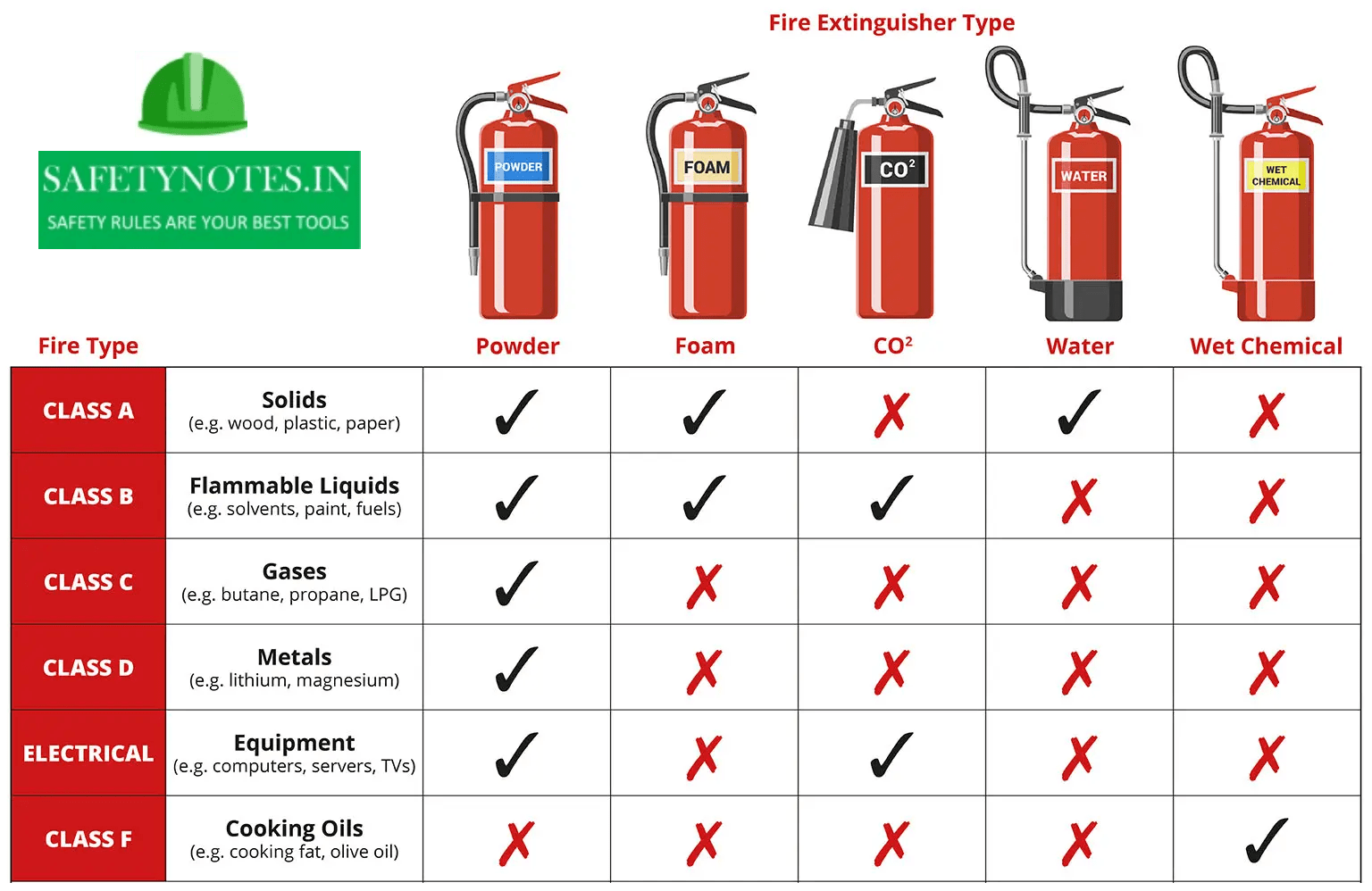
You'll find Class A extinguishers, or more commonly, the versatile ABC type that handles Class A, B, and C fires, in a huge range of places. Look for them:
In your home (especially near living areas, garages, or utility rooms), at the office (usually prominently displayed in hallways), in schools, libraries, and public buildings, and in retail stores and workshops.
Essentially, anywhere there's a risk of wood, paper, or fabric catching fire, you'll want a Class A (or ABC) on standby. It’s the ultimate good neighbor.
Quick Tips from Your Friendly Fire Safety Guru:
Knowing you have one is great, but knowing how to use it, and when not to, is next-level smarts.
Remember PASS: This handy acronym is your guide for using any extinguisher: Pull the pin, Aim low at the base of the fire, Squeeze the handle, Sweep side to side.
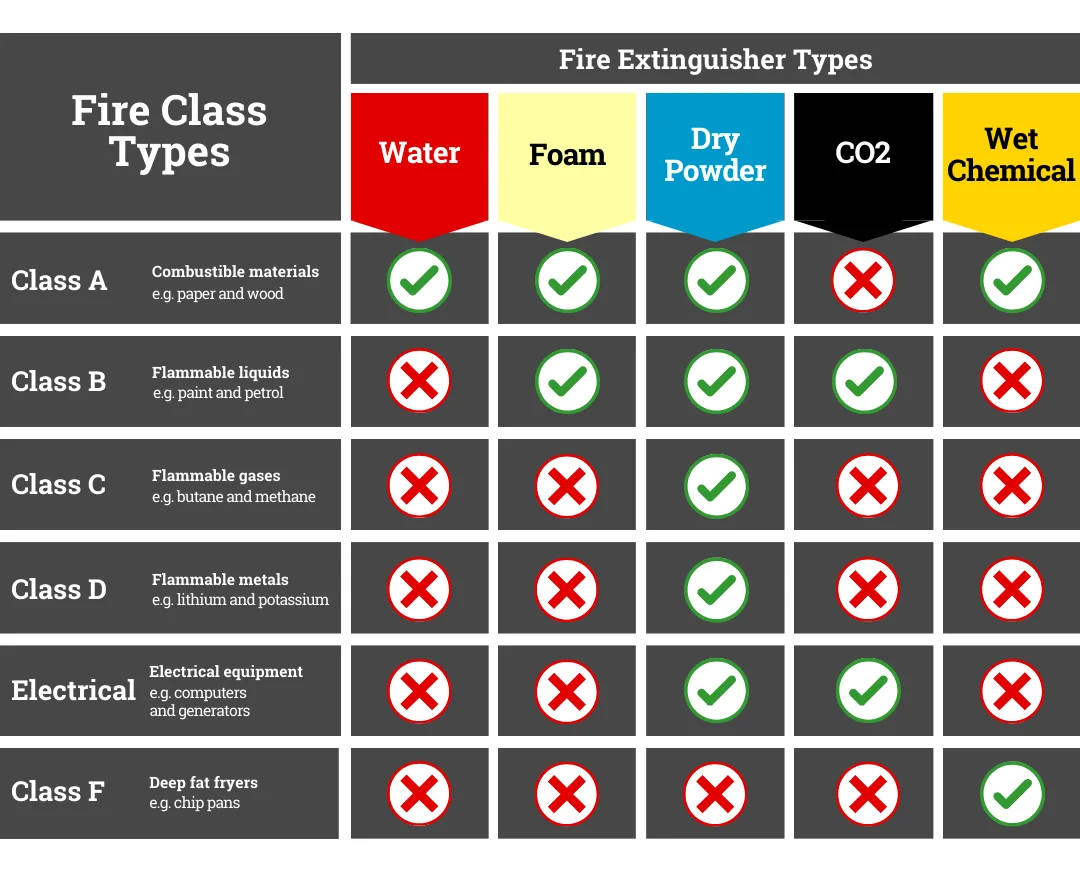
Know Its Limits: While amazing, a Class A is not for grease fires (Class B – think cooking oils) or electrical fires (Class C – think faulty wiring). Using water on these can make things dramatically worse. Always check the label!
Maintenance Matters: Give your extinguisher a quick check monthly. Is the pressure gauge in the green? Is the pin intact? Is the nozzle clear? Just like checking your car's oil, a quick glance ensures it's ready when you need it.
Placement is Key: Mount it in an easily accessible location, away from potential fire hazards but visible and quick to grab. Don't hide it behind a pile of laundry!
A Little History & Reflection:
Did you know the earliest form of a fire extinguisher, a "fire-engine" using water and gun-powder, dates back to 1723 in England? People have been thinking about fire safety for centuries! Our modern Class A extinguisher is a testament to that enduring need for protection, evolving into the sleek, reliable tool we have today.
Ultimately, having a Class A (or ABC) fire extinguisher isn't about inviting disaster; it's about embracing peace of mind. It’s about being prepared, being responsible, and knowing you have a tool that can make a real difference in a moment of crisis. It's a small investment in safety that pays dividends in confidence and security for you and your loved ones. So, next time you walk past that silent sentinel in your hallway, give it a nod – it's got your back.