What Is Burned First Fat Or Muscle

Let's face it, most of us are interested in optimizing our bodies, whether it's to fit into those jeans a little easier, feel more energetic, or just improve our overall health. And a huge part of that is understanding how our bodies burn fuel. Specifically, the burning question: what goes first, fat or muscle? It's a topic riddled with misconceptions and fueled by gym-bro science, so let's dive in and clear things up!
Understanding this process is crucial for anyone looking to lose weight effectively, improve their athletic performance, or simply maintain a healthy body composition. The benefit goes beyond just aesthetics. Knowing how your body prioritizes fuel sources allows you to tailor your diet and exercise routine to achieve specific goals. For instance, someone trying to build muscle needs a different approach than someone primarily focused on fat loss.
The idea that you automatically burn muscle before fat is a common fear, particularly among those who are dieting or increasing their physical activity. We see examples of this fear expressed everywhere. Think about the person who drastically cuts calories and worries they'll lose all their hard-earned muscle. Or the athlete who overtrains and fears their body will start cannibalizing itself. The reality is more nuanced than a simple "fat first" or "muscle first" scenario. Your body prefers to use what’s readily available and efficiently stored.
Must Read
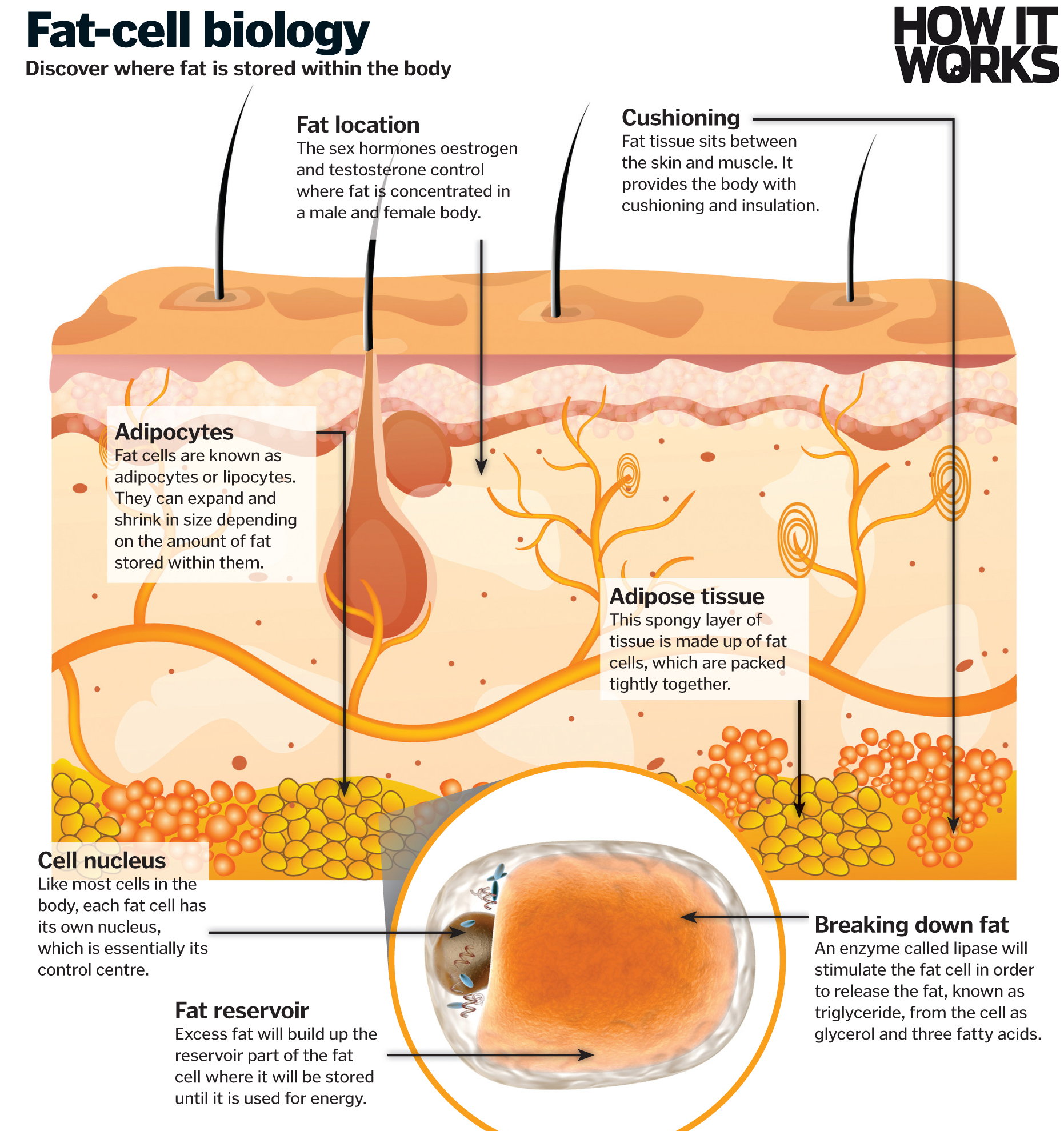
The truth is, your body is constantly using a combination of both fat and carbohydrates (stored as glycogen) for energy. Muscle breakdown (catabolism) primarily occurs when your body is in a prolonged state of starvation, extreme calorie deficit, or subjected to intense, prolonged stress without adequate recovery. While a small amount of muscle protein is used during exercise to repair and rebuild, your body will almost always burn fat for fuel during lower-intensity and longer-duration activities. However, the ratio of fat to carbs used during exercise is influenced by factors like exercise intensity, duration, and your current diet.

So, how do you ensure you're primarily burning fat and preserving muscle? Here are some practical tips:
- Focus on a Moderate Calorie Deficit: Crash dieting is a surefire way to lose muscle. Aim for a deficit of 500-750 calories per day for sustainable fat loss.
- Prioritize Protein Intake: Protein is essential for muscle repair and growth. Aim for around 0.8-1 gram of protein per pound of bodyweight, especially when dieting.
- Incorporate Strength Training: Resistance training signals to your body that it needs to maintain or build muscle mass. Lift weights 2-3 times per week.
- Cardio, but Smart Cardio: High-Intensity Interval Training (HIIT) can be effective for burning fat while preserving muscle. Combine it with lower intensity steady-state cardio.
- Prioritize Sleep: Adequate sleep (7-9 hours) is crucial for hormone regulation and recovery. Lack of sleep can increase cortisol levels, potentially leading to muscle breakdown.
- Manage Stress: Chronic stress can elevate cortisol levels, which can hinder fat loss and promote muscle breakdown. Practice stress-reducing techniques like meditation or yoga.
- Fuel your workouts: Make sure you have the right balance of energy to complete your workouts without needing to dip into your protein stores.
In conclusion, the “fat vs. muscle” debate isn't a straightforward either/or. By understanding how your body utilizes fuel and implementing these practical tips, you can maximize fat loss while preserving and even building muscle, leading to a healthier and more sustainable approach to achieving your fitness goals. Remember, it's about a holistic approach combining diet, exercise, and lifestyle factors for long-term success.