What Is Bronze A Mixture Of
/bronze-composition-and-properties-603730_FINAL2-8f9691ca218e465dac6226d233d46cd1.png)
Ever gazed at a majestic statue in a park, admired the rich sound of a bell, or noticed the gleaming finish on a beautiful sculpture, and wondered what material it’s made of? Often, you’re looking at bronze! It's not just a single metal, but a fascinating blend, and understanding its composition is a wonderfully accessible peek into the world of metallurgy and ancient history. It’s a topic that’s surprisingly fun and incredibly useful, as bronze has shaped our world for thousands of years, from tools and weapons to art and music.
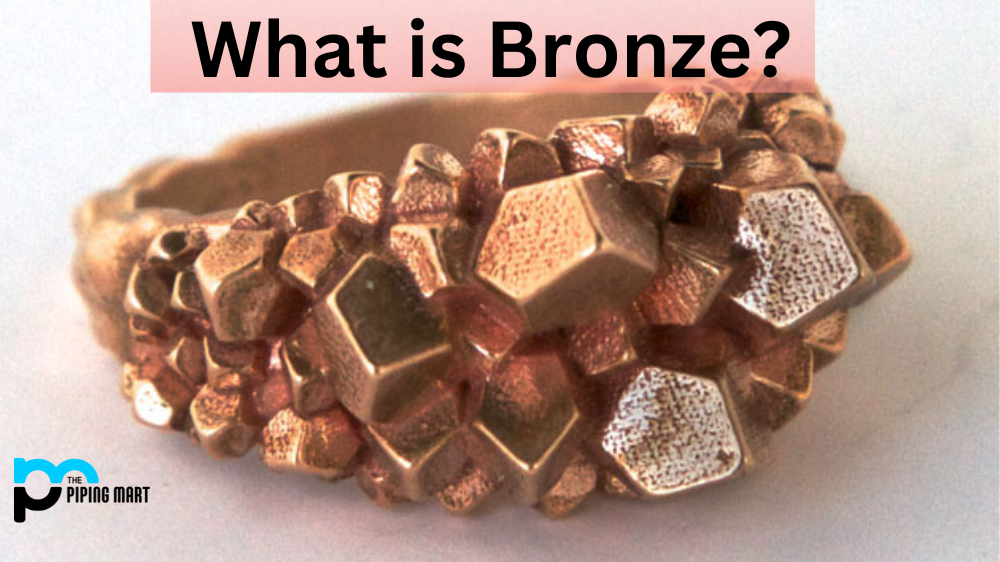
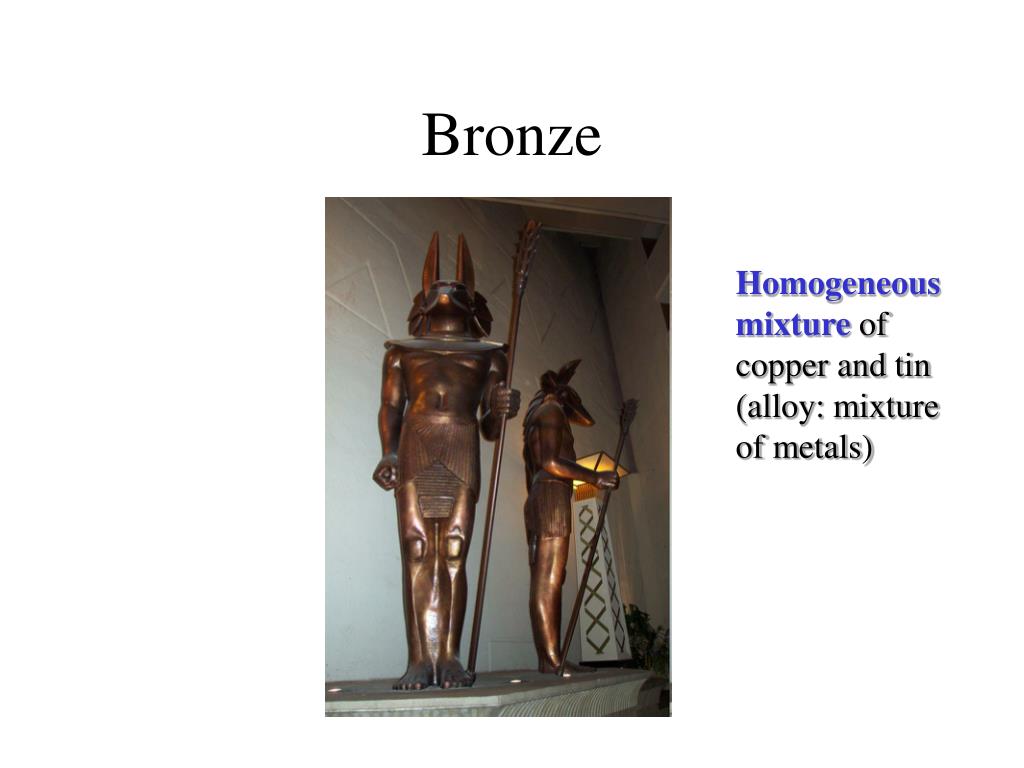
So, what exactly is bronze? At its heart, bronze is primarily an alloy of copper and tin. Copper is the dominant ingredient, giving bronze its characteristic reddish-brown hue, while tin is added to provide strength and hardness that pure copper simply doesn't possess. This simple mixture was a game-changer for early civilizations, marking the end of the Stone Age and ushering in the Bronze Age because it allowed for the creation of much more durable and effective tools, weapons, and decorative objects.
This little piece of knowledge is beneficial for a variety of audiences. For beginners, it’s a perfect introduction to how combining different elements can create entirely new materials with improved properties – a fundamental concept in material science. For families, it's a fantastic conversation starter during museum visits, sparking curiosity about history, art, and the science behind ancient crafts. Imagine pointing out a bronze artifact and explaining how it was made! And for hobbyists, whether you're into history, crafting, or even music, knowing what bronze is made of deepens your appreciation. Artists might understand why sculptors choose bronze, while musicians can appreciate why cymbals often ring with such a unique sound thanks to this specific alloy.
Must Read
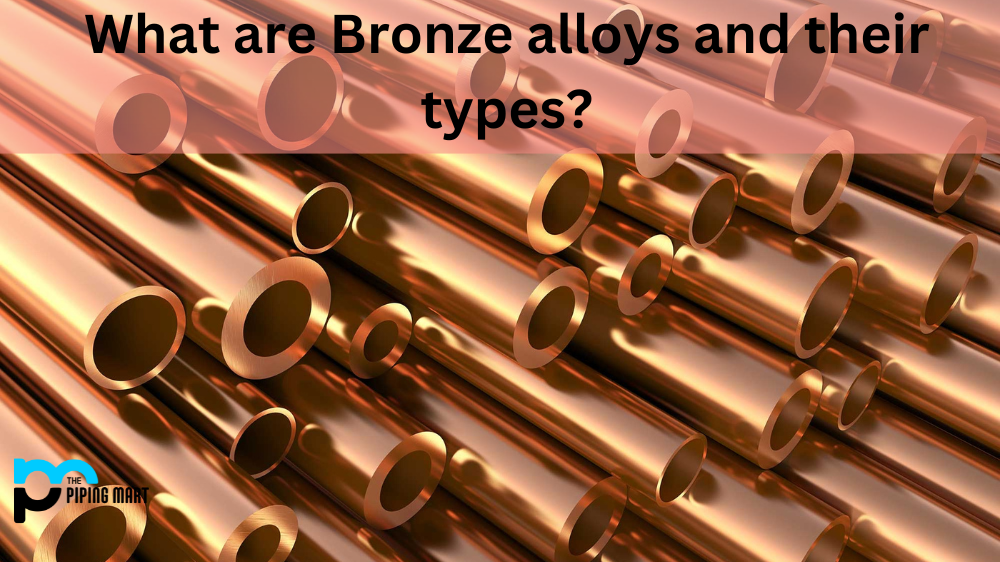
While copper and tin are the core ingredients, bronze isn't always just those two. There are many variations of bronze, where other elements are added to fine-tune its properties for specific uses. For instance, you might encounter phosphor bronze, which includes a touch of phosphorus for increased strength and springiness, ideal for electrical components or springs. Then there's aluminum bronze, which, as the name suggests, contains aluminum, making it incredibly resistant to corrosion and often used in marine applications like propellers. Other additions like manganese or silicon can also be found, each imparting unique characteristics, proving that even a "simple" mixture can be surprisingly versatile.
+and+tin+(Sn).jpg)
Want to delve a little deeper? Here are some simple, practical tips for getting started. First, the next time you visit a museum, actively seek out the bronze artifacts and read their descriptions. You'll likely see information about their age and sometimes even hints about their composition. Second, take a moment to really look at everyday objects: that stately door knocker, some plumbing fixtures, or even musical instruments like cymbals or bells – many are made of bronze. Finally, a quick online search for "types of bronze" can open up a fascinating rabbit hole of information about its different uses and historical significance. You'll be amazed at how pervasive and important this ancient alloy remains today.
Understanding what bronze is – a strong, versatile alloy of copper and tin, often with other elements – doesn't just expand your general knowledge; it enriches your experience of the world. From appreciating a stunning piece of art to grasping the ingenious solutions of ancient engineers, learning about bronze connects you to a rich tapestry of human history and innovation. So next time you see something bronze, you'll know it's not just a metal, but a truly remarkable mixture!