
What Is Another Term For Income Statement
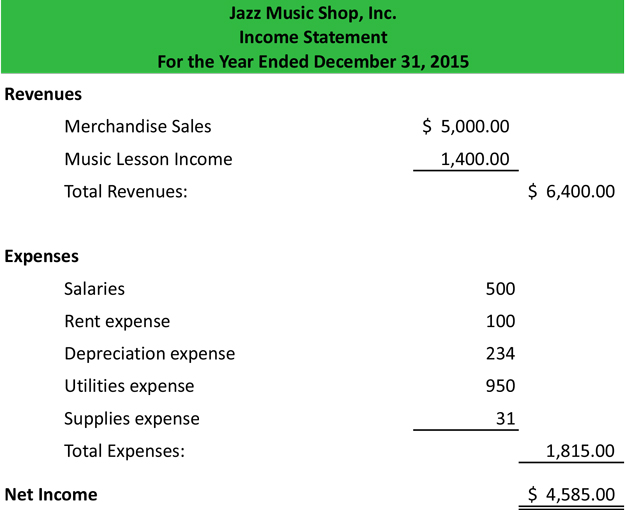
Ever heard someone throw around the term "Income Statement" and felt your eyes glaze over like a donut left out in the sun? Fear not, friend! It's not some secret financial code designed to confuse the masses. It's actually a pretty straightforward concept, and guess what? It goes by another name, a name that's WAY less intimidating: the Profit and Loss Statement, or simply, the P&L!
P&L: Your Financial Story in a Nutshell
Think of the Income Statement, or P&L, as a story. A story about how much money you (or a business) made and how much you spent over a certain period. It's like the financial version of "happily ever after," hopefully with more "happily" than "ever after" of struggle!
Imagine you're running a lemonade stand. A very successful one, mind you, the kind that makes Gordon Ramsay weep with envy. At the end of the day, you want to know if all that squeezing lemons was worth it. That's where the P&L comes in! It'll tell you exactly how much money you brought in (your revenue from selling those delicious, thirst-quenching beverages) and how much you spent (your expenses, like lemons, sugar, water, and maybe even a tiny tiara for your head salesperson, your hamster, Mr. Squeaky).
Must Read
Revenue: The Sweet Sound of Success
Revenue, also known as sales or income, is simply the total amount of money you earned. It's the grand total before you subtract any expenses. It's the first number everyone wants to know, the one that gets all the the oohs and aahs! In our lemonade stand example, that's all the cash clanging in your piggy bank at the end of the day.
Expenses: Where the Money Went
Expenses are all the costs you incurred to generate that revenue. It's everything you paid for to keep your lemonade stand running. Think of it like this: you gotta spend money to make money! These expenses can be anything from the cost of goods (lemons!) to marketing (a hand-drawn sign that says "Best Lemonade EVER!"), to operating costs (Mr. Squeaky's sunflower seeds – hey, happy employees are productive employees!).

The Big Reveal: Profit (or Loss!)
Now, the moment of truth! After you add up all your revenue and subtract all your expenses, you're left with either a profit or a loss. This is the bottom line, the answer to the age-old question: "Did I make money, or did I just work really hard for nothing?"
If your revenue is greater than your expenses, you've got a profit! Cue the confetti and celebratory dances! This means your lemonade stand is thriving, and you're well on your way to becoming the next beverage empire mogul! On the other hand, if your expenses are greater than your revenue, you've got a loss. Don't panic! It happens to the best of us. It just means you need to tweak your strategy, maybe find a cheaper lemon supplier or fire Mr. Squeaky and get a cheaper, less demanding gerbil!
Why Bother With a P&L?
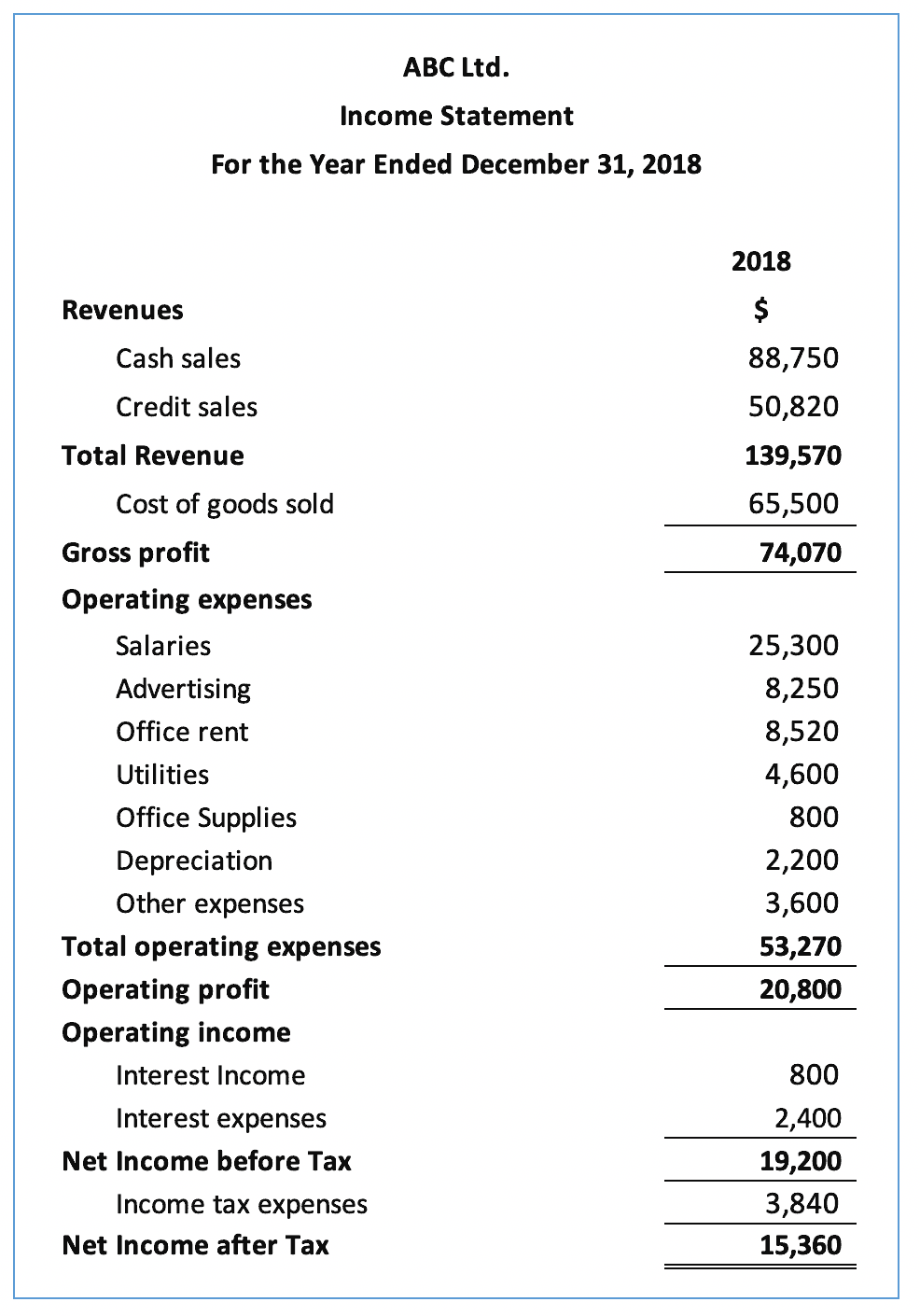
Okay, so why is this Profit and Loss Statement, this Income Statement, so important? Well, it's like a report card for your business (or your personal finances, if you're really dedicated!). It shows you how well you're performing and helps you make informed decisions. Are your marketing efforts paying off? Are your expenses too high? The P&L has all the answers, or at least it points you in the right direction.
Think of it this way: If you never looked at your P&L, you might think your lemonade stand is doing great just because you're busy all day. But what if you're spending more on fancy paper cups than you're actually making in profit? Without a P&L, you'd be blissfully ignorant, slowly going bankrupt while serving lemonade in style!

So, the next time you hear someone mention an Income Statement or P&L, don't run for the hills! Remember it's just a fancy term for a simple concept: a story of how much money you made and how much you spent. And who knows, maybe understanding your P&L will be the first step toward building your own lemonade empire!
"Accounting is the language of business." - Warren Buffett (probably talking about P&Ls)
