What Is Adt In Healthcare
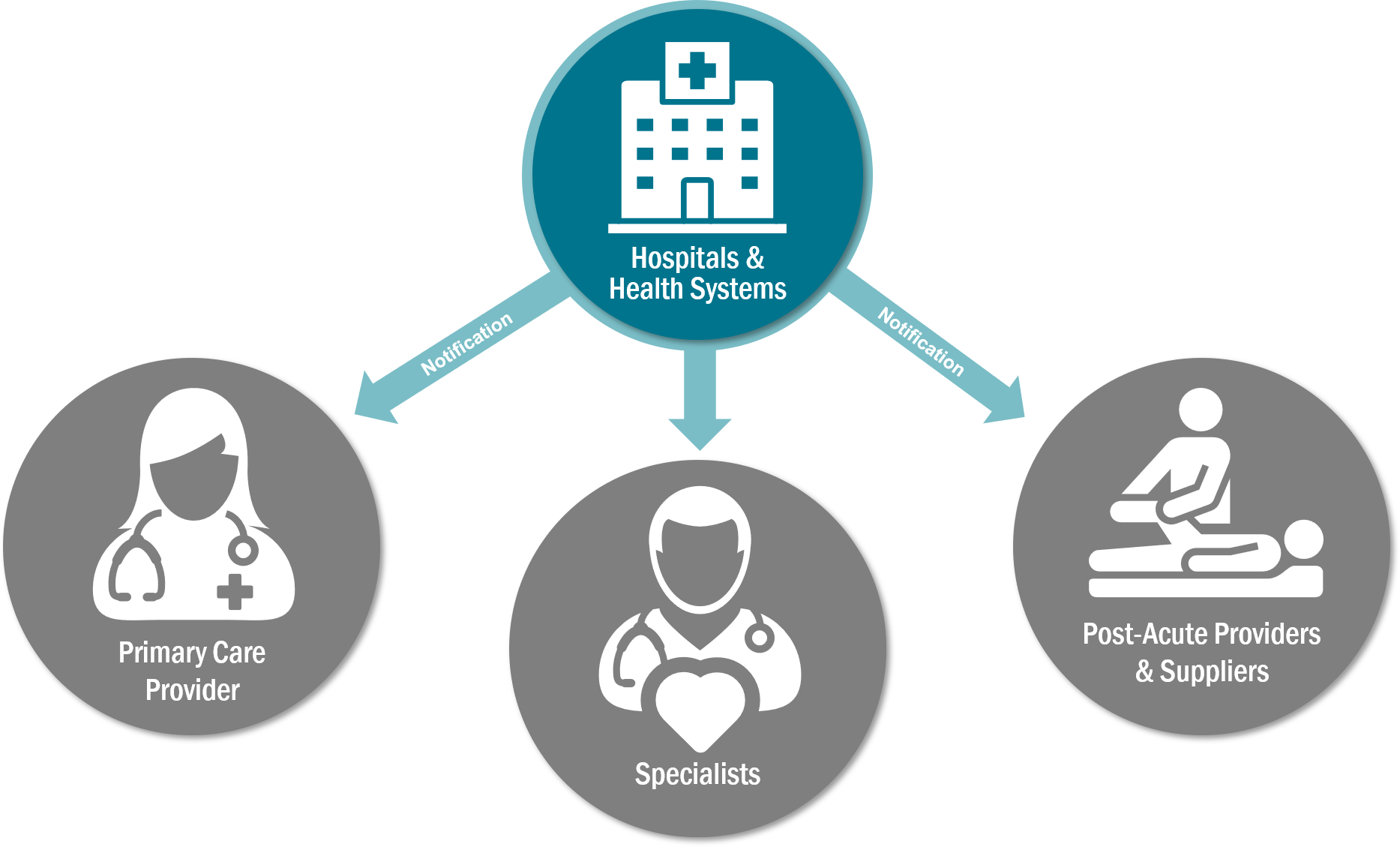
Ever found yourself in a hospital, maybe for a quick visit, maybe for a bit longer, and noticed the sheer amount of behind-the-scenes hustle? It’s like a meticulously choreographed dance, but instead of tutus, everyone's wearing scrubs and trying to find a working pen. Amidst all that organized chaos, there’s an unsung hero, a quiet powerhouse working tirelessly to make sure your journey through the healthcare system isn’t just a random walkabout. We’re talking about ADT.
No, it's not a new super-vitamin, nor is it that security system your grandma has. In the healthcare world, ADT stands for Admission, Discharge, Transfer. Think of it as the ultimate GPS for your medical adventure, making sure you're always where you need to be, and your information follows along like a well-behaved puppy.
Admission: The Grand Entrance
Picture this: You’ve finally decided to get that thing checked out – whether it’s a wonky knee or a mysterious cough that sounds like a dying walrus. You arrive at the hospital, maybe a bit nervous, probably hungry. This is where Admission kicks in. It's not just about filling out a mountain of paperwork that feels longer than your average novel. Oh no, it’s much more than that.
Must Read
Admission is when the hospital officially says, "Welcome to the club!" They gather all your vital info: your name, address, that allergy to weird tropical fruits, and who to call if you accidentally start speaking in tongues. It’s like checking into a fancy (and sometimes slightly overwhelming) hotel, but instead of asking if you prefer a king-sized bed or a view of the pool, they're asking about your medical history and if you’ve had all your shots. This initial data entry is crucial. It creates your unique patient record, your official medical passport, ensuring that every nurse, doctor, and technician knows exactly who you are and why you're there. Without it, you're just... that person with the walrus cough.
Think of it as the moment your personal quest log begins in a video game. All your medical history, your current mission (getting better!), and your side quests (medications, tests) are officially logged. It’s about making sure the right "player profile" is active so you get the correct healing potions and spell scrolls.
Discharge: The Great Escape
Ah, Discharge. The word itself often brings a collective sigh of relief, right? It’s the healthcare equivalent of finishing a marathon, crossing the finish line, and realizing you can finally go home and sleep in your own bed (preferably without being woken up for vital signs every few hours).
This isn't just about handing you a "you're free!" note and pushing you out the door. Discharge is a meticulous process ensuring you're safe to leave and know exactly what to do next. It involves confirming you're stable, making sure you have all your prescription information (and understand it!), scheduling follow-up appointments, and sometimes even arranging for home care.
It’s like graduating from a very intense, short-term university. You get your "diploma" (discharge instructions), your "course materials" (medication list), and a friendly reminder to apply what you’ve learned (take care of yourself!). From a system perspective, discharge marks your official exit from that specific facility's care. This frees up beds, updates records, and allows the system to accurately track patient flow. Without a proper discharge process, you might accidentally still be "checked in" days later, which messes with everything from billing to bed availability. It's the moment your quest log is updated to "Mission Complete!" and you can return to your village.
Transfer: The Medical Shuffle
Now, for the middle child of ADT: Transfer. This happens when you’re not quite ready to go home, but you’re also not staying put. Maybe you’re moving from the ER to an inpatient room, from the ICU to a less critical ward, or even from one hospital to another for specialized care.
A transfer is essentially a careful handoff. It’s like being passed a precious (and sometimes grumpy) parcel – you! The goal is to move you seamlessly while ensuring your medical information moves right along with you. Imagine trying to explain your entire medical history to every single new nurse or doctor you meet during a transfer. Exhausting, right? That’s where the ADT system steps in.
When you're transferred, all your meticulously collected data, your progress notes, your medication schedule, and even that weird allergy to tropical fruits, all get digitally bundled up and sent ahead to your new location or department. It's like changing seats on a long-haul flight, but your luggage (your medical record) automatically teleports to the new overhead compartment. This ensures that the next care team knows exactly where you left off, preventing medical errors and avoiding that awkward "So, what exactly are we treating here?" conversation. It’s about continuity of care, making sure your healing journey stays on track, no matter where in the facility you are.
Why ADT Matters: The Unsung Hero
So, why should you, the patient, care about ADT? Because it's about patient safety, efficiency, and ensuring you get the right care at the right time. A well-oiled ADT system means:
- No Lost Information: Your critical health data doesn't just vanish into thin air during a move.
- Smoother Transitions: Less waiting, less confusion, and less repeating yourself.
- Accurate Billing: You’re charged for what you used, when you used it.
- Better Planning: Hospitals know who's where, which helps manage resources like beds and staff.
Think of ADT as the quiet, behind-the-scenes stage crew for your entire healthcare performance. They might not get the applause, but without them, the show would be a chaotic mess of missed cues and misplaced props. The next time you’re in a healthcare setting, take a moment to appreciate the invisible strings of Admission, Discharge, Transfer pulling everything together, making your journey just a little bit smoother. And maybe, just maybe, give a silent nod to the folks making sure your medical adventure is well-documented and thoughtfully navigated.