What Is A Movement Sensor
Ever found yourself waving your hand to turn on a light, or watching your phone screen magically flip when you turn it sideways? That's not magic, it's the subtle, clever work of a movement sensor! These little technological wonders are everywhere, quietly making our lives easier, safer, and a whole lot more interactive. They’re like the secret agents of the tech world, always on alert, sensing the world around them and reacting without you even realizing it. Exploring what they are and what they do is not just useful, it's genuinely fascinating, opening your eyes to how much subtle tech is embedded in your everyday.
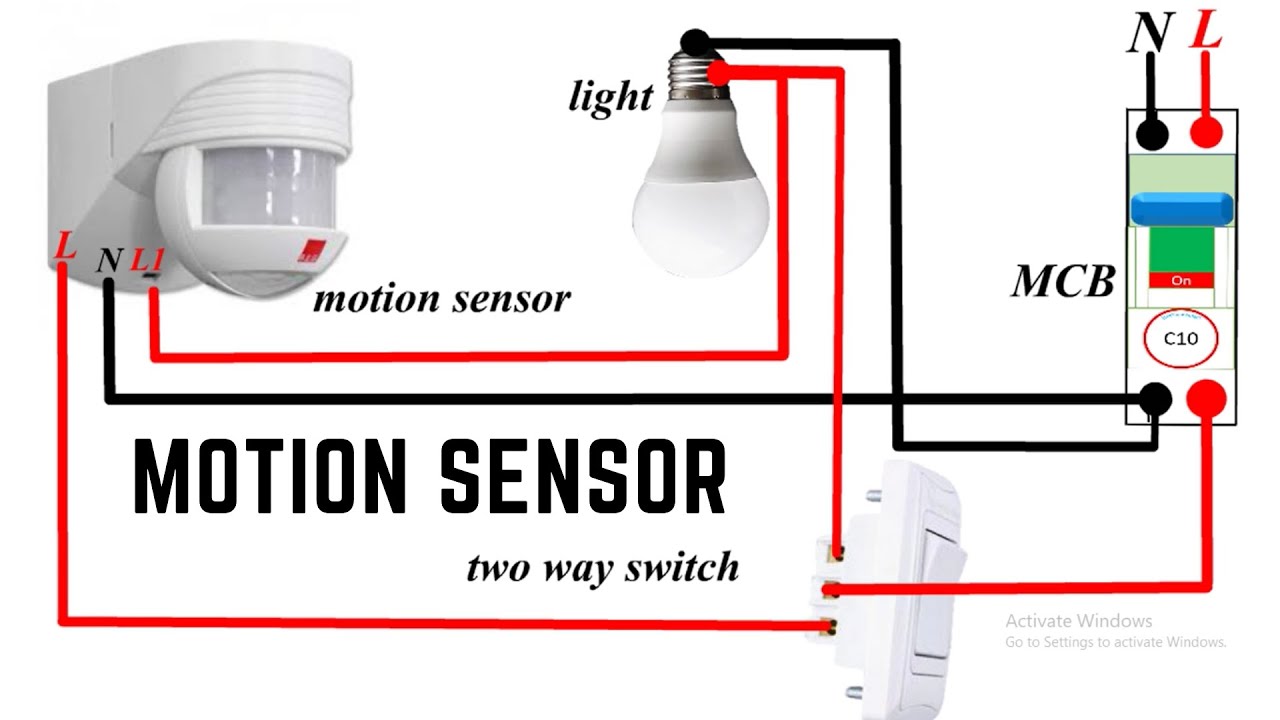
At its heart, a movement sensor is simply a device designed to detect motion or a change in position. For the absolute beginner, think of it as a tiny digital eye that notices when something moves. For families, these sensors are fantastic for everything from boosting home security – imagine a light that turns on automatically when someone approaches your front door – to making playtime more engaging with motion-controlled video games like the Nintendo Switch or Wii. They even help keep an eye on things, like baby monitors that alert you to movement in the crib. For the budding hobbyist, movement sensors are a gateway to creating your own smart gadgets, whether it’s a robot that navigates a room or an automatic pet feeder that dispenses food when your furry friend is near.
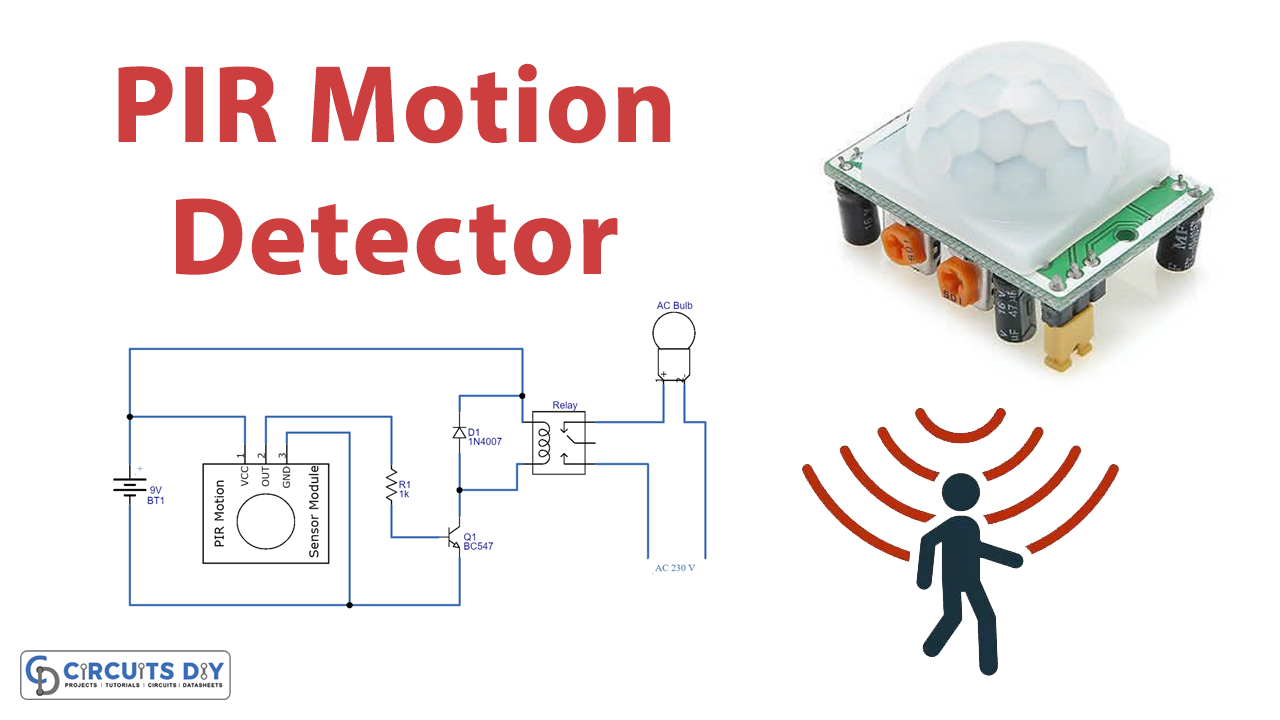
There are many cool variations of these sensors, each with its own superpower. An accelerometer, for instance, measures acceleration and tilt – it's what allows your phone screen to rotate when you turn it. Combine it with a gyroscope (which measures rotation), and you've got the sophisticated tracking found in VR headsets and drones. Then there's the PIR sensor (Passive Infrared), a common hero in security lights, which detects changes in heat, typically from a moving person or animal. And don't forget ultrasonic sensors, which use sound waves to measure distance, often found in self-driving car tech or even those beeping parking assist systems. Each type adds a different layer of "sensing" to the world, making devices incredibly responsive to their environment.
Must Read
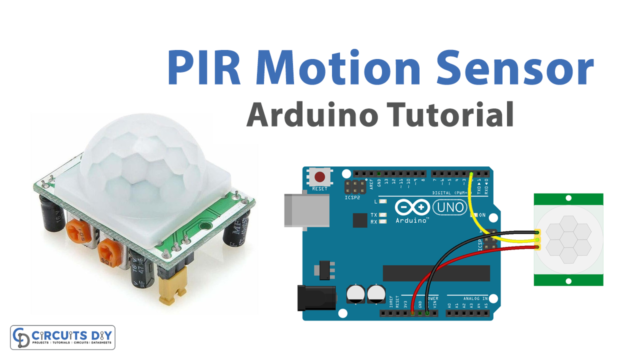
Ready to dabble? Getting started with movement sensors is incredibly easy. Firstly, just start noticing them! Pay attention to how your phone reacts, or how automatic doors open at the supermarket. To get hands-on, you don't need to be an engineer. You can grab a super affordable DIY kit, often centered around a simple micro-controller like an Arduino, and experiment with a basic PIR sensor. Online tutorials are plentiful, guiding you step-by-step to wire it up and make an LED light up when it detects motion. It's a fantastic, low-stakes way to understand the magic firsthand and see your first piece of tech react to you.
Ultimately, movement sensors are more than just clever bits of silicon; they are key to making our technology feel alive and intuitive. From the convenience of an automatically rotating screen to the comfort of enhanced security, they enrich our daily lives in countless subtle ways. So next time your phone flips its screen or a light turns on just when you need it, take a moment to appreciate these tiny, vigilant sensors making the world a more responsive and wonderfully interactive place.