What Is A High Carbon Monoxide Level

Let's talk about "high." It's a funny word, isn't it? Like, a "high five" is great. "High expectations" can be a bit much. "High heels" are definitely a commitment. But then there’s the kind of "high" we need to chat about today: Carbon Monoxide levels. And frankly, my unpopular opinion? We all secretly agree that defining "high" for anything is a bit like trying to decide if there’s "too much" glitter. Once it's there, it's pretty much "high," isn't it?
You see, for most things in life, "high" is a spectrum. A little sprinkle of cinnamon? Delightful. A mountain of it on your toast? That's what we call "high." Your phone battery at 80%? Good. Your phone battery at 2%? That’s definitely "high stress." We get it. We intuit it. But with Carbon Monoxide, the "high" threshold feels a little less intuitive. It’s not like you can just sniff the air and say, "Mmm, a slight hint of invisible, odorless danger today."
The Great PPM Mystery
This is where the scientific folks bust out terms like PPM. Sounds very official, right? Like something a very serious person in a lab coat would say while holding a clipboard. PPM stands for Parts Per Million. And if you're like me, your eyes glaze over a tiny bit right around "million." It's a big number. It makes it sound like we're talking about something so minuscule, it barely counts. Like, if you owe me one part per million of a cookie, I'm probably not going to chase you down.
Must Read
But when it comes to Carbon Monoxide, those little PPMs pack a punch. It's not like that one lonely goldfish in a giant ocean. Oh no. Even a small number of these invisible little trouble-makers can start causing a fuss. It’s like discovering one tiny glitter particle on your cheek. You think, "Harmless." Then you see another, then another, until suddenly, you're sparkling like a disco ball. That's how CO works, but without the fun. My unpopular opinion here is that we should just rename PPM to something more dramatic, like "Potential Problem Markers" to really drive the point home.
"A little Carbon Monoxide is like a tiny, polite house guest you didn't invite. A lot of it? That's when the polite guest starts rearranging your furniture and hogging the remote."
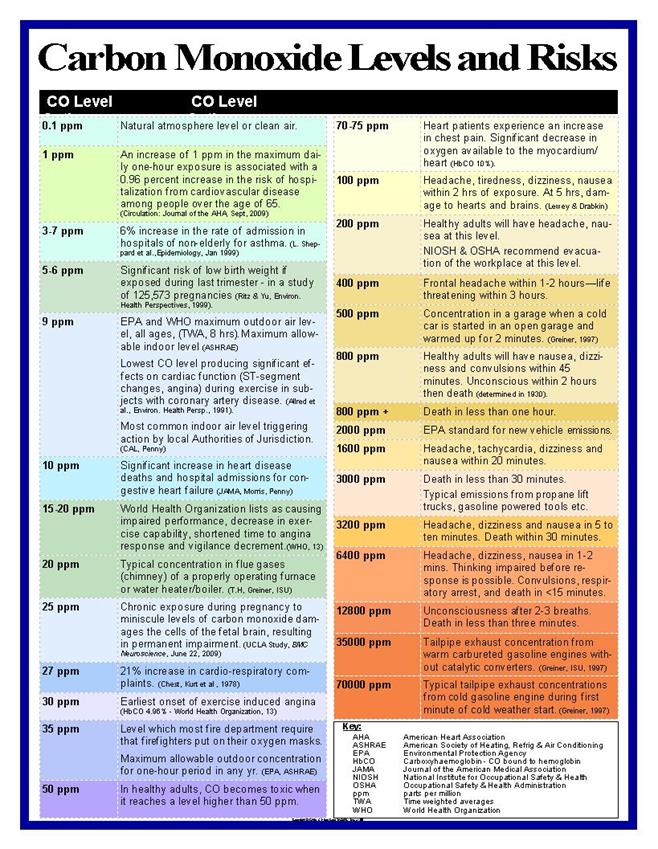
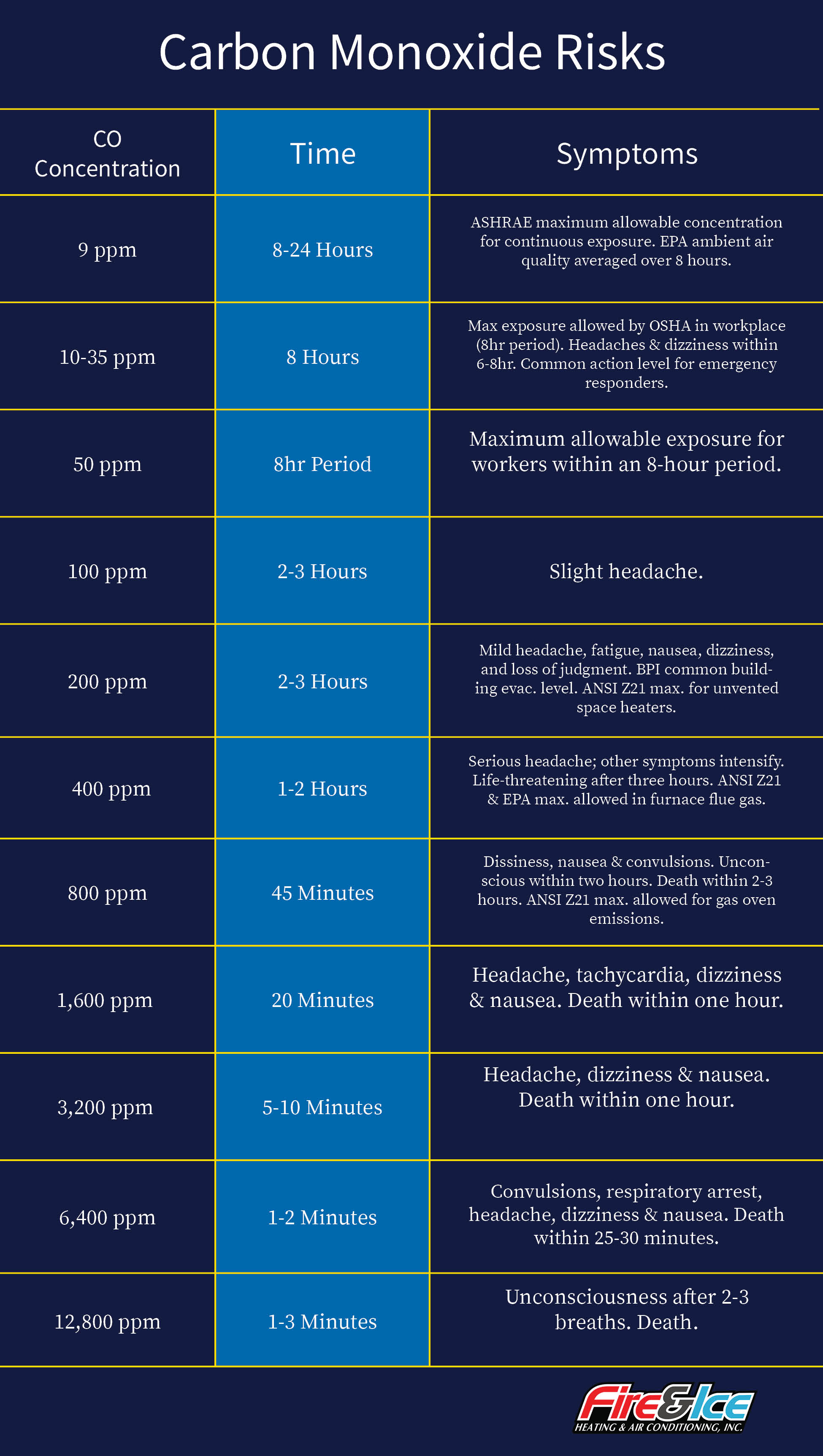
So, what's a "high" level of CO? Let's ditch the lab coat and put on our comfy slippers. Imagine your house is usually a calm, happy place. A few PPM might be like a neighbor's dog barking faintly in the distance. Annoying, but not critical. This could be 1-9 PPM. You probably won't even notice. Your detector might give a little chirp, or maybe not even bother.
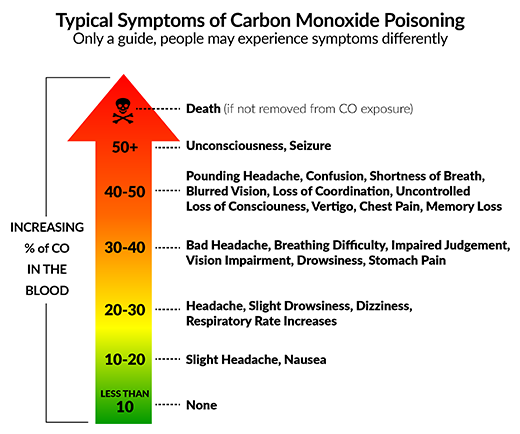
Now, let's turn up the volume a bit. What if that dog is now barking right outside your window? Maybe a bit louder? That's like getting into the 10-35 PPM range. This is where prolonged exposure might start giving some people a tiny, whisper-of-a-headache. You might think, "Gee, did I sleep funny?" or "Is it Tuesday already?" It’s subtle. It’s sneaky. It’s like that one sock that always goes missing in the laundry – you know something’s off, but you can’t quite put your finger on it.
Okay, the dog is now trying to sing opera. And it’s not very good. This is where things get interesting, around 35-70 PPM. Now, we're talking about a definite, undeniable headache. Maybe some dizziness. You might start feeling a bit queasy, like you ate too much questionable carnival food. This is the point where you stop blaming Tuesday and start thinking, "Hold on a minute..."
When "High" Becomes "Houston, We Have a Problem!"
Beyond that, it's less like an opera-singing dog and more like a full-blown rock concert in your living room. When you hit levels like 100 PPM and above, my friends, "high" transforms into "seriously, get out." These are the numbers where nausea becomes undeniable, your headache turns into a drum solo, and that dizziness feels like you're on a very fast, spinning ride at the fair. Fast exposure at these levels can knock you down faster than you can say, "Is that a carbon monoxide detector in my house or just a very judgmental smoke alarm?"
And if we're talking about 150 PPM and higher, we're officially in the "this is not a drill, evacuate immediately" zone. Anything above 200 PPM starts leading to confusion, disorientation, and can very quickly become life-threatening. This isn't just a high level; this is "game over" territory. This is where Carbon Monoxide earns its chilling nickname: the silent killer. Because you don't smell it, you don't see it, but it certainly sees you.
So, my cheerful, slightly irreverent take on "What is a high Carbon Monoxide level?" It's when any tiny bit of it is detected, you should probably pay attention. And when it gets to those higher PPM numbers, it's not just "high" – it's an urgent invitation to open windows, get fresh air, and call for help. Because unlike glitter, which you can just vacuum up (eventually), Carbon Monoxide is a party pooper you definitely don't want sticking around.