What Is A Billing Address For A Credit Card
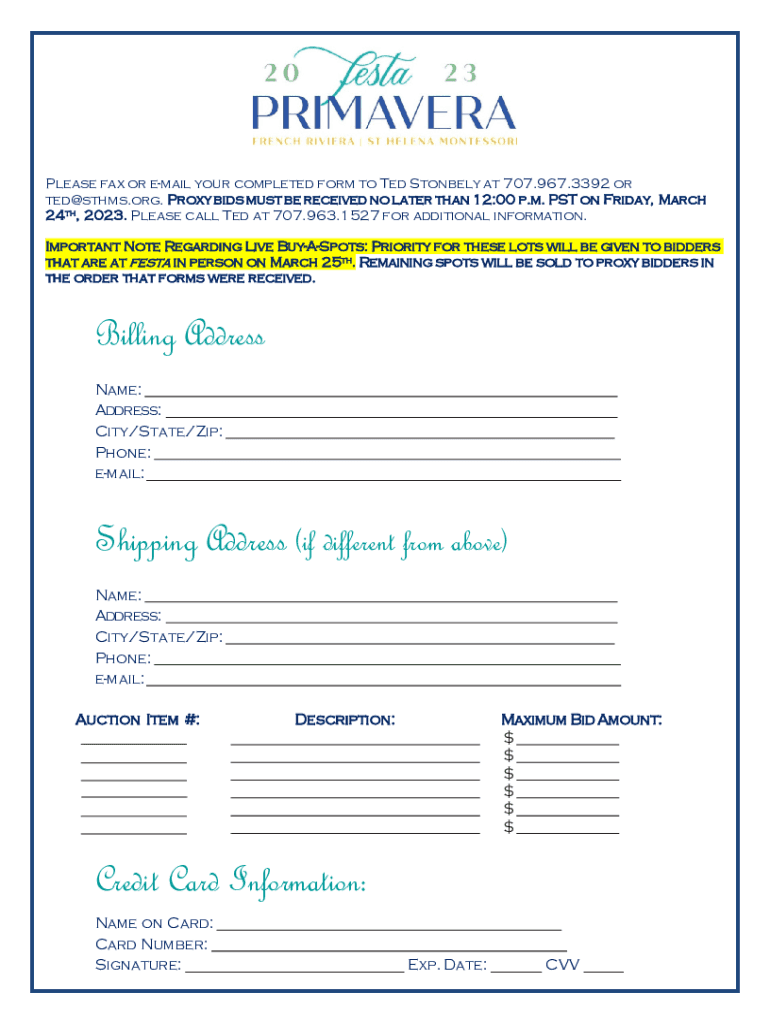
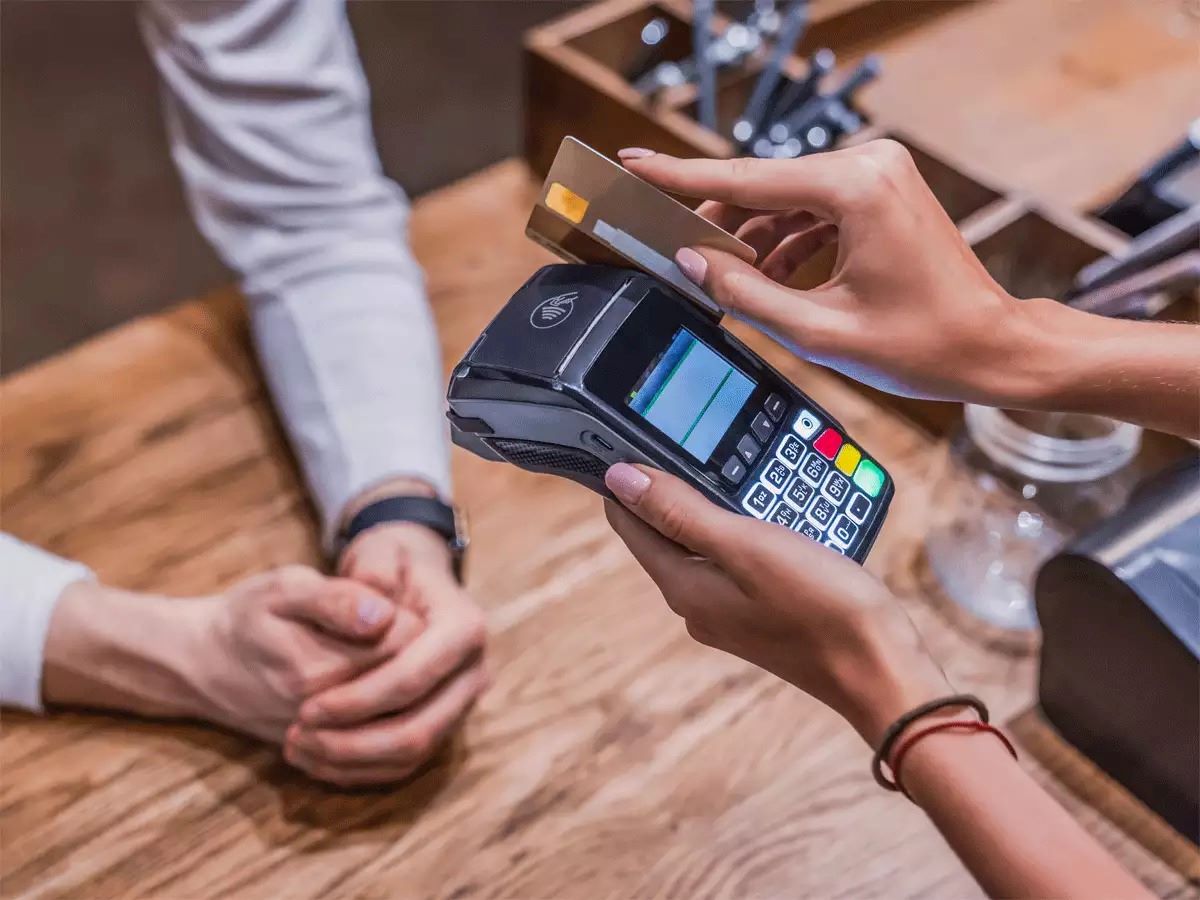
Ever been in the middle of an exciting online shopping spree, just about to hit "confirm order" on that fabulous new gadget or cozy sweater, when suddenly a little box pops up asking for your billing address? You pause. You might even blink a few times. Is it your home address? Your work address? The address of that really great coffee shop you sometimes get mail at? It can feel like a mini pop quiz standing between you and your much-desired purchase!
Well, take a deep breath and grab a warm beverage, because we're about to demystify the billing address. It's not a secret password or a trick question. In fact, once you get it, you'll see it's actually a pretty neat little tool that works for you. Think of it as your credit card’s very own "home address" – and it's got a superpower!
So, What Is This Mysterious Billing Address?
Simply put, your billing address is the address that's on file with your credit card company or bank. It’s the official address they have listed for your account, usually where they send your statements (even if you get them digitally now!). It's not necessarily where you currently live, but where your bank believes you live. Imagine your credit card has an ID card, and this is the address printed on it. It’s the official residence of your credit card account.
Must Read
It sounds straightforward, right? And it totally is! But this simple piece of information plays a surprisingly big role in keeping your money safe and your online purchases smooth.
The Billing Address: Your Silent Security Guardian
Here’s where the superpower comes in. The billing address is one of your credit card's most important security features. When you shop online, the merchant (the store you're buying from) sends the details of your purchase, including your card number, expiry date, and yes, your billing address, to your bank for approval.
![[How To] Change The Billing Cycle Of SBI Credit Card – Card Maven](https://cardmaven.in/wp-content/uploads/2022/11/Change-Billing-Cycle-SBI-Credit-Card.png)
Your bank then does a quick check, almost like a bouncer at a fancy club checking IDs. It asks, "Does this address match exactly what we have on file for this card?" If it matches, great! Access granted. If it doesn't match? Bzzzt! The transaction gets flagged or denied. This little dance is called the Address Verification System, or AVS for short, and it's your personal financial bodyguard.
Why is this such a big deal? Imagine someone manages to get hold of your credit card number – maybe they snatched it from a shady website or you accidentally dropped it near a mischievous raccoon (hey, it could happen!). If they try to buy a fancy new TV online, they'll likely have your card number and maybe even the security code. But chances are, they won't know your exact billing address. That's their roadblock! Without that matching address, their fraudulent purchase hits a brick wall, and your money stays safely in your pocket. See? Superpower!
When Does It Pop Up?
You'll encounter the billing address question most often when you're:
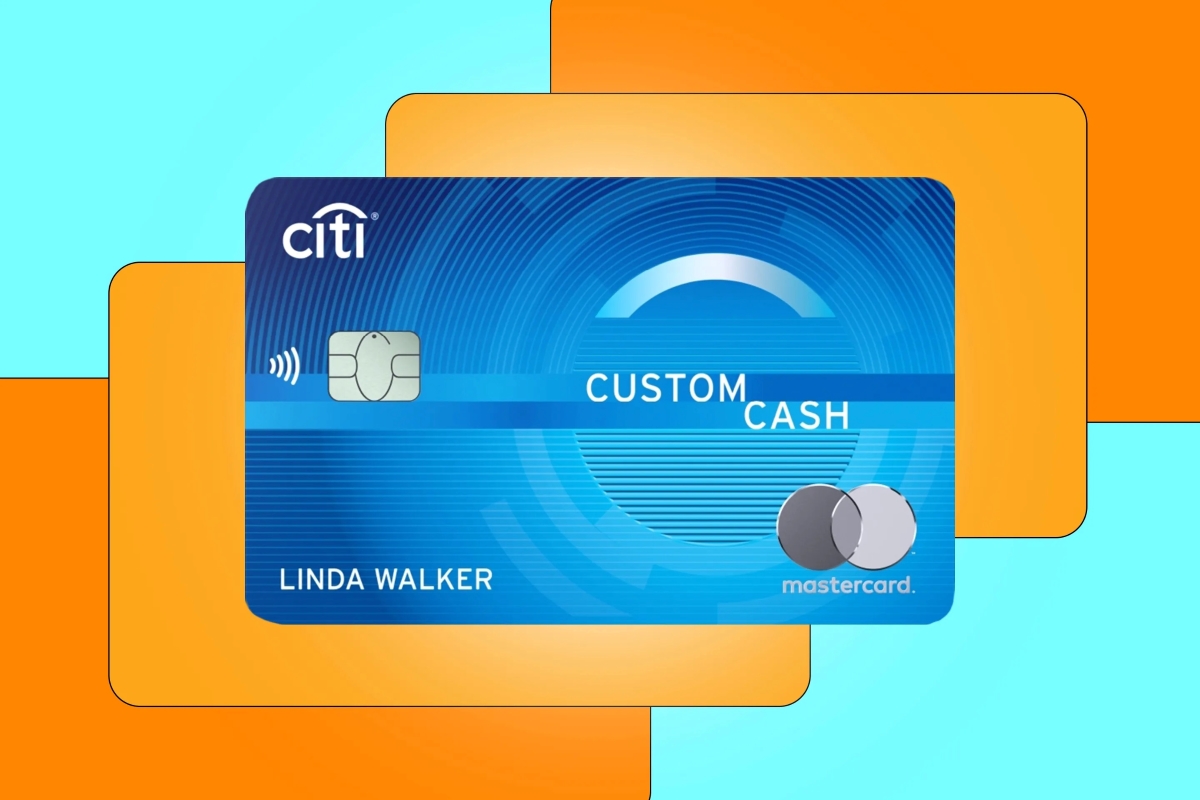
- Shopping online: This is the big one! Every time you check out, expect to type it in.
- Placing an order over the phone: Customer service reps will often ask for it to verify your identity and prevent fraud.
- Setting up recurring payments: Subscriptions, utility bills, or streaming services might ask for it initially.
It's like a friendly little "security check" that's always got your back, ensuring only you (or someone you've authorized) are using your card.
The Little Hiccups (and How to Avoid Them!)
So, we know the billing address is a superhero, but even superheroes have their kryptonite! The most common reason for a denied transaction isn't necessarily fraud, but simply a mismatch in the billing address you entered versus what your bank has. This can happen if:
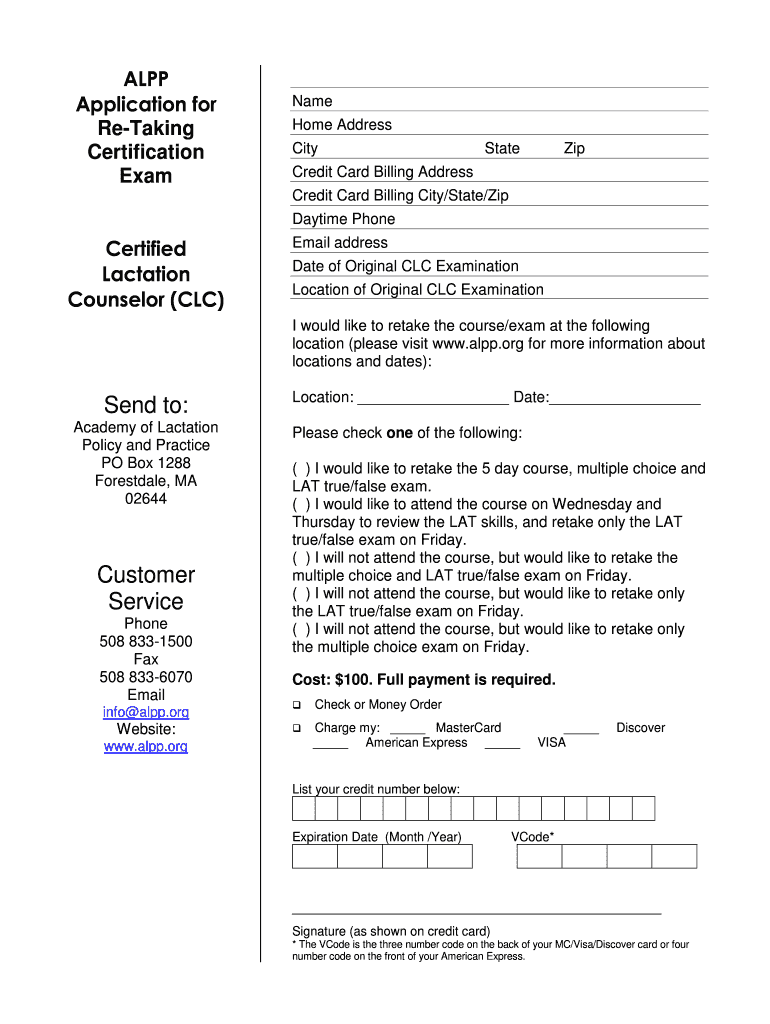
- You recently moved: Congratulations on the new digs! But if you didn't update your address with your credit card company, online purchases might get stuck.
- A typo sneaks in: We've all done it. A stray number, a missing letter, or even an incorrect abbreviation (e.g., "Street" vs. "St.") can throw the system off. It needs to be exact.
- You're using an old card: If you're using a card that belongs to an old address you haven't lived at in years, that's the address you'll need to use for purchases.
It can be a little frustrating when a purchase gets declined for this reason. You know it's your card, and you want that cozy sweater! But remember, the system isn't trying to annoy you; it's just doing its job, protecting you from potential bad guys. It's like a very diligent but slightly rigid security guard!
How to Keep Your Billing Address Happy (and Your Shopping Smooth)
To ensure your billing address is always ready to do its superhero work without causing you any shopping delays, here are a few tips:
- Know your address: Sounds obvious, right? But specifically, know the exact address your bank has for your credit card.
- Check your statements: Your paper or electronic statement will always show your official billing address.
- Log in online: Most banks allow you to view and update your billing address easily through your online banking portal.
- Call your bank: If you're unsure or need to update it, a quick call to customer service will sort it out.
- Update promptly: Whenever you move, make it a priority to update your address with all your credit card companies.
Wrapping It Up: Your Billing Address, Your Ally
So, the next time that "billing address" box appears, you won't feel stumped. You'll know it's not a hurdle, but a helpful hand. It’s an essential, behind-the-scenes guardian for your financial safety, a simple piece of information that makes a huge difference in protecting you from fraud and ensuring your online shopping adventures are as smooth as butter. It's a small detail with a big job, and now you're officially in on its secret!