What Is 14 Out Of 15 As A Grade
Ever stumble upon something almost perfect? Like a dish that needs just a tiny pinch of salt, or a song with a single note slightly off-key? That feeling of near-flawlessness is what we're exploring today, but instead of food or music, we're talking grades. Specifically, the enigmatic and often sought-after: 14 out of 15. While it might not sound as instantly glamorous as a perfect score, the allure of 14/15 lies in its proximity to perfection, the implication of exceptional effort, and, let's be honest, the bragging rights that come with being so close.
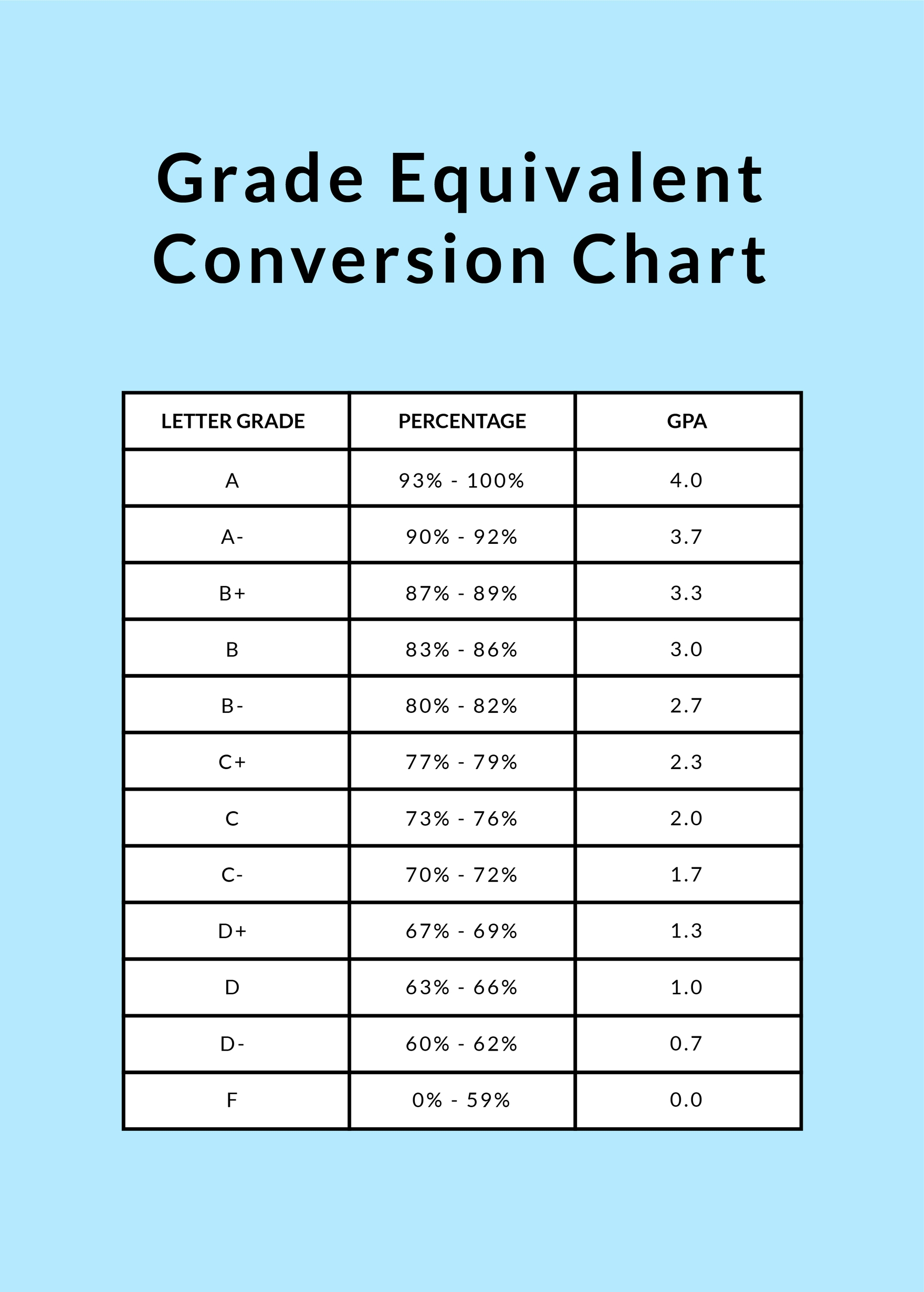
But what exactly is 14/15 as a grade? Technically, it's approximately 93.3%, often translating to an A or A- depending on the grading scale. But beyond the numerical value, 14/15 represents something more. For artists and hobbyists, it's the sweet spot of showcasing skill and demonstrating understanding of technique, while leaving just a smidge of room for improvement. It signifies mastery of most concepts, making it incredibly valuable for personal growth and portfolio building. Think of it as a ‘practically professional’ seal of approval.
The beauty of aiming for 14/15 lies in its adaptability. Imagine you’re a budding photographer. You could explore portraits, capturing the essence of your subject, but maybe the lighting isn't quite right in one area. Or perhaps you're a watercolorist, painting landscapes with vibrant hues, but a single brushstroke could be refined. A writer might craft a compelling story with strong characters and a gripping plot, yet a couple of sentences could benefit from tighter editing. In the realm of coding, a program might execute flawlessly but contain a few lines of inefficient code. The possibilities are endless! The key is to identify areas where you excel while acknowledging those areas for potential future growth. You can explore subjects that demand precision: botanical illustration, architectural rendering, or even recreating famous artworks with your unique twist.
Must Read
So, how do you chase that coveted 14/15 at home? First, focus on mastering the fundamental techniques. Second, be critical of your own work, but don't fall into the trap of harsh self-judgment. Third, seek constructive feedback from others. Fourth, don't be afraid to experiment and take risks! Remember, that "one point" can often be found by pushing your boundaries. Finally, document your progress. Seeing how far you've come is a huge motivator.
The quest for 14/15 isn't about achieving unattainable perfection; it's about embracing the journey of learning and growth. It's about taking pride in your accomplishments, acknowledging areas for improvement, and, most importantly, enjoying the process. It’s a celebration of near-mastery, and a powerful reminder that even in the pursuit of excellence, there's always room for a little bit of playful imperfection. Ultimately, aiming for that slightly-off-perfect score can be more rewarding than aiming for a flawless one, as it fosters a love for continuous learning and self-improvement.