What Happens When A Septic Tank Is Full

Ah, the joys of homeownership! There are leaky faucets, creaky floors, and then there's the
The Subtle Nudges: Your Septic Tank Tries to Talk
Before things get truly dramatic, your septic system usually drops a few hints, like a shy person trying to get your attention. You just have to learn to listen.
First up, you might notice your drains are moving slower than a snail on a leisurely stroll. Your morning shower might turn into a foot bath faster than you’d like, and the toilet? It’ll start to flush with a hesitant, almost
Must Read
Then comes the smell. Oh, the smell! It’s not just a faint whiff; it's an
The Lawn's Lively Secret: A Dead Giveaway
Walk out into your yard. Is there a patch of grass that looks
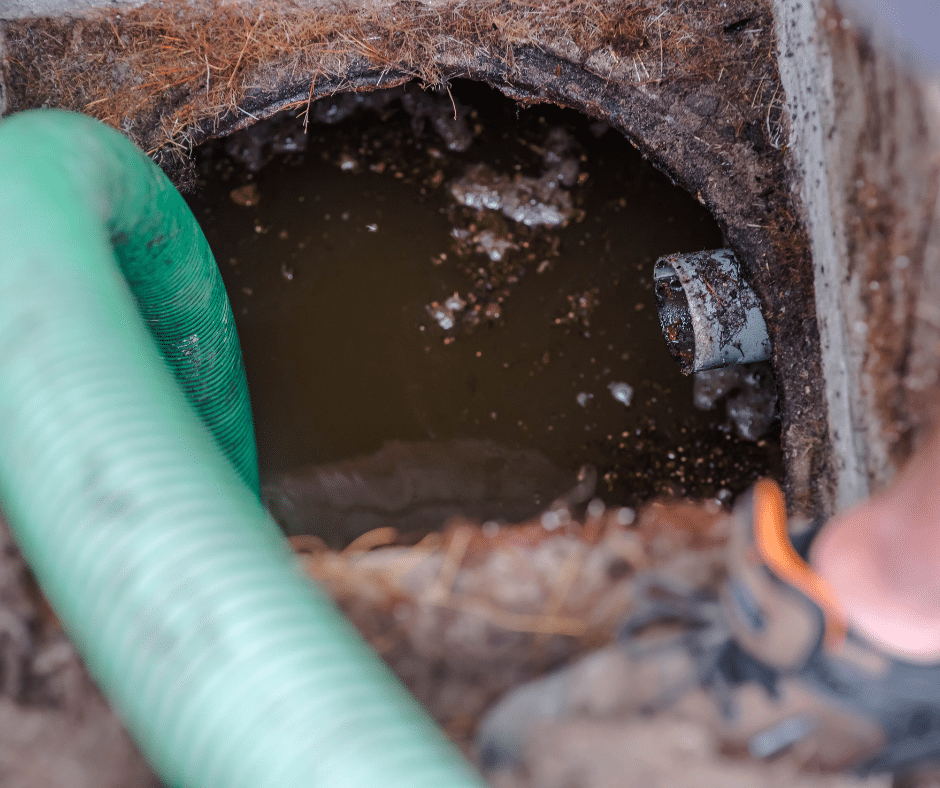
If you're really ignoring the signs, or if the system is truly bursting at the seams, you might even spot standing water or soggy areas in your yard near the septic system. It’s like your lawn has developed an unexpected swampy personality. It's squishy, it's gross, and it's a giant, glaring sign that your system is overloaded.
The "Oh Crap!" Moment: When Things Get Real
Okay, let's talk about the grand finale if you miss all the subtle cues. This is where the funny comparisons end and the mild panic begins. You’ll be going about your day, perhaps flushing the toilet or running the dishwasher, and then BAM! Water starts backing up into your sinks, your shower, or — brace yourself — the toilet. Yes, that’s right. What was supposed to go down is now coming up. It's like your house is trying to return everything you sent it, with interest. And not the good kind of interest.

This is the moment of truth. The "Why didn't I listen to the gurgles?" moment. The "Get me a plumber, NOW!" moment. Because when your septic tank is full and backing up, it's not just an inconvenience; it’s a full-blown emergency. And it’s guaranteed to ruin your day, your week, and possibly your appetite.
So, What's the Solution (And How to Prevent the Horror)?
When you're facing a full septic tank, your first, best, and only course of action is to call a professional septic pumping service. This is not a DIY project for a Saturday afternoon, unless you enjoy truly unpleasant surprises and a lingering aroma. They'll come with a giant truck, a powerful hose, and the magical ability to make all your troubles disappear (into their truck, at least).

To avoid hitting this unfortunate climax, here are a few friendly tips:
- Be mindful of water usage: Long showers, multiple laundry loads, and constant flushing can overwhelm the system. Think of your septic tank as having a limited capacity, like your own bladder after a large coffee.
- Watch what you flush: The three P’s are toilet paper, pee, and poop. Anything else – wipes (even "flushable" ones!), feminine hygiene products, grease, dental floss – is a big no-no. Your septic tank is not a magic disappearance portal.
- Schedule regular pumping: This is the big one. Most tanks need to be pumped every 3-5 years, depending on their size and household usage. Think of it as a regularly scheduled spa day for your underground buddy. It keeps things flowing smoothly and prevents those emergency "Oh crap!" moments.
Living with a septic tank is just part of the rural or suburban charm for many of us. And while the thought of a full one isn't glamorous, understanding the signs and knowing how to prevent it can save you a whole lot of literal headache (and nose-ache!). So, listen to your drains, check your lawn, and give that silent workhorse under your yard the respect—and the pumping—it deserves!