What Happens When A Camshaft Sensor Goes Bad

Hey there, car pal! Grab a coffee, let's chat about something a little bit... finicky. You know how sometimes your car just starts acting weird? Not quite a full-blown breakdown, but definitely not its usual chirpy self? Well, today we’re diving into one of those sneaky culprits: what happens when your camshaft sensor goes bad. Sounds super technical, right? Don't worry, we'll keep it light. Think of me as your car whisperer, but, like, a really casual one.
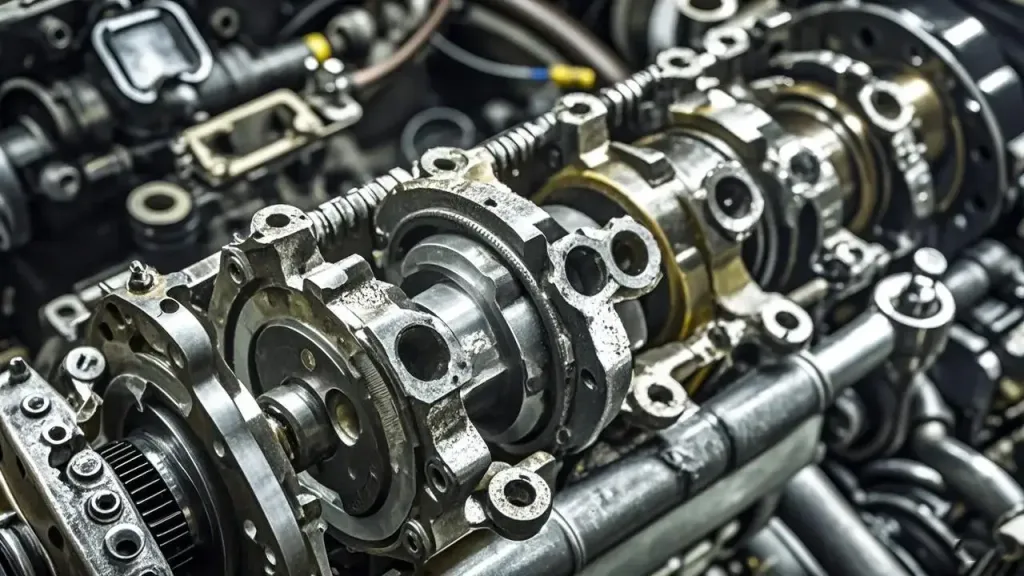
So, first things first, what even is a camshaft sensor? In the simplest terms possible, it's like the engine's little timekeeper. Your engine has these parts called camshafts (plural, fancy, I know) that control when the valves open and close – basically, when your engine can breathe. The camshaft sensor tells your car's computer (the ECM or ECU, if you want to get super specific) exactly where those camshafts are at any given moment. It’s all about precision timing. Think of it as the conductor of an orchestra, making sure everything plays in harmony. If the conductor suddenly decides to take an unscheduled coffee break, things get a little... chaotic, right?
The Drama Unfolds: What You'll Notice
When this little timing maestro starts to falter, your car will definitely let you know. And often, it starts with the most classic, universally dreaded car signal:
Must Read
1. The Check Engine Light (A.K.A. The "Oh, Crap" Light)
Yep, that familiar, often yellow, often ignored, light. It’s usually the first warning sign that something's amiss under the hood. When the camshaft sensor isn't sending reliable signals, your car's computer throws up its hands and says, "Houston, we have a problem!" and illuminates the Check Engine Light. It's like your car's way of texting you, "Uh, you might want to look into this." Don't ignore it, seriously!
2. Rough Idling or Stalling – The Engine's Existential Crisis
Picture this: you're at a stoplight, sipping your (now cold) coffee, and your car starts to feel like it’s got the hiccups. A little shudder, a shake, maybe the RPM needle dances a jig. That’s rough idling. Or worse, it just stalls out completely while you’re waiting for the green light, leaving you feeling just a tad bit embarrassed as you try to restart it. This happens because the engine's timing is off, making it difficult to maintain a steady rhythm at low speeds.
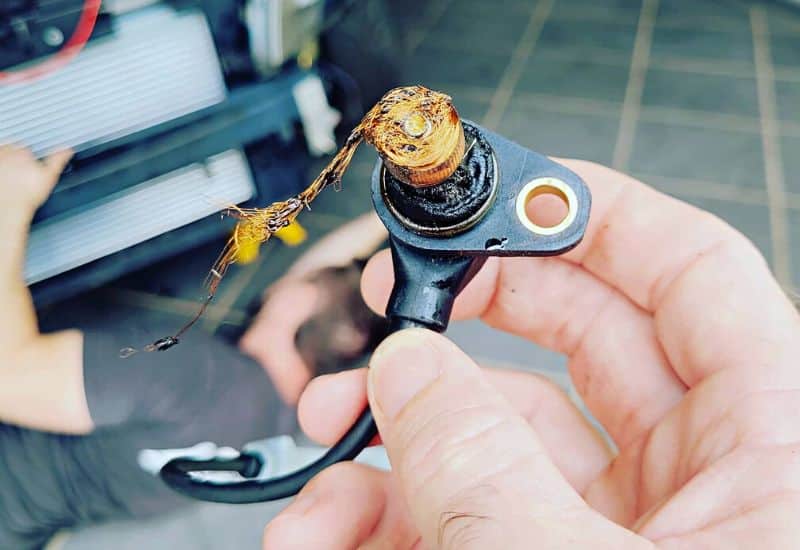
3. Difficulty Starting – The Morning Grumble
Ever turn the key, and your car just... cranks and cranks, but nothing? Or it takes a good few tries before it reluctantly splutters to life? A bad camshaft sensor can absolutely cause starting issues. The car's computer needs that precise timing information to know when to fire the spark plugs and inject fuel. If it's guessing, it's going to struggle to get the engine turning over. It's like trying to start a band practice when half the members don't know the song's tempo.
4. Reduced Power and Poor Acceleration – The Sluggish Snail
So, you put your foot down to merge onto the highway, expecting that familiar surge of power, and... nothing much happens. Your car feels like it’s suddenly acquired the acceleration of a particularly determined snail. Yeah, reduced engine power and sluggish acceleration are classic signs. Without accurate timing info, your engine can't operate efficiently, meaning it can't deliver the oomph you're used to. Passing that slowpoke in the right lane? Forget about it, you're the slowpoke now. (Just kidding, mostly!)
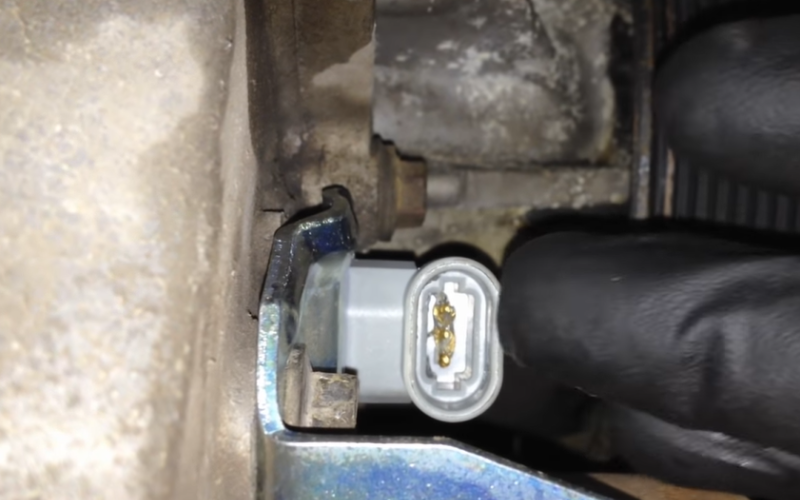
5. Poor Fuel Economy – Making Friends at the Gas Station
Remember that "precision timing" thing we talked about? When the engine's timing is all out of whack, it's basically wasting fuel. It's like over-pouring your coffee every morning – you're using more than you need, and it adds up! So, if you find yourself visiting the gas station more often than usual, and your wallet feels suspiciously lighter, a faulty camshaft sensor could definitely be contributing to that. Your car is literally gulping gas because it's confused.
6. Random Misfires – The Engine's Tantrum
Sometimes, your engine might just shudder and shake sporadically. These are called misfires. It’s like one of your engine's cylinders just decided, "Nah, I'm good, I'll sit this one out." This happens because the fuel isn't burning properly, all thanks to that wonky timing. It can feel like your car is having a mini-seizure, which, trust me, is not a fun sensation when you're driving.

So, What's the Big Deal?
You might be thinking, "Okay, so it's annoying, but is it really a problem?" Oh, my friend, it can be. While a bad camshaft sensor might not leave you stranded on the side of the road instantly (though it certainly can!), it puts extra stress on other engine components and can lead to more expensive repairs down the line if ignored. Plus, driving around with your engine struggling is just plain bad for it!
What Should You Do?
If you suspect your camshaft sensor is acting up (or if that pesky Check Engine Light is on), the best course of action is to get it checked out by a trusted mechanic. It's generally a pretty straightforward fix – usually, just replacing the sensor itself. They'll use a diagnostic scanner (like a fancy little doctor for your car) to confirm the problem. So, no need to panic, but definitely don't procrastinate!
See? Not so scary, right? Just another little piece of your car's intricate puzzle that sometimes needs a bit of attention. Now you're in the know, armed with the power of knowledge (and maybe a fresh cup of coffee). Drive safe!