What Happens If You Put Flour On A Fire

We’ve all been there: a cozy evening, maybe a crackling fireplace, or a bustling kitchen with a burner flaring up a little too enthusiastically. In that moment of minor panic or sheer curiosity, a thought might flutter into your head: “What if I just… threw some flour on it?” It’s a common household item, right? It puts out grease fires sometimes, doesn’t it? (Spoiler: that’s baking soda, and it’s a very different beast!) Let’s dive into the surprising, and frankly, quite dramatic, truth about what happens when flour meets flame.
The Big Reveal: It’s Not a Fire Extinguisher!
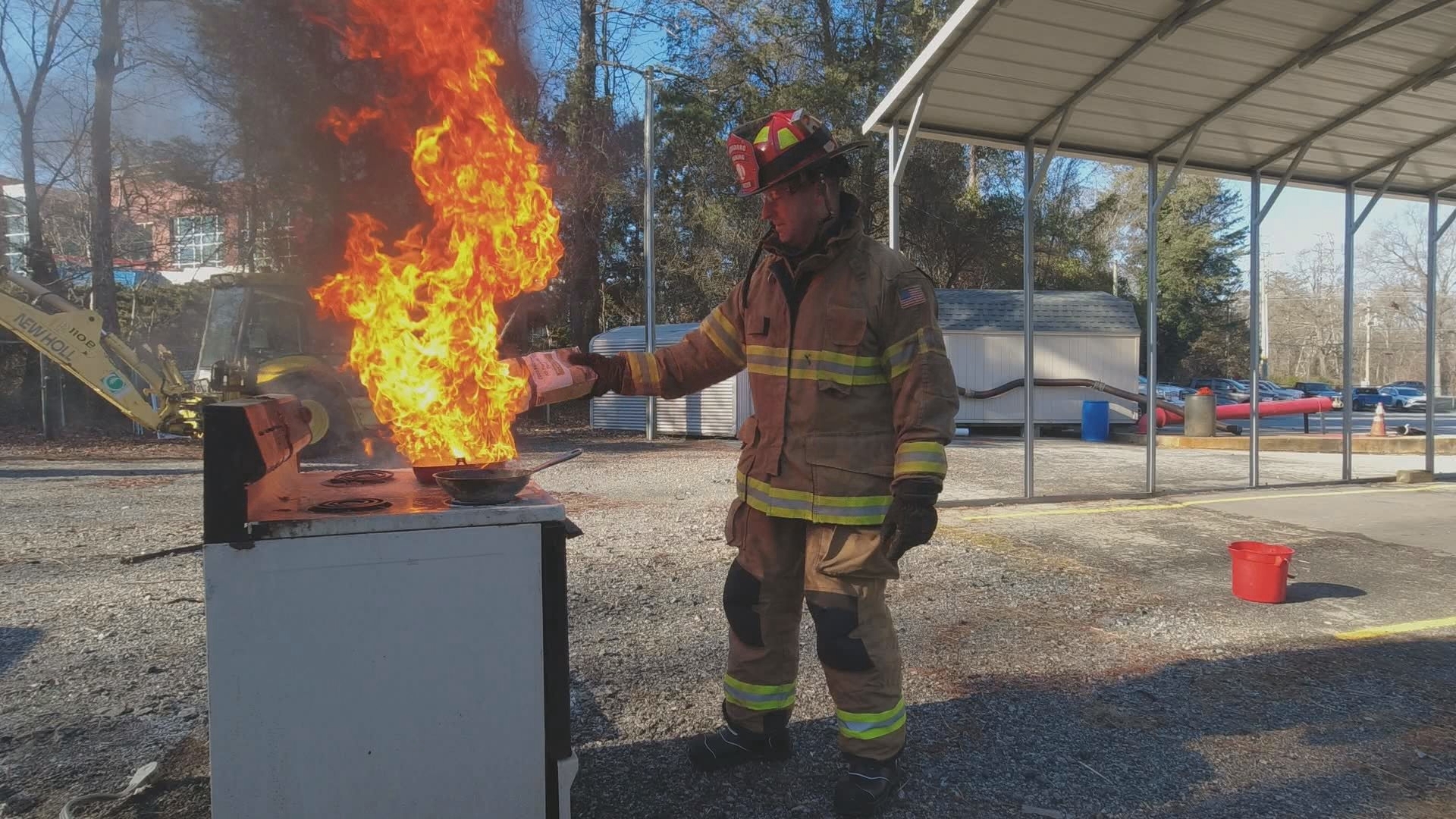
Contrary to what your instincts might whisper, flour is not your friend in a fire emergency. In fact, sprinkling flour on an open flame, especially a larger one, is less like extinguishing a candle and more like… well, creating your own mini, unintended pyrotechnic display. Instead of smothering the fire, you're actually feeding it an explosive buffet.
Think about it. Flour is made from grains – essentially finely ground plant material. And what do plants do when they're dry and exposed to heat? They burn! But flour takes it to a whole new level due to its unique properties.
Must Read
The Science Bit (Keeping It Fun!)
Here’s the lowdown, without needing a chemistry degree. When flour is airborne – like when you sprinkle it – it creates a cloud of tiny, suspended particles. This is where the magic (or danger, in this case) happens. Each tiny particle of flour has a huge surface area relative to its mass. This means oxygen can get to it from all sides, super easily.
Combine these three elements:

- Fuel: The flour particles themselves.
- Oxygen: Plentiful in the air surrounding each particle.
- Ignition Source: Your friendly neighborhood fire.
What you get is a phenomenon known as a dust explosion. It’s not just a little flare-up; it can be a rapid, intense flash fire, or even a true explosion if the conditions are right (like in a confined space). The individual flour particles ignite almost simultaneously, creating a very fast combustion wave.
Fun Fact: This isn't just a kitchen curiosity! Dust explosions are a serious industrial hazard in places like grain silos, flour mills, and woodworking shops where large amounts of combustible dust can accumulate. The same principle applies, just on a much grander, scarier scale!
So, What Actually Happens?
If you were to (please, don’t!) toss a handful of flour onto a roaring campfire or a grease fire on the stove, you’d likely see a flash of flame, possibly accompanied by a “whoosh” sound. This can be startling, but more importantly, it can be incredibly dangerous. The flash fire can cause:

- Burns: To your hands, face, or anything nearby.
- Spread of Fire: The sudden burst of flame can ignite nearby combustibles that weren't initially at risk.
- Smoke Inhalation: A rapid combustion creates a lot of smoke quickly.
It's essentially turning a manageable fire into a much bigger, more volatile situation in the blink of an eye. Not ideal!
Practical Tips: What TO Do Instead
Okay, so flour is out. What should you actually reach for when a small fire breaks out?
- Grease Fires (Small): The best bet is to smother it. Carefully slide a lid over the pan or pot. If you don't have a lid, baking soda (not baking powder, and definitely not flour!) can sometimes work on very small grease fires because it releases carbon dioxide, displacing oxygen.
- Paper/Wood Fires: For small, contained fires, water is usually effective. For larger ones, a fire extinguisher is your best friend.
- Always Have a Fire Extinguisher: Keep an ABC-rated extinguisher in your kitchen and know how to use it (remember the P.A.S.S. method: Pull, Aim, Squeeze, Sweep).
- When in Doubt: Get everyone out, and call 911 (or your local emergency number). Your safety is always paramount.
Cultural Nod: Think of all those times your grandma told you to "be careful with that stove!" She probably didn't explicitly warn you about flour bombs, but the general wisdom of kitchen safety holds true!
The Bigger Picture: Respecting the Everyday
Who knew a simple pantry staple like flour held such fiery secrets? It’s a fantastic reminder that everyday items, seemingly innocuous, can harbor powerful potential. Whether it’s understanding how a basic ingredient can turn dangerous, or learning the correct way to tackle a kitchen mishap, these little nuggets of knowledge empower us to be safer, more mindful individuals in our daily lives.
So, next time you're baking a batch of cookies, spare a thought for the latent energy within that humble bag of flour. It's a testament to the magic and sometimes, the mischievous science, all around us. Stay safe, stay curious, and always keep a fire extinguisher handy!