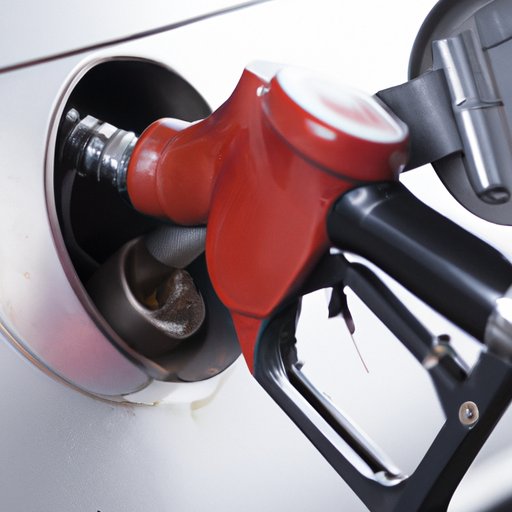
What Happens If You Mix Regular And Premium Gas

Ever stood at the gas pump, staring at the "Regular" and "Premium" options, and wondered what really happens if you just…mix them? It's a question that probably crosses everyone's mind at some point, especially when gas prices fluctuate. Understanding what goes on inside your engine when different octane levels meet isn't just about saving a few bucks; it's about understanding the heart of your car and making informed choices.
So, what's the big deal with octane anyway? Octane ratings, like 87 for regular and 91 or higher for premium, indicate the fuel's resistance to knocking or pinging. Knocking is that pre-ignition, kind of rattling sound that happens when the fuel-air mixture in your engine ignites unevenly. This uncontrolled combustion can damage your engine over time. Premium gas is designed for engines with higher compression ratios, where this uncontrolled combustion is more likely to occur.
Now, back to the mixing experiment. If you mix regular and premium gas, you're essentially creating a blend with an octane rating somewhere in between. The exact octane rating of the mix depends on the proportions of each fuel. For example, half a tank of 87 octane and half a tank of 91 octane will roughly give you a tank of 89 octane fuel. The crucial thing to understand is that your car's engine control unit (ECU), the brain of the car, is designed to adapt to the fuel it's using, within a certain range.
Must Read
The benefit of understanding this is primarily about avoiding unnecessary costs. If your car's manual explicitly states that premium fuel is required, then using a mix with too low of an octane rating could lead to knocking and potential engine damage in the long run. However, if your car only recommends premium, but doesn't require it, mixing might be perfectly fine. In this case, your car's ECU can compensate by adjusting the timing to prevent knocking, even if you use a lower octane fuel than recommended.
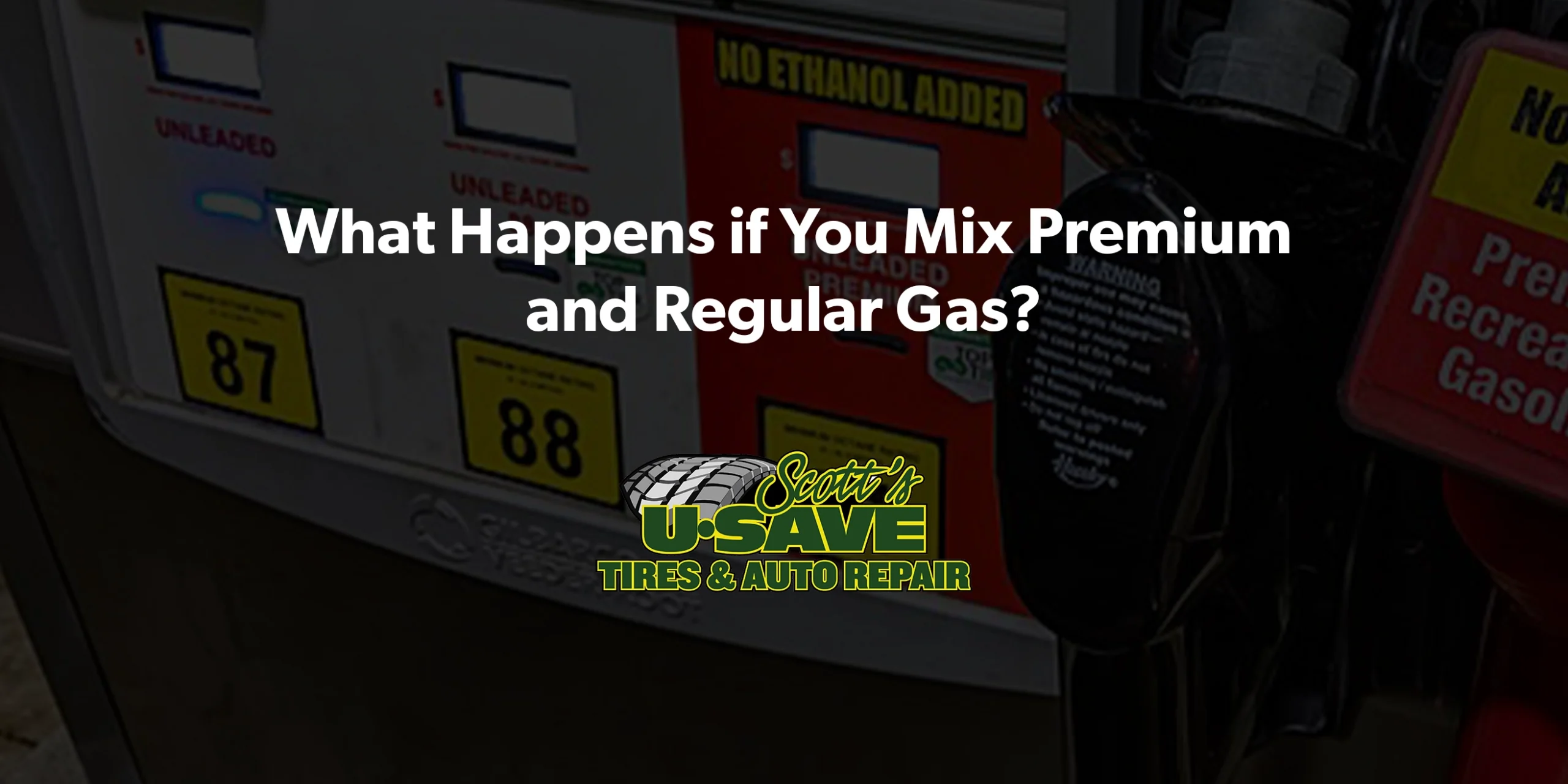
In everyday life, this knowledge can save you from panicking if you accidentally put the wrong fuel in your tank. Say you accidentally filled up with regular instead of premium. Knowing that your car can likely adjust, or that you can top it off with premium next time, can ease your worries. In automotive education, understanding octane levels and engine knock is fundamental. Students learn how different fuel types affect engine performance and longevity.
Want to explore this further? A simple way is to track your gas mileage. Fill up with regular for a few tanks and note your MPG. Then, fill up with premium for a few tanks and compare. See if you notice any difference in performance or fuel efficiency. Remember, this is not a scientific experiment, and individual results may vary. Another practical tip: Consult your car's owner's manual! It's the best source of information about your car's specific fuel requirements. If your car requires premium and you are in a pinch, avoid heavy acceleration and high-load driving until you can fill up with the correct octane. Mixing fuels is usually not catastrophic, but understanding the principles behind it will help you make informed decisions and keep your engine running smoothly.