
What Happens If You Eat Expired Chia Seeds
Okay, let's talk about chia seeds. Those tiny little things that seem to be in everything these days, from your smoothie to your overnight oats. They're like the sprinkles of the health food world, adding a boost of fiber and omega-3s. But what happens when you find a bag lurking in the back of your pantry, sporting a date that's seen better days? Are expired chia seeds a recipe for disaster? Let's dig in!
First things first, that "expiration date" (or often a "best by" or "sell by" date) isn't usually a hard and fast deadline. Think of it more like a suggestion from the chia seed gods. It's about peak quality, not necessarily food safety. So, don't panic if you've unknowingly sprinkled some slightly past-their-prime chia into your breakfast this morning.
The Great Chia Seed Expiration Concern: Rancidity
The biggest concern with expired chia seeds is rancidity. Because they are high in oils, especially those lovely omega-3 fatty acids, they can go rancid over time. Imagine leaving a bottle of olive oil open on your countertop for weeks. Eventually, it'll develop a funky smell and taste. Same concept here.
Must Read
Think of it like this: remember that time you found a half-eaten bag of chips at the back of the cupboard? They were probably stale and tasted like cardboard, right? Rancidity is similar, but affects foods high in fats and oils.
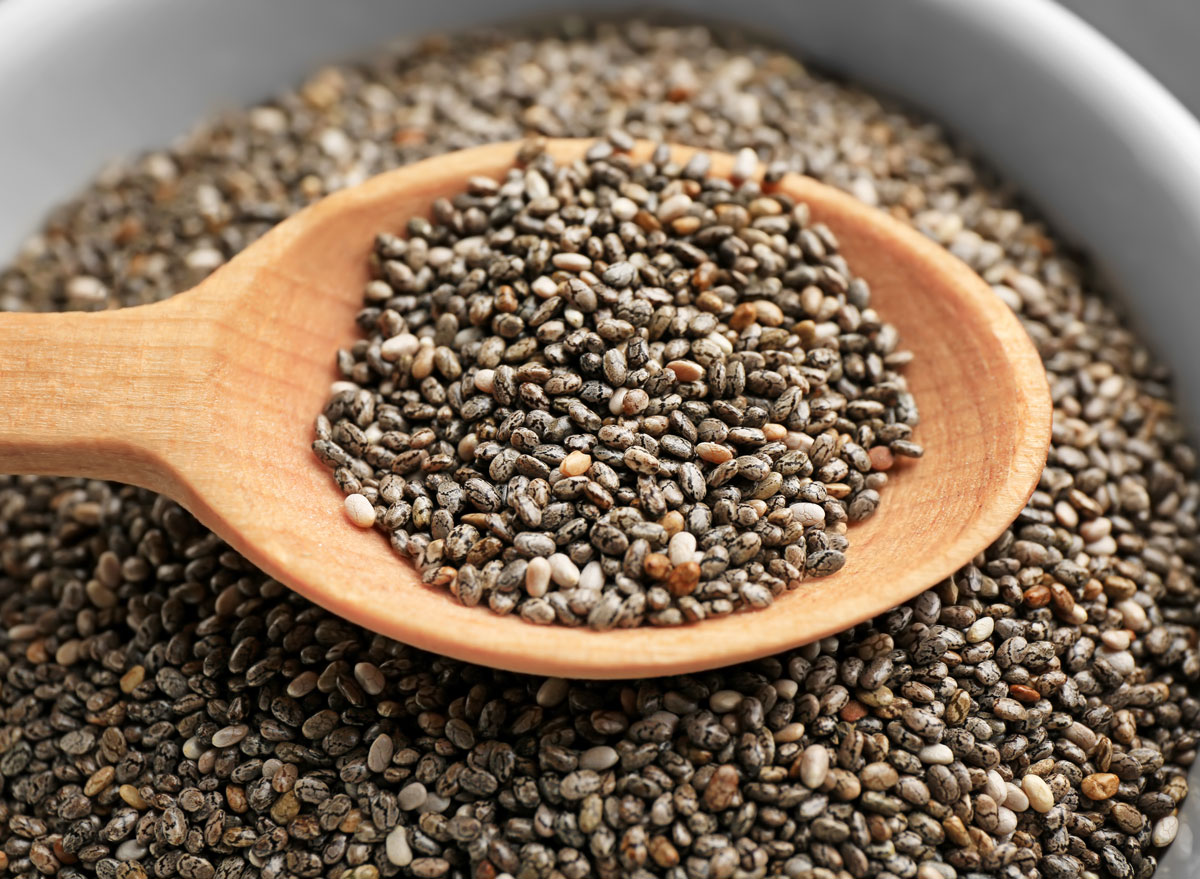
How do you know if your chia seeds are rancid? Give them a sniff! Rancid chia seeds will have a distinctly unpleasant, almost metallic or paint-like odor. They might also taste bitter or “off.” If they smell or taste bad, trust your instincts. It's better to be safe than sorry. Nobody wants a chia seed-induced stomachache.
So, What Happens If You Actually Eat Rancid Chia Seeds?
Well, the good news is, you probably won't get seriously ill. Eating a small amount of rancid chia seeds is unlikely to send you to the hospital. Your body is pretty good at handling small amounts of less-than-perfect food. You might experience some mild digestive discomfort, like a bit of nausea or an upset stomach. But generally, it's not going to be a dramatic event.
However, regularly consuming rancid oils can have long-term health implications. Over time, the free radicals formed during the rancidity process can contribute to inflammation and other health problems. It's like repeatedly choosing the less healthy option at every meal; small choices compound over time.
How to Keep Your Chia Seeds Happy (and Fresh!)
Okay, so you want to keep your chia seeds fresh and avoid the dreaded rancidity? Here are a few simple tips:
- Store them properly: Keep your chia seeds in an airtight container in a cool, dark, and dry place. Think pantry, not sunny windowsill.
- Buy in smaller quantities: Unless you're running a chia seed-based empire, buy only what you'll use in a reasonable amount of time. That giant bag might seem like a bargain, but not if half of it ends up going bad.
- Check the seeds before using: Give them a sniff and a quick look before you add them to your food. If they smell or look off, toss them.
Think of it like taking care of a houseplant. You wouldn't leave it sitting in direct sunlight without water, would you? Chia seeds are similar; they need the right environment to thrive (or at least, not turn rancid).

The Bottom Line
Expired chia seeds aren't usually a major health hazard. But rancidity is a real concern, and nobody wants to eat something that tastes nasty or could potentially contribute to long-term health problems. Use your senses! If they smell or taste off, throw them out. It's a small price to pay for peace of mind (and a happy tummy!).
And remember, a little bit of awareness goes a long way. Happy chia-seeding!
