
What Happens If There Is Not Enough Atp Available
Okay, picture this: You're marathon training (or, you know, trying to get off the couch), and you decide to push yourself. Legs burning, lungs screaming, and then – bam! – your muscles cramp up so bad you feel like you've been stabbed. What just happened? Well, my friend, you probably ran out of ATP. Yes, ATP – the tiny, invisible power source that fuels everything you do. We're talking breathing, thinking, even reading this very sentence. So, what happens when the ATP party stops?
ATP, or Adenosine Triphosphate, is like the cell's little energy currency. Think of it as tiny rechargeable batteries that constantly power all sorts of cellular processes. Muscles contracting? ATP. Nerves firing? ATP. Your kidneys filtering your blood? You guessed it - ATP. It’s absolutely essential.
The Immediate Effects: Hello, Fatigue!
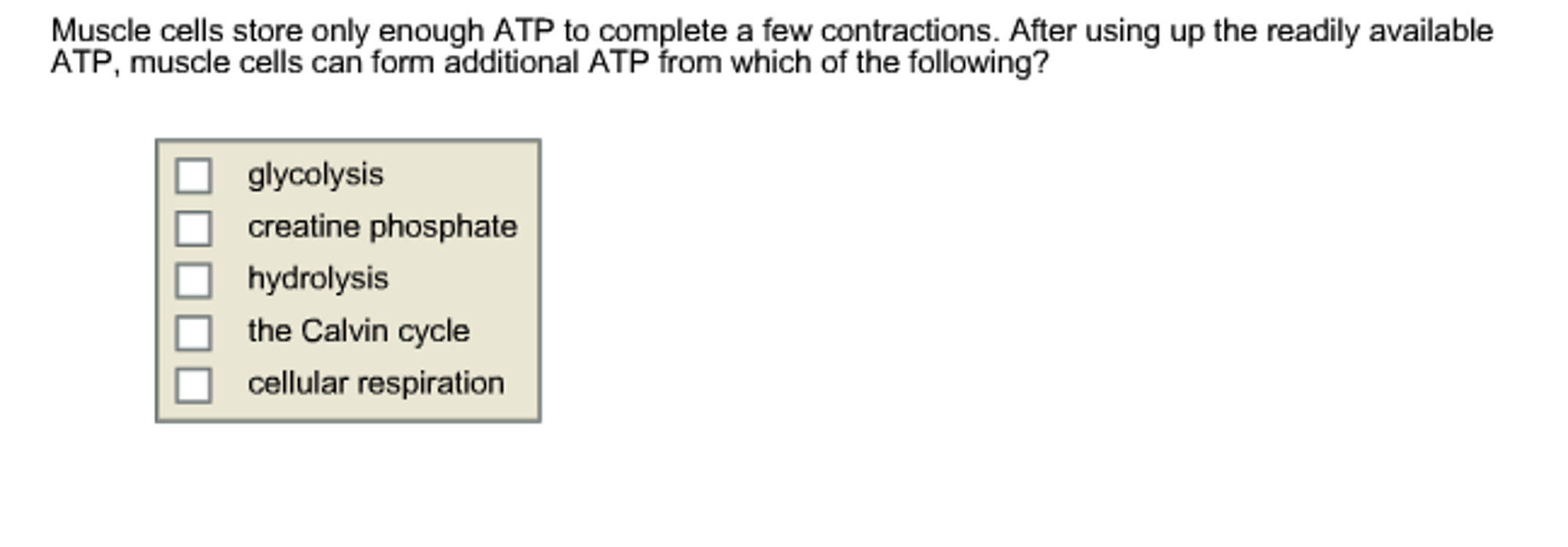
When ATP levels drop, the first thing you'll notice is a serious lack of energy. Remember that marathon runner? When ATP gets depleted in muscle cells, those muscles can't contract properly anymore. This leads to that lovely sensation we know and love (not) as fatigue and muscle cramps. Ouch! It's like trying to start your car with a dead battery – nothing's gonna happen. You might find that simple tasks feel incredibly difficult, and your reaction time slows down. (Better not drive, just sayin'.)
Must Read
And it’s not just muscles that suffer. Your brain is a huge energy hog! So, when ATP dips, things get foggy. You might struggle to concentrate, feel confused, or even get dizzy. Basically, your brain’s wifi is down. It's why athletes sometimes experience "hitting the wall" – their bodies simply can't keep up with the energy demand, and their brains start to short-circuit. Ever been there? I have... on my way to the fridge.
The Domino Effect: When One Thing Goes Wrong…
But the problem isn't just short-term fatigue. If ATP deficiency becomes prolonged or severe, things can get really serious. See, ATP is crucial for maintaining the proper balance of ions inside and outside our cells (like sodium and potassium). If this balance is disrupted, cells can swell up and even burst. Not good. Imagine tiny water balloons popping all over the place inside your body – that's essentially what's happening at a cellular level.

This can lead to a cascade of problems. For example, the kidneys, which rely heavily on ATP for filtration, might start to fail. And if the heart muscle is deprived of ATP for too long, it can lead to heart problems, like arrhythmias (irregular heartbeats) or even heart failure. Yikes! So, low ATP isn't just about feeling tired; it's about the entire system starting to break down.
Causes of ATP Deficiency: Why Does This Happen?
So, what causes ATP levels to plummet in the first place? There are several factors:

- Intense Exercise: Overdoing it in the gym (or on the marathon course) can deplete ATP faster than your body can replenish it. That's why proper training and pacing are important.
- Nutrient Deficiencies: ATP production requires certain vitamins and minerals, like B vitamins, magnesium, and iron. If you're not getting enough of these nutrients in your diet, your body might struggle to generate enough ATP. (Time for a multivitamin, perhaps?)
- Mitochondrial Dysfunction: Mitochondria are the powerhouses of our cells – they're where most ATP is produced. If your mitochondria aren't working properly (due to genetic factors, toxins, or certain diseases), ATP production will be impaired.
- Certain Medical Conditions: Some diseases, like mitochondrial disorders and certain metabolic disorders, directly affect ATP production or utilization.
Basically, your body is a finely tuned machine, and if any part of the energy-generating system breaks down, ATP production suffers. It's like trying to run a factory with a broken assembly line.
What Can You Do? Keeping Your ATP Levels Up
The good news is that you can often improve your ATP levels through lifestyle changes. Here are a few tips:
- Eat a Balanced Diet: Focus on whole, unprocessed foods that are rich in essential nutrients. Think fruits, vegetables, lean protein, and whole grains.
- Get Enough Sleep: Sleep is crucial for energy restoration. Aim for 7-8 hours of quality sleep each night.
- Manage Stress: Chronic stress can deplete your energy reserves. Find healthy ways to manage stress, such as exercise, meditation, or spending time in nature.
- Exercise Regularly (But Don't Overdo It!): Regular exercise can improve mitochondrial function and increase ATP production. However, avoid pushing yourself too hard, especially when you're just starting out. Listen to your body and give it time to recover.
- Consider Supplements: Some supplements, like creatine and CoQ10, have been shown to improve ATP production. (But talk to your doctor before starting any new supplements, okay?)
So, there you have it. ATP: the tiny molecule that makes the world go round (or at least, makes you go round). Keep your ATP levels happy, and your body will thank you for it. Now, if you'll excuse me, I'm going to go have a nap… to, you know, recharge my ATP.

