What Happens If Battery Water Is Low
Ever peeked under the hood of an older car or perhaps pondered the hidden mechanics of a golf cart? Batteries, those tireless powerhouses, often work their magic without much thought from us. But there's a fascinating, sometimes overlooked, aspect to some of them: battery water. It might sound simple, but understanding what happens when this vital fluid runs low is a neat little dive into the world of electrochemistry, and it's surprisingly relevant to our daily lives!
So, why is battery water a big deal, and what purpose does it serve? Well, for a certain class of batteries, particularly the lead-acid variety (think most car batteries, golf cart batteries, or those powering off-grid solar systems), the "water" isn't just water. It's actually a diluted solution of sulfuric acid, often called the electrolyte. This electrolyte is the crucial medium through which ions flow, allowing the chemical reactions that produce electricity to occur. Think of it as the river carrying the energy from one side of the battery to the other. When this electrolyte level is just right, the battery functions optimally, providing consistent power and enjoying a long, healthy life. The main benefit of keeping it topped up? Reliable power and extended battery longevity – saving you money and hassle in the long run!
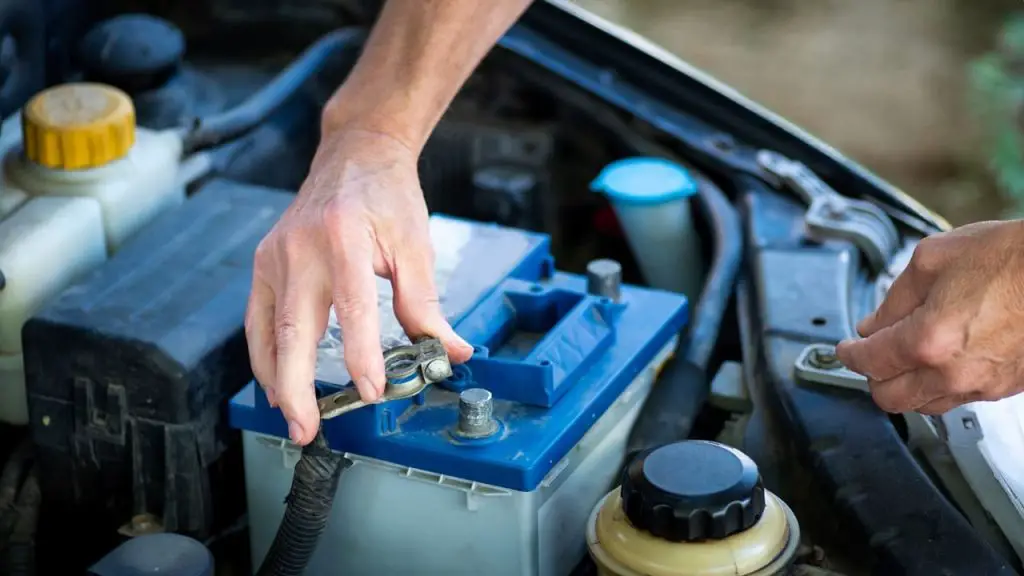
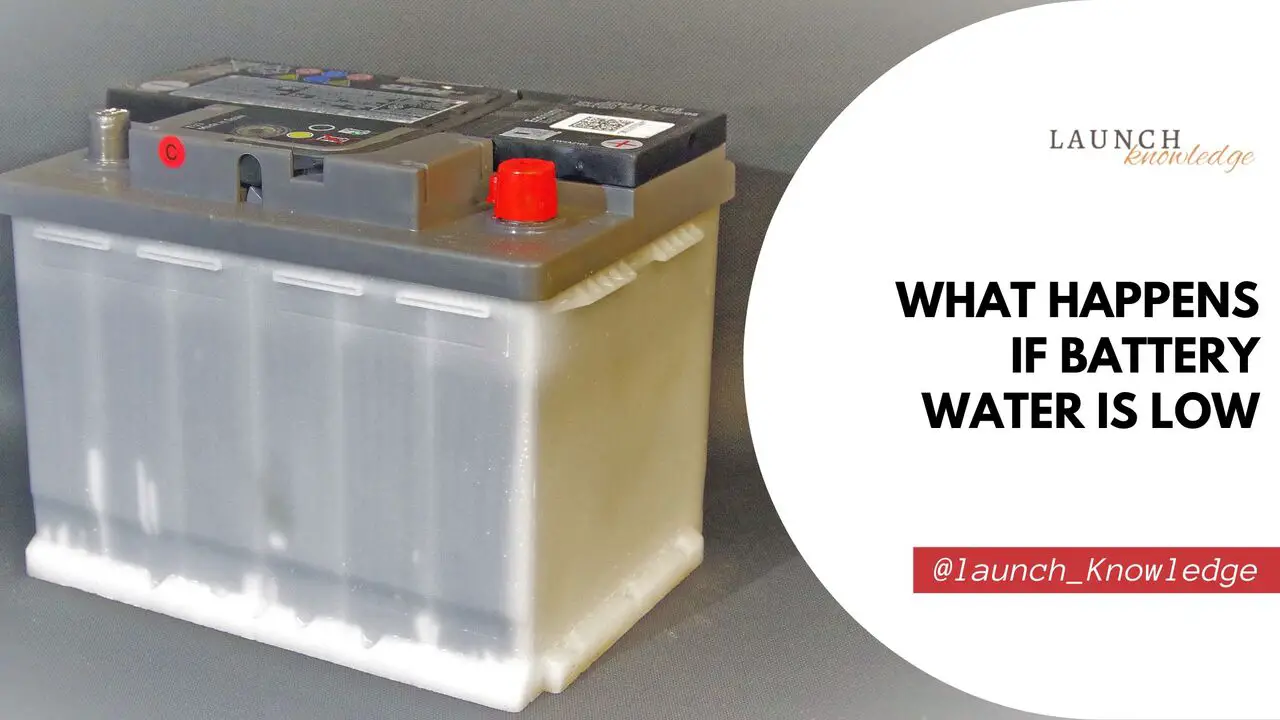
You might wonder where this comes into play in the real world. The most common example is your car battery. While many modern car batteries are "maintenance-free" sealed units, the principle of needing electrolyte still holds true internally. For older cars, or specific applications like RVs, marine vehicles, or industrial forklifts, checking and topping up battery water is a regular chore. In these scenarios, if the water level drops too low, the battery plates become exposed to air, leading to sulfation – a process where hardened lead sulfate crystals form on the plates, hindering the chemical reaction. This means your car might struggle to start, your RV lights might dim, or your forklift could lose power mid-shift. In an educational context, understanding this process offers a tangible lesson in electrochemistry, showing how crucial a simple compound like water can be to complex energy systems.
Must Read
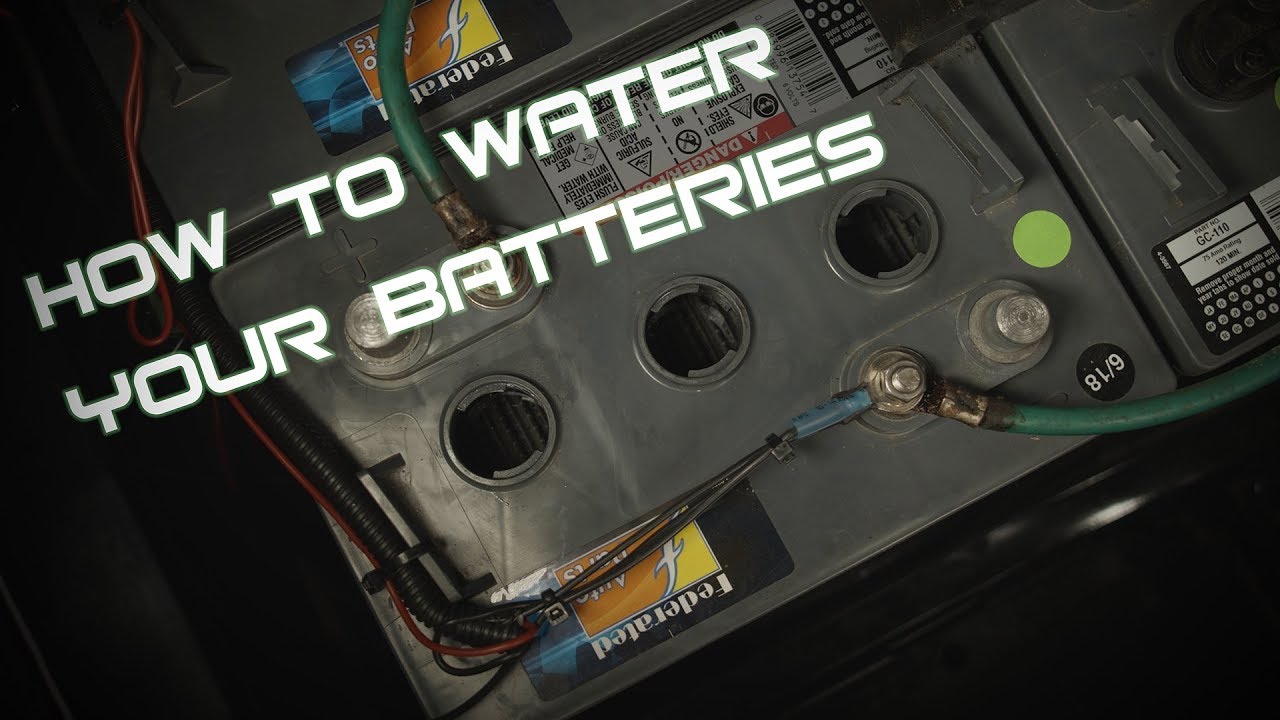
Want to explore this concept further or even apply it practically? Here are a few tips: First, always remember safety! If you're looking at a battery with removable caps (like many deep-cycle batteries), wear safety glasses and gloves. You'll see fill lines inside each cell. If the liquid is below the plates, it's time to add water. But here's the crucial part: always use distilled water, never tap water! Tap water contains minerals that can contaminate the battery and impair its performance. You can often find distilled water at any grocery store for just a dollar or two. If you notice your battery struggling, or perhaps it feels warm to the touch (a sign of overworking), it might be worth a careful check. For a deeper dive, try watching some online videos about battery reconditioning or maintenance for specific vehicle types. You'll be amazed at how a little bit of curiosity about battery water can reveal so much about the hidden world of power generation!