
What Fire Extinguisher Is Used For Wood
Alright, grab your imaginary coffee, let's chat! You're chilling, maybe by a cozy fireplace, or out by a crackling bonfire, right? Picture this: everything's perfect, the s'mores are gooey, the stories are flowing. Then, suddenly, a rogue spark, a gust of wind, or just a tiny bit of bad luck turns your friendly fire into… well, something a little less friendly. Uh oh!
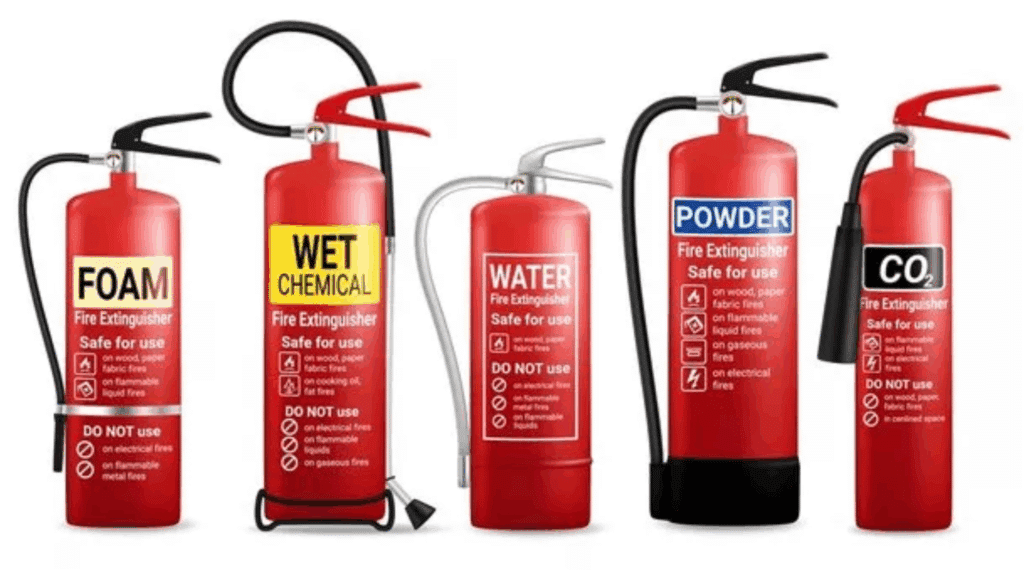
Panic sets in, you spot a fire extinguisher – hooray! But wait. You stare at it. Is this the right one? For wood? Because, let's be real, putting out a grease fire is a whole different beast than a flaming log, isn't it? Spoiler alert: yes, it absolutely is!
Not All Fires Are Created Equal, My Friend
Think of fires like different personality types. You wouldn't use the same approach to calm a raging toddler as you would to, say, diffuse a tense political debate, would you? Same goes for fires. We categorize them, just like we do everything else in life. For wood, paper, fabric, and anything else that leaves an ash behind (like your burnt s'more, oops!), we're talking about a Class A fire.
Must Read
So, when you see "Class A" on an extinguisher, that's your secret code for "Yep, this bad boy is ready for some timber trouble!"
The OG Hero: Water Extinguishers (APW)
For wood fires, sometimes the simplest solution is truly the best. We're talking about a Water Extinguisher, often labeled as APW (Air-Pressurized Water). It's literally just water, pressurized, ready to blast. And guess what? For a Class A fire, especially wood, it’s a total champion!
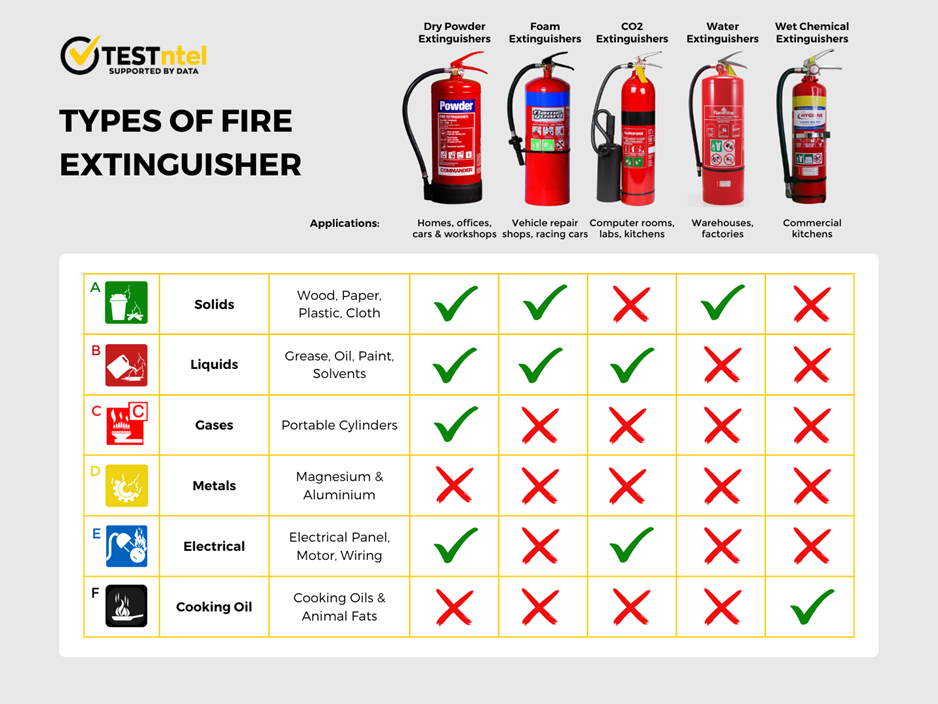
Why? Because wood fires thrive on heat. Water swoops in, absorbs that heat like a sponge, and cools everything down below its ignition point. It also soaks into the material, preventing it from reigniting. It’s effective, it’s simple, and it gets the job done. Just make darn sure you're not spraying it on anything electrical, okay? That’s a whole different, much sparkier, story!
The Step-Up: Foam Extinguishers (AFFF)
Feeling a bit fancy, or maybe you want something with a little more oomph? Enter the Foam Extinguisher (often AFFF – Aqueous Film Forming Foam). These guys are fantastic for Class A fires too, and they bring an extra layer of awesome to the party.

How do they work? The foam not only cools the fire like water does, but it also creates a lovely little blanket over the fuel source. This blanket does two things: it smothers the fire by cutting off its oxygen supply, and it prevents those pesky flammable vapors from escaping and reigniting. Pretty clever, right? It's like giving your fire a cozy (but deadly for the fire!) duvet.
The Jack-of-All-Trades: ABC Dry Chemical
Okay, you've probably seen these everywhere. The classic red cylinder with "ABC" plastered on it. This is your general-purpose, all-around good guy. It contains monoammonium phosphate, a chemical powder that works by interrupting the chemical reaction of the fire. It’s effective on Class A (wood, paper), Class B (flammable liquids), and Class C (electrical) fires. Talk about versatile!
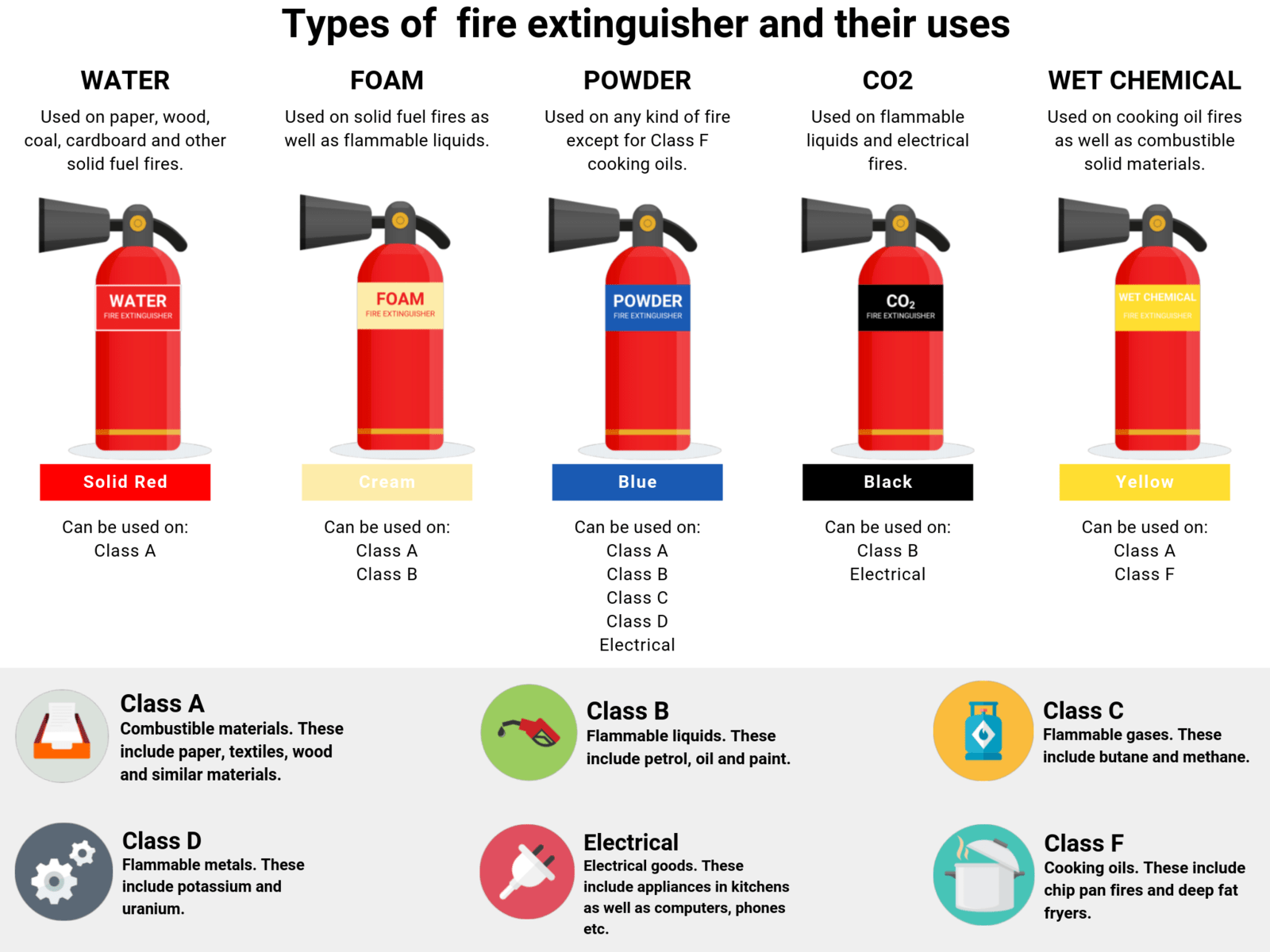
So, can you use an ABC Dry Chemical extinguisher on a wood fire? Absolutely, yes! It will put it out. However, and this is where the coffee chat detail comes in, for a deeply seated wood fire (like a big log that's really glowing), water or foam might be more effective at cooling the core and preventing reignition. ABC powder is a great quick knockdown, but sometimes for wood, you want that deep penetration and cooling effect that water or foam provides. Think of it as: ABC will put out the flames, but water will make sure it stays out and cools it right down.
What NOT to Grab for Your Blazing Log Pile
Now, for the ones you want to side-eye when dealing with your fiery timber:
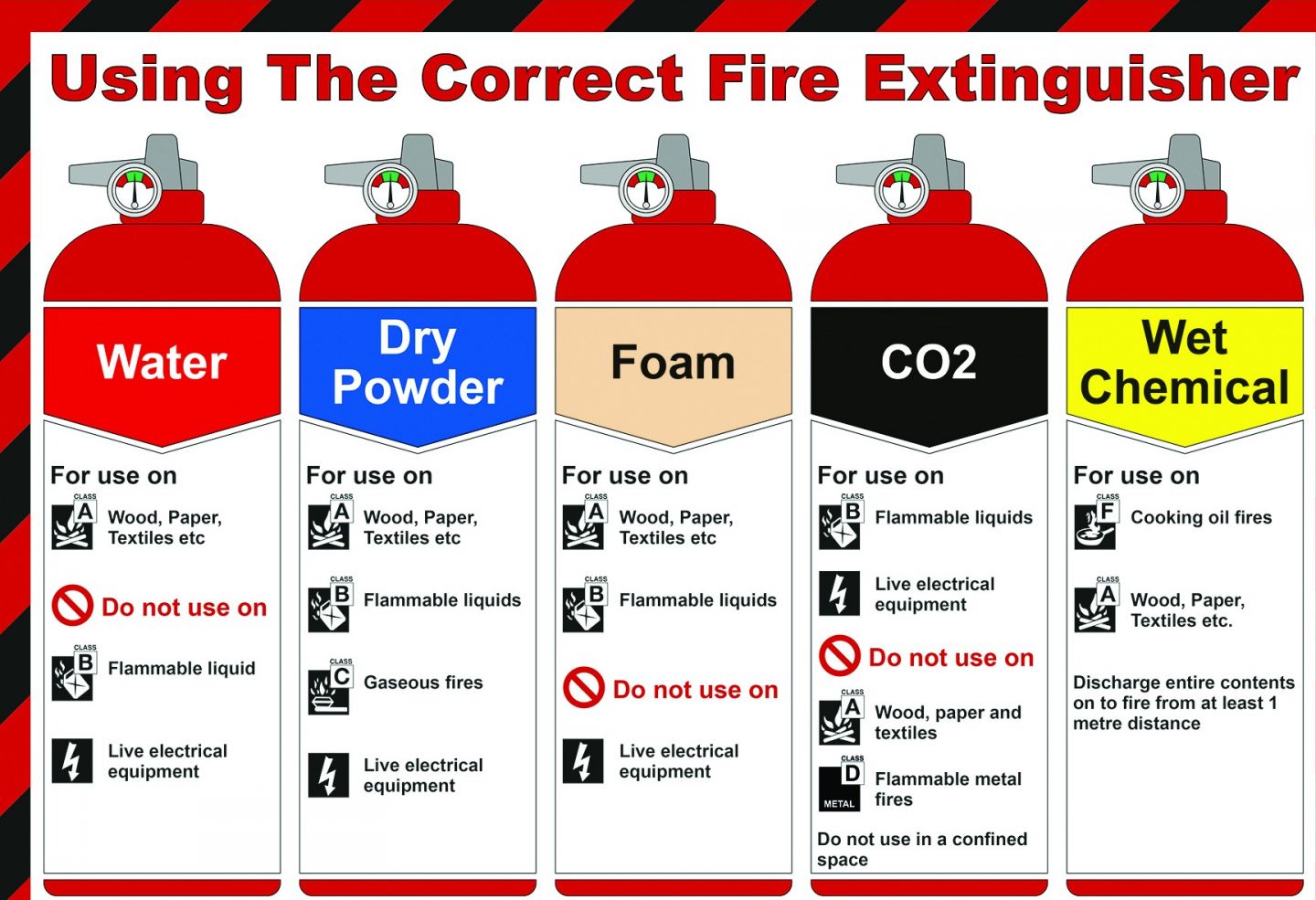
- CO2 Extinguishers: These are brilliant for electrical fires (Class C) because they displace oxygen without leaving a messy residue. But for a wood fire? Not so much. They'll blow the flames around, provide zero cooling, and the fire will likely just reignite. It’s like trying to put out a campfire by blowing on it really hard – not effective!
- BC Dry Chemical Extinguishers: These are fantastic for Class B (flammable liquids) and Class C (electrical) fires, using sodium bicarbonate or potassium bicarbonate. They work by interrupting the chemical reaction. But for Class A (wood) fires, while they might knock down the flames temporarily, they won't cool the material effectively, nor will they penetrate deeply. So, the fire could easily re-flash. It’s not their primary job for wood, you know?
The Takeaway: Be Prepared, My Friend!
So, next time you're enjoying the warmth of a good wood fire, do yourself a solid. Make sure you have the right kind of extinguisher nearby. For wood, that's typically a water or foam extinguisher, or at the very least, an ABC dry chemical one. But remember, water and foam are truly your champions for deep wood fires because they cool and penetrate so well.
And here’s a pro-tip from your chat buddy: always remember the PASS method (Pull the pin, Aim at the base, Squeeze the handle, Sweep side to side). Knowing which extinguisher to grab is half the battle; knowing how to use it is the other crucial half!
Stay safe out there, and may your fires always be friendly and contained! Cheers to smart fire safety!