What Fire Extinguisher Is Used For Wood Paper And Fabric
Ever found yourself scrolling through social media, seeing a delightful DIY project, or just enjoying a cozy evening by the fireplace, and then a little thought pops into your head: "What if...?" Well, while we all hope for the best, being prepared for the unexpected is actually pretty empowering – and surprisingly fun! Today, we’re going to dive into a super useful topic that brings a lot of peace of mind: knowing which fire extinguisher is your best friend when faced with those common household fires involving wood, paper, and fabric. It’s not about being scared; it's about being smart and ready!
Understanding fire extinguishers isn't just for firefighters; it's a vital bit of knowledge for everyone. For beginners, learning about the right extinguisher prevents panic and ensures you act effectively if a small incident occurs. Imagine spilling a candle on a rug – knowing exactly what to grab instead of spraying water on something it shouldn't be on is a huge advantage. For families, this knowledge is about protecting your loved ones and your home. It’s about being the hero who knows how to tackle a kitchen towel that caught fire or a forgotten newspaper too close to a heat source, keeping everyone safe and sound. And for the diligent hobbyists out there – whether you're a woodworker, a keen crafter with piles of fabric, or someone who loves to bake – having the correct extinguisher nearby means you can protect your passion projects and your workspace from an accidental flare-up. It really is about being proactive in safeguarding what matters most.
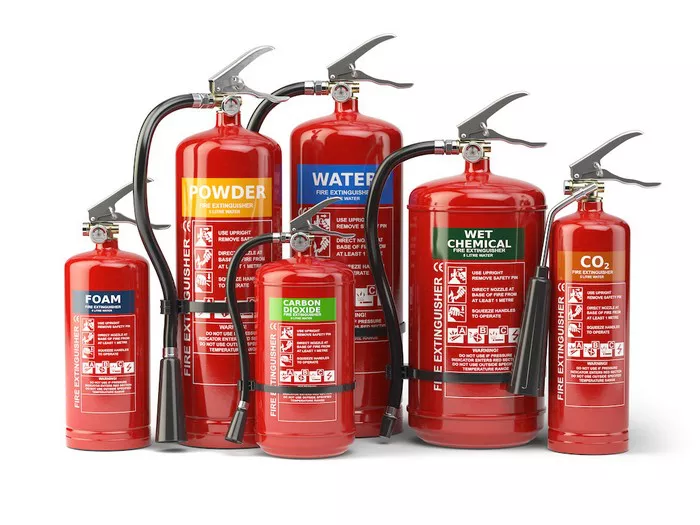
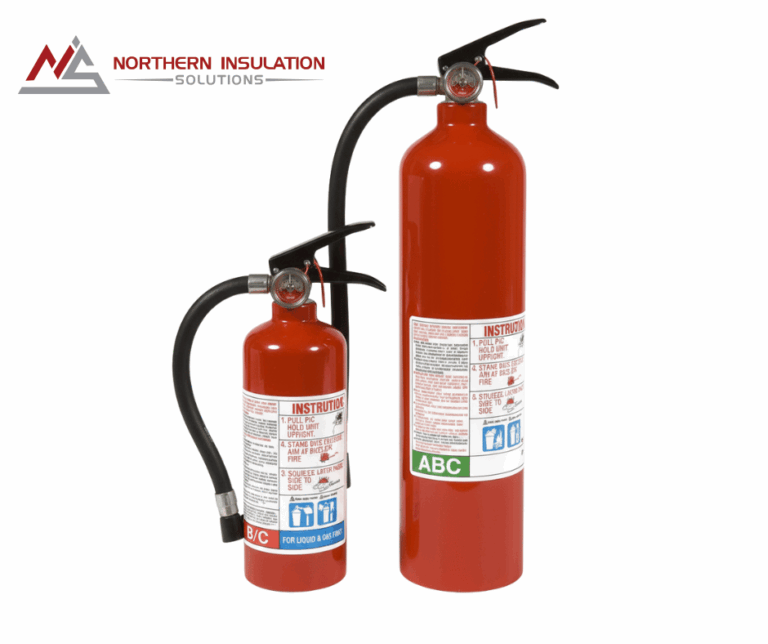
So, which type of extinguisher is our go-to for fires involving everyday items like wood, paper, and fabric? Drumroll, please... it’s a Class A fire extinguisher! These fires, known as "ordinary combustibles," are very common. Class A extinguishers typically contain water or a water-based agent, which works by cooling the burning material below its ignition temperature, effectively putting out the flame. You’ll often spot them with a symbol of a green triangle containing the letter 'A'. This makes it super easy to identify in an emergency. While we’re focusing on Class A, it’s worth a quick mention that other types exist for different fires – like Class B for flammable liquids and Class C for electrical fires. Knowing this distinction helps reinforce the idea that the right tool for the right job is paramount when dealing with fire.
Must Read
Ready to get started with your own fire safety plan? Here are some simple, practical tips. First, locate and install Class A extinguishers in easily accessible spots in your home, especially near common fire hazards like the kitchen or workshop. Make sure everyone in the family knows where they are! Second, get into the habit of checking your extinguisher's pressure gauge regularly – it should be in the green. Also, be aware of its service date. Third, memorize the simple P.A.S.S. method for using an extinguisher: Pull the pin, Aim at the base of the fire, Squeeze the handle, and Sweep side to side. And remember, extinguishers are for small, contained fires only. If a fire starts to spread, your priority is to evacuate immediately and call emergency services. When in doubt, always get out!
Learning about fire extinguishers isn't just a chore; it’s an act of responsibility and self-care. It provides a tremendous sense of calm, knowing you're prepared for unexpected moments. It empowers you to be a protector of your home and loved ones, giving you the confidence to act swiftly and effectively. So, embrace this knowledge, practice these tips, and enjoy the peace of mind that comes from being genuinely ready for anything. It’s a truly valuable life skill!