You know that feeling, right? You see a bright red fire extinguisher hanging on a wall. It looks important. It looks ready for action. But deep down, a tiny voice might whisper, “Which fire is this one even for?” You're not alone. We all nod knowingly, then secretly hope we never have to find out. It’s like a secret handshake we haven't quite mastered.
Well, pull up a comfy chair. Let’s playfully peek behind the curtain. We’re going to decode the mysterious alphabet soup of fire extinguishers. It’s less about complex chemistry and more about common sense, with a dash of drama.
The Mighty Class A – For the Everyday Chaos
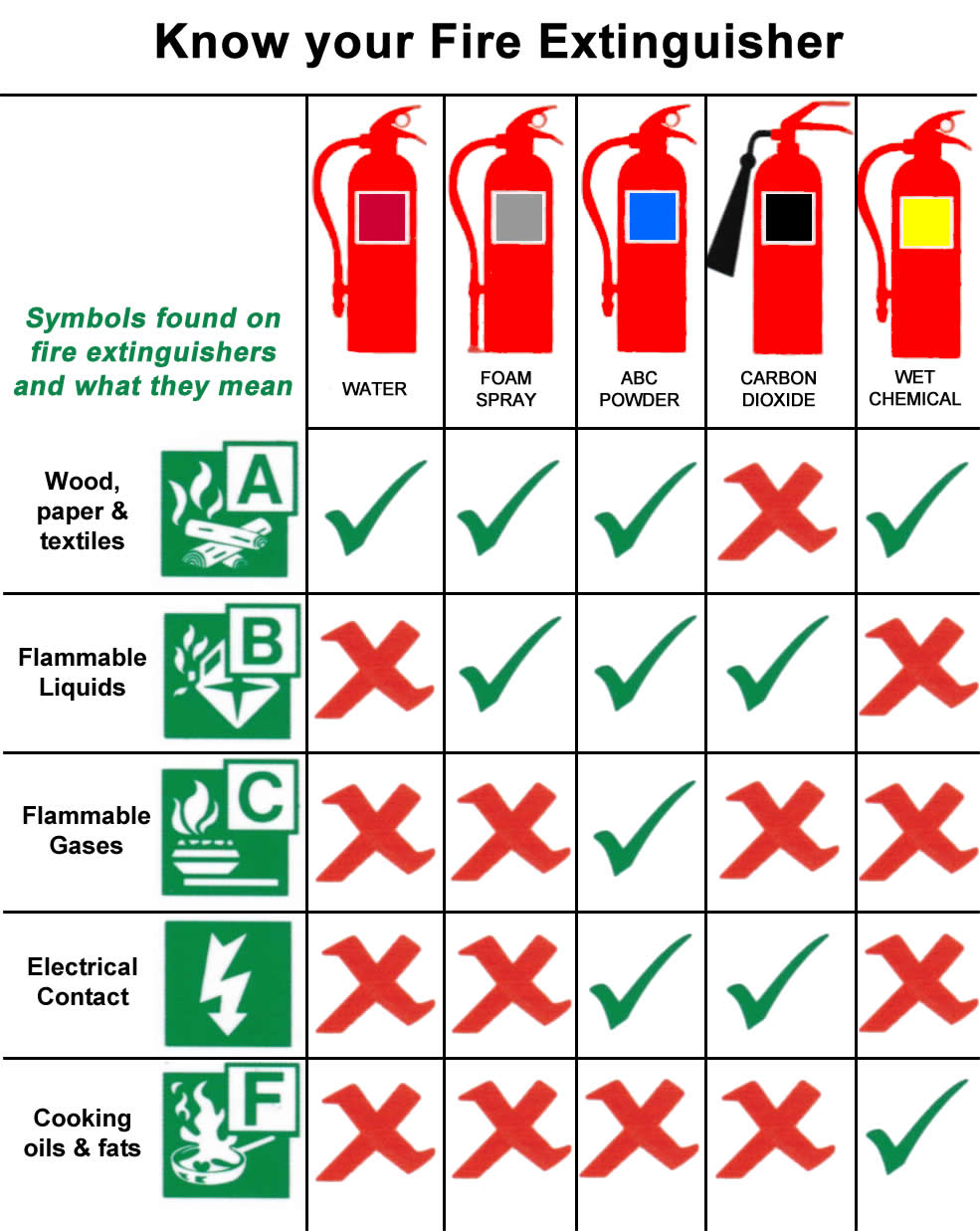
Imagine your living room after a particularly enthusiastic craft session. Paper, fabric, wood splinters everywhere. Or perhaps a forgotten newspaper near a cozy fireplace. This is where Class A extinguishers shine. They tackle what we call ordinary combustibles. Think of anything that leaves an ash. Your old college textbooks? A mountain of laundry? A rogue stack of magazines? Yep, Class A is their nemesis.
Some might say it's just water. But oh, what majestic water it is! It cools and smothers those common fires, stopping them in their tracks. It’s the hero of the mundane, the champion of the cluttered.
The Slippery Class B – For the Liquid Shenanigans
Now, picture this: A grease fire erupts on your stovetop. Or perhaps a little gasoline spill in the garage catches a spark. Water? Oh no, water just makes these things angrier. It can spread the fire, like adding fuel to a… well, fire! This is where the Class B extinguisher steps in. It’s designed for flammable liquids and gases.
What Fire Extinguisher To Use | Which Fire Extinguisher
We're talking about cooking oils, paint thinners, solvents, or that naughty puddle of petrol. These extinguishers typically use chemicals that suffocate the fire. They deny it oxygen, which is like telling a fire to hold its breath indefinitely. It’s quick, it’s effective, and it prevents a small kitchen drama from becoming a neighborhood spectacle.
The Zappy Class C – For the Electrically Charged Dilemmas
Ever had an old appliance spark a little more than usual? Or perhaps a frayed wire decided to put on a light show? Electrical fires are sneaky. They can be caused by anything from an overloaded circuit to a faulty gadget. Trying to douse these with water is a big no-no. Water conducts electricity, which means you could become part of the problem, rather than the solution!
Fire Extinguisher Types and Their Uses - NEFSA Guide
Enter the Class C extinguisher. It's specifically formulated for fires involving energized electrical equipment. These bad boys use non-conductive agents, like carbon dioxide (CO2) or dry chemicals, to extinguish the flames without giving you a shocking surprise. Think of it as the responsible adult in a room full of sparking wires. It turns off the party without electrocuting anyone.
The Mysterious Class D – For the Metal Marvels (and the Very Few)
Okay, deep breath. Unless you work in a lab with exotic metals or have a secret hobby of smelting titanium in your backyard, you probably won't ever meet a Class D extinguisher. These are for fires involving combustible metals like magnesium, titanium, zirconium, or sodium. They are extremely specialized and require specific agents to put them out safely.
We're talking super niche, superhero stuff here. So, if you spot one, just nod sagely and know that some serious metal magic is afoot.
Types and Uses of Fire Extinguishers
The Kitchen King Class K – For the Culinary Catastrophes
Ah, the kitchen. A place of joy, delicious smells, and sometimes, runaway deep fryers. When cooking oils and fats reach extremely high temperatures and ignite, they create a special kind of fire. Regular extinguishers might not cut it. This is where the Class K extinguisher swoops in, cape flowing.
Class K extinguishers are champions against fires involving cooking oils and fats. They work by a process called saponification, which creates a foamy layer that cools the oil and prevents re-ignition. It's basically like giving the fiery fat a super-strong, fire-retardant bubble bath. Every commercial kitchen needs one, and frankly, if you do a lot of deep-frying at home, it’s a brilliant idea.
Pass fire extinguisher method | Fire Safety Guide | Praxis42
The All-Rounder: ABC – The Everyday Champion
Now, for the "unpopular" opinion that everyone secretly agrees with: Most of the fire extinguishers you see in homes and small businesses are likely ABC rated. This clever contraption combines the power to fight Class A (ordinary combustibles), Class B (flammable liquids), and Class C (electrical) fires.
It’s the Swiss Army knife of fire safety. Don't know what kind of fire you have? Grab the ABC! It’s the confident choice for when panic sets in and specific fire classification goes right out the window.
So, next time you spot that bright red cylinder, you’ll know it’s not just a decorative piece. Each alphabet etched on its side tells a story. And while we hope you never have to use one, at least now you can nod with genuine knowing, ready to confidently identify your fiery foe. Or, more likely, just grab the readily available ABC and save the day. You’re welcome.