
What Fire Class Would Involve Flammable Gases Solvents Paints
Ever wondered if fires have different personalities? Oh, they absolutely do! Some fires are quiet and unassuming, while others are total party animals, ready to ignite with a spectacular flourish.
Today, we're diving headfirst into the most flamboyant and exciting fire class of them all, the one that deals with all those lively liquids and mischievous gases we encounter every day. Get ready for some fiery fun!
Introducing the Life of the Party: Class B!
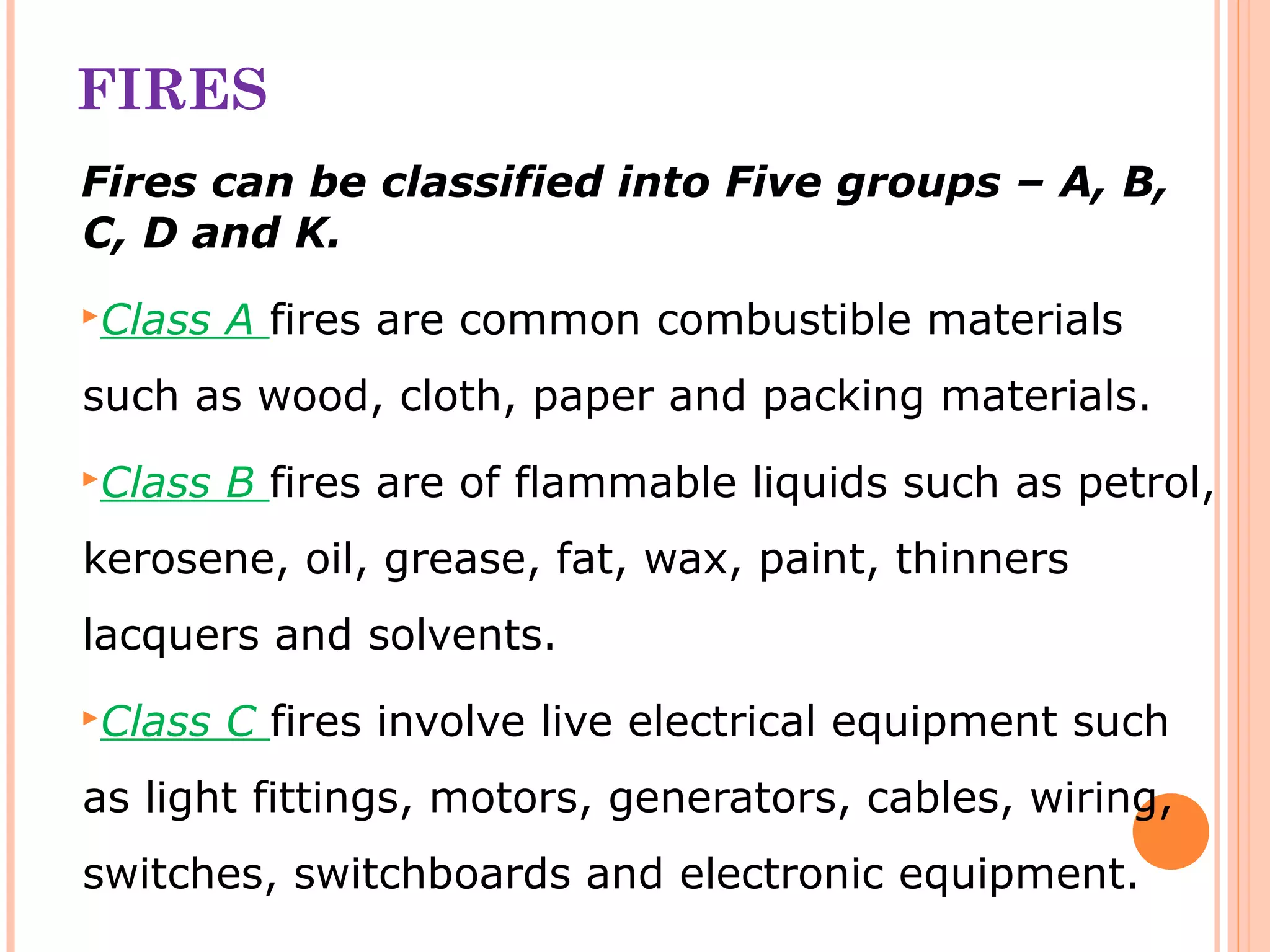
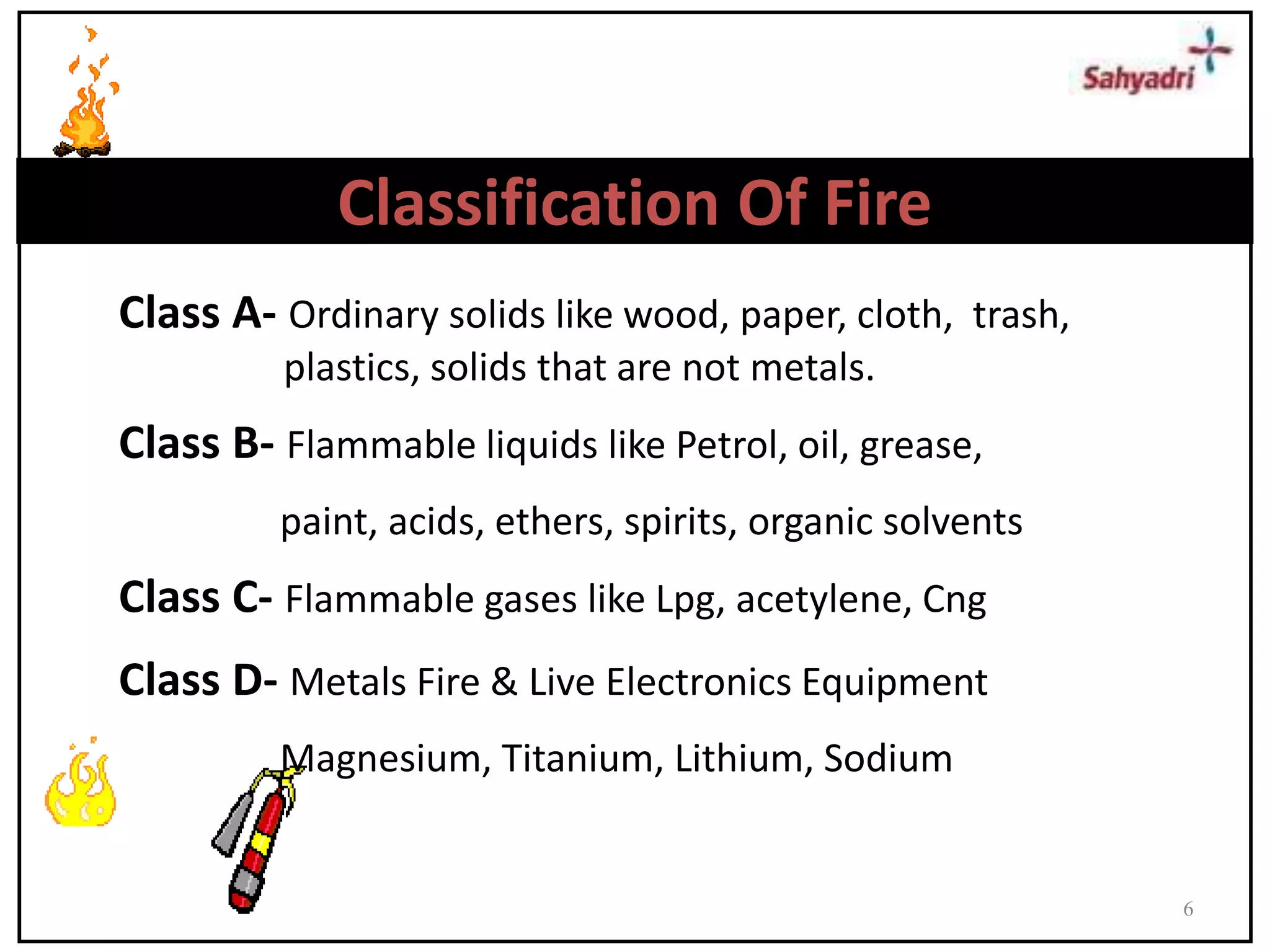
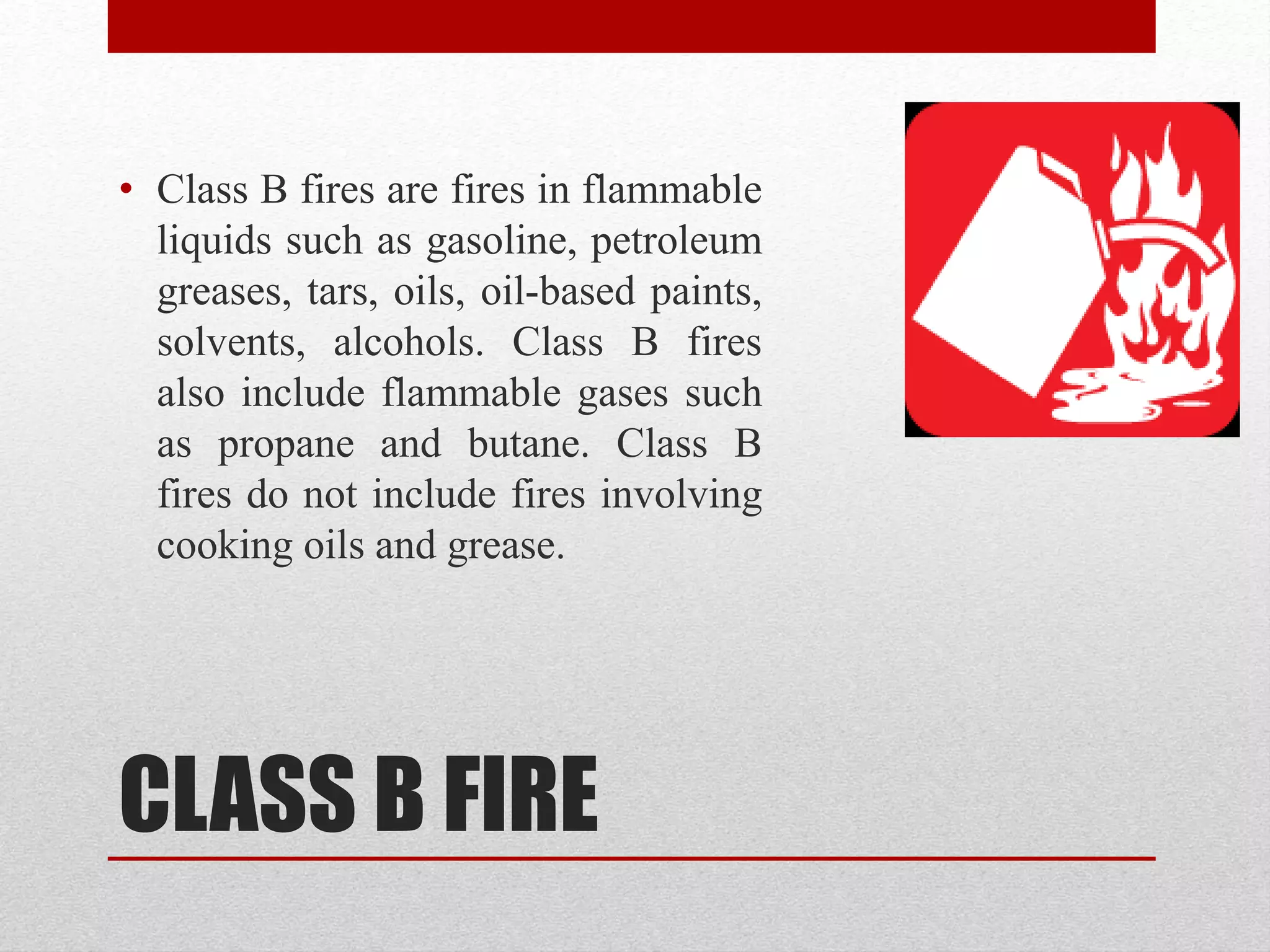
When we talk about the wild world of flammable gases, the slippery slope of solvents, and the colorful chaos of paints, we're stepping right into the dazzling spotlight of the one and only Class B fire!
Must Read
This is the fire class that handles all the spectacular spills and dramatic vapor ignitions. It’s for those times when things go "whoosh!" rather than "smolder."
Imagine a fire that doesn't leave a pile of ash behind, but rather burns away like magic. That’s the kind of enchanting trickery you'll find with a Class B blaze.
Meet the Gassy Gang: Flammable Gases
Let's start with the invisible pranksters: flammable gases. Think about your backyard barbecue. That happy little flame warming up your burgers? That’s courtesy of propane, a prime example of a Class B gas just waiting to party.
Natural gas in your home, the kind that cooks your dinner or heats your water, also falls squarely into this category. It's normally well-behaved, but if it escapes, it’s a quick-igniting fireball waiting to happen.
Then there's acetylene, often found in welding shops, a true superstar in the world of high-energy gases. It burns with an intense heat, a proper show-stopper of a flame.
These gaseous wonders are tricky because you can't always see them until they ignite. They vaporize, spread quickly, and don't leave any solid "evidence" once they've had their fiery moment.
"Gases are the invisible dancers of the fire world, quick to move and quick to make a grand exit!"
The Slippery Solvents: Liquid Mischief
Next up, we have our fabulous liquid friends, the solvents. These are the unsung heroes of cleaning and dissolving, but they come with a lively streak!
Think about your nail polish remover – poof! A little whiff, and you know it means business. That's usually acetone, a classic Class B flammable liquid.
Got some paint thinner in the garage? Yep, that's another one. Mineral spirits, turpentine, lacquer thinner – these are all members of the Class B solvent club.
Even everyday rubbing alcohol is a Class B liquid, ready to ignite if it gets too close to a spark. It evaporates quickly, creating those easy-to-ignite vapors.
What makes solvents so special is their "flash point" – the lowest temperature at which their vapors will ignite. For many, that temperature is surprisingly low, even room temperature!
They can spread alarmingly fast, turning a small drip into a rapidly expanding inferno if not handled with respect. They don’t leave solid residue; they just burn.
"Solvents are the liquid lightning of the fire world, ready to zoom across surfaces!"
The Colorful Characters: Paints and Varnishes
And what about our vibrant friends, the paints? Especially those oil-based beauties and varnishes! They bring color to our lives, but they also bring a fiery personality if not handled with care.
It's not the pigments themselves that are the fire hazard, but rather the solvents they're mixed in. These are the carriers, the very heart of their flammability.
Think of a can of oil-based enamel. The liquid inside is packed with volatile organic compounds (VOCs) that are essentially little fire starters waiting for an excuse.
Even spray paints, with their propellants and quick-drying formulas, are brimming with Class B potential. That aerosol cloud is a miniature vapor explosion waiting for a spark!
So, when you're admiring a freshly painted fence, remember the secret life of those colorful liquids. They belong firmly in the Class B category, ready for a rapid burn.
Why Are They All Class B, You Ask?
It’s all about what they don't leave behind. Unlike a roaring campfire that leaves lovely ashes, Class B fires consume their fuel almost completely.
![A Guide to Fire Classification & Classes | Restorations [UK]](https://www.restorations-uk.com/wp-content/uploads/2022/02/Restauration_Blog_FireTypes_infographic_V01_NB.jpg)
They don't create glowing embers or hot coals. Instead, they feast on the liquids or gases, turning them into energy, heat, and light, often leaving little to no solid residue.
This makes them distinct from "ordinary combustibles" like wood or paper, which are Class A fires and behave quite differently. Each fire class has its own quirky rules!
The common thread for all Class B fuels is their ability to vaporize and ignite readily. They're quick, they're energetic, and they can be quite a challenge if you don't know their tricks.
Everyday Scenarios for Our Class B Stars
Imagine you're sprucing up the garage. A leaky can of paint thinner, a forgotten open container of gasoline, or even a can of spray lubricant – these are all potential Class B scenarios.
Or perhaps you're an artist, surrounded by tubes of oil paint and bottles of turpentine. An accidental knock, a nearby space heater, and you've got a dramatic situation on your hands.
Even just filling up your car at the gas station is a moment to be aware. Gasoline is the quintessential Class B liquid, notoriously flammable and eager to ignite from a static spark.

Any place where liquids slosh, vapors hover, or gases are contained, you’re in Class B territory. Workshops, chemistry labs, fuel storage areas – they’re all under the watchful eye of Class B.
"From your barbecue to your nail polish, Class B is lurking, ready for a rapid-fire performance!"
Understanding this vibrant fire class helps us appreciate the hazards around us and stay super safe. Knowing their flashy personality means we can treat them with the respect they deserve.
The Grand Finale: Feeling Good About Fire Knowledge!
So there you have it! The thrilling, often flamboyant world of Class B fires. It’s where all the flammable gases, the zesty solvents, and the vivacious paints get their moment in the spotlight.
Isn't it amazing how much personality fire can have? Knowing which fire class involves which materials is not just smart, it's a super cool superpower for staying safe.
Next time you see a propane tank or open a can of paint thinner, you'll nod knowingly. You'll be thinking, "Ah, yes, another glorious example of a Class B fuel, ready to entertain, safely of course!"
Keep your curiosity burning, but always keep your flammables cool. Stay savvy, stay safe, and let your newfound fire class knowledge make you feel like a safety superhero!