
What Emits Carbon Monoxide In The Home

Ever feel like your home is a bustling hub of unseen activity? Well, it absolutely is! And among all the good vibes and comfy corners, there's one incredibly sneaky little gas that sometimes makes an unwelcome appearance: carbon monoxide, or CO for short.
Don't panic! We're not here to scare you, but to playfully peek behind the curtain and discover where this invisible guest might be trying to crash your party. Think of it as a fun detective mission, equipping you with knowledge that makes your home even safer and happier.
The Usual Suspects: When Appliances Get a Little Too... Enthusiastic
1. The Mighty Furnace: Your Home's Warm Heart (Sometimes a Bit Too Warm)
Ah, the furnace. It's the unsung hero of chilly mornings, blasting warmth throughout your abode. But this hardworking champ, especially if it's the gas-powered kind, can sometimes have a little "hiccup" in its exhaust system.
Must Read
Imagine it like a dragon trying to breathe fire, but its chimney is a bit clogged. Instead of all the fiery fumes going up and away, some might linger indoors. An old or poorly maintained furnace can be a prime suspect.
"My furnace just wants to give me all its warmth! Even the exhaust!" - A slightly misguided furnace, probably.
So, regular check-ups for your furnace are like giving your warm-hearted dragon a good annual doctor's visit. Keep it happy, keep it venting!
2. The Hot Water Hero: Your Shower's Best Friend
Next up, the magnificent water heater! It's the silent force behind every blissful hot shower and sparkling clean dish. Most homes have a gas water heater, diligently burning fuel to warm up your liquid luxuries.
Just like its fiery furnace cousin, this gadget needs a clear path for its exhaust. If the vent pipe gets a little blocked or disconnected, those exhaust fumes, including our friend CO, might decide to hang around your laundry room instead of heading outside.
It's like having a tiny, dedicated campfire indoors that forgot its own smokestack. A healthy water heater vents perfectly, keeping your hot water flowing and your air clear!
3. The Culinary Creator: Your Gas Stove and Oven
Baking cookies? Whipping up a gourmet feast? Your gas stove and oven are your trusty kitchen sidekicks. They burn natural gas to bring the heat, and when they do, a tiny bit of CO is a natural byproduct.
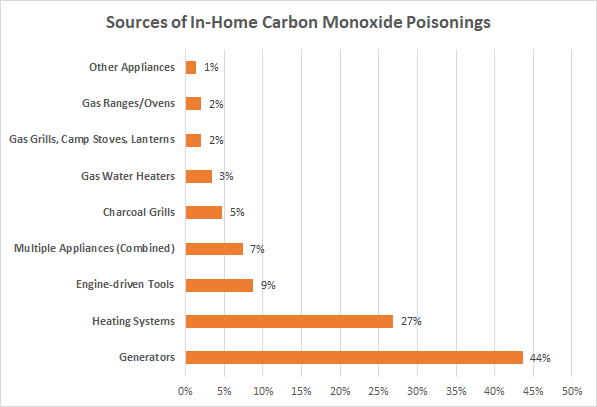
Usually, this isn't a problem, especially if your kitchen is well-ventilated and you don't leave them running for ages. But an unvented gas range, or one with a faulty burner, can emit more than just the tantalizing aroma of dinner.
"I just wanted to make dinner extra warm for everyone!" - A well-meaning but faulty gas oven.
So, remember to turn on that exhaust fan when cooking, and don't use your oven to heat your house—it's not designed for that job, and it'll get a little grumpy (and gassy)!
4. The Laundry Day Lifesaver: Your Gas Clothes Dryer
Oh, the joy of fresh, warm laundry! Thank goodness for your gas clothes dryer. It tumbles away, using gas to generate that cozy heat that makes your socks feel like fluffy clouds. But guess what? It's also producing exhaust!
Like all its gas-powered pals, your dryer needs a clear vent to the outside world. Lint buildup isn't just a fire hazard; it can also block the exhaust vent, forcing CO back into your home.
Regularly cleaning your lint trap and checking the exterior vent will keep your dryer happy and your clothes (and air) fresh. It's a simple step for a big win!
5. The Cozy Corner: Fireplaces and Wood Stoves
Nothing beats the crackle and glow of a fireplace or a wood stove on a chilly evening. They create such a magical, rustic ambiance! But these charming heat sources are basically mini indoor campfires, and fires produce CO.
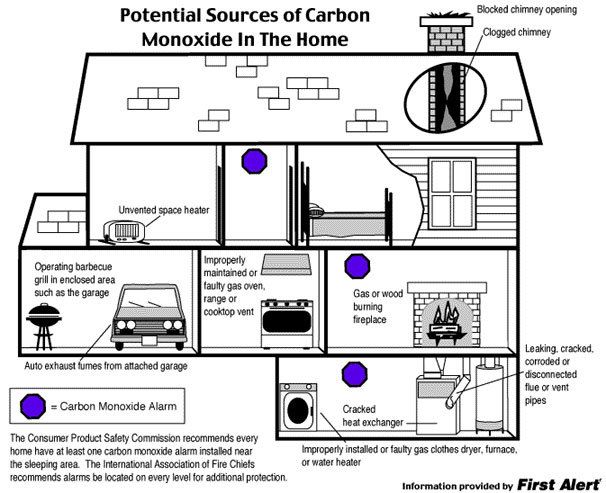
The key here is a properly functioning chimney or flue. If it's blocked by soot, debris, or even a mischievous bird's nest, the smoke, along with that sneaky CO, won't be able to escape upwards. Instead, it might decide to drift back into your living room.
"I just love being the center of attention, even my smoke wants to stay!" - A very social (and problematic) fireplace.
Always ensure your fireplace or wood stove is clean and has a clear path for its exhaust. And remember to open the damper fully before lighting a fire!
6. The Powerhouse Pal (But Only Outdoors!): Portable Generators
When the lights go out, your portable generator can feel like a superhero, swooping in to save the day! These machines are lifesavers, but they're incredibly powerful engines, and engines create a lot of exhaust, including CO.
The golden rule for generators is simple: NEVER, EVER use them indoors. Not in the garage, not on the porch, not in the basement. They belong far away from your home, with their exhaust pointed away from windows and doors.
Treat your generator like a very loud, very gassy outdoor pet. Give it plenty of space and fresh air, and it'll keep your power on safely during an outage.
7. The Backyard BBQ Boss (Definitely NOT Indoors!): Charcoal Grills
Summertime, sunshine, and the sizzling sounds of a charcoal grill! Grilling is an absolute delight, but those smoldering coals are big producers of CO. They burn hot and steady, and all that combustion needs a lot of fresh air.
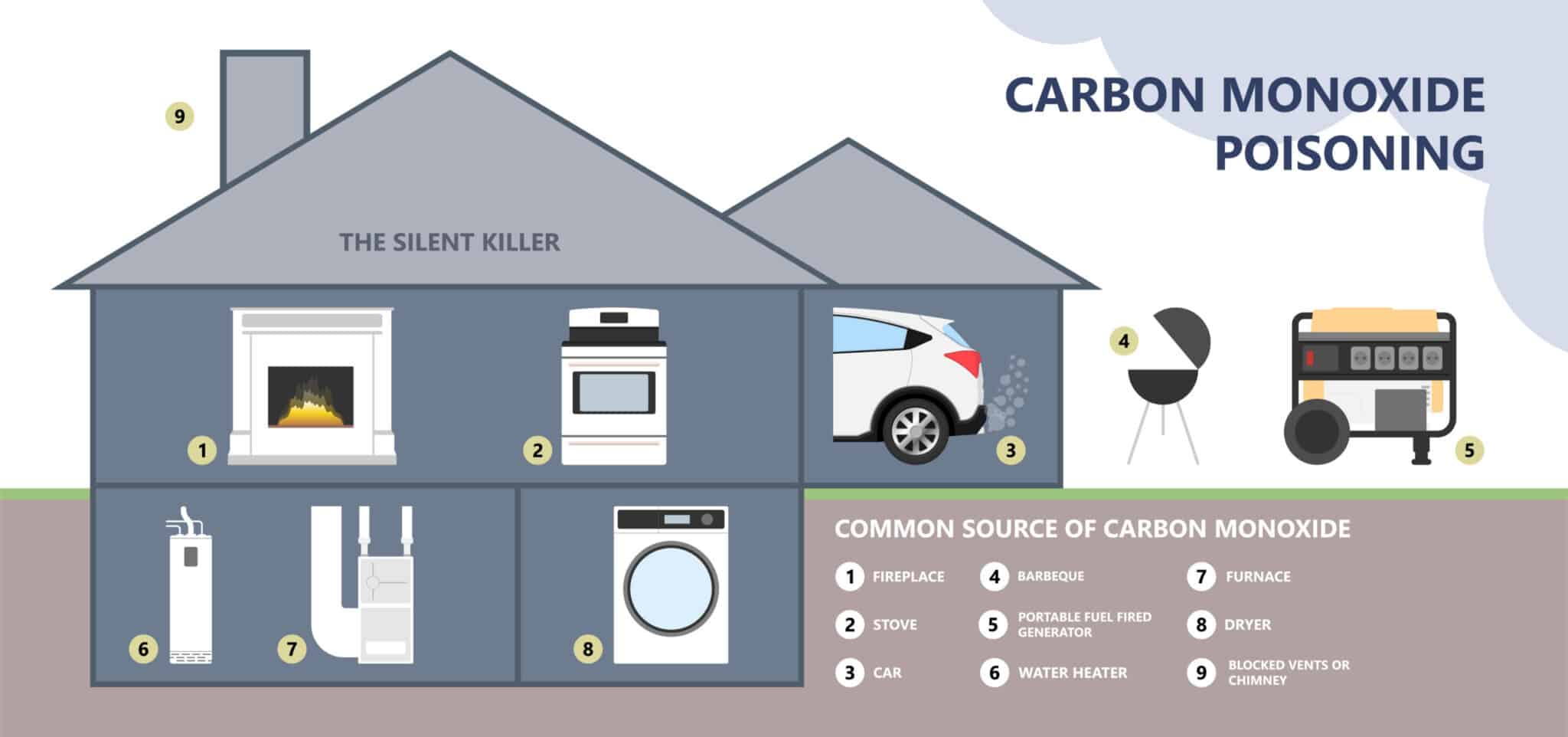
You might be tempted to bring that grill into the garage or under a patio cover if it starts raining, but please resist! Charcoal grills are strictly outdoor-only devices. The concentration of CO they release is incredibly dangerous indoors.
Let your grill do its thing under the open sky, where the breeze can whisk away any smoky fumes. Your lungs (and your neighbors) will thank you!
8. The Daily Commuter: Your Car in the Garage
Your beloved car, truck, or motorcycle usually stays outside or in the garage. But if you have an attached garage, leaving your vehicle running inside, even for a "quick minute," can be a serious issue.
Car exhaust is a notorious source of carbon monoxide. Even with the garage door open, the gas can quickly build up and seep into your home through shared walls, open doors, or cracks. It’s like inviting a toxic cloud into your living space.
So, once you pull into your garage, switch off that engine promptly! Your home is for living, not for vehicle exhaust emissions.
9. The Weekend Warrior's Tools: Gas-Powered Gadgets
Got a gas-powered lawnmower, a pressure washer, or a leaf blower? These handy helpers are fantastic for outdoor chores, but like all engines, they produce CO.
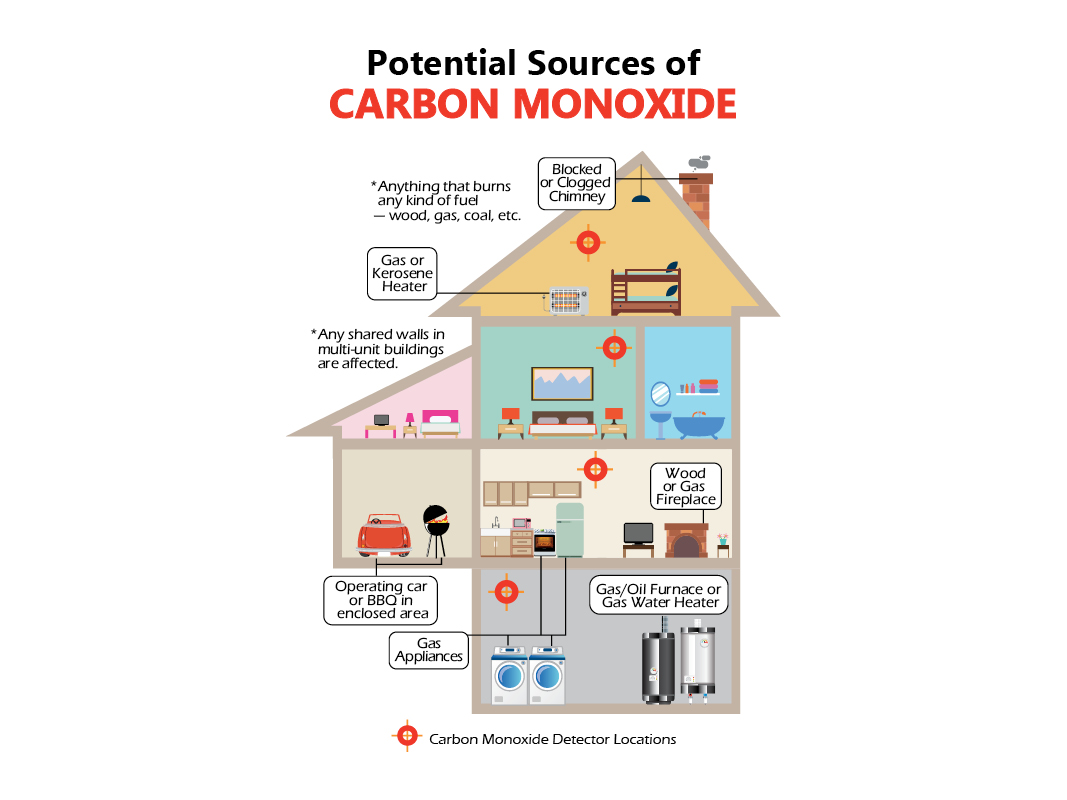
The rule here is simple: if it runs on gas, it's an outdoor-only tool. Never use these devices inside your home, garage, or even a shed. The fumes they produce can quickly reach dangerous levels in enclosed spaces.
Fire them up, get your chores done outside, and then give them a nice, quiet rest in the garage (after they've cooled down, of course) – without running their engines!
Your Superpower: The Carbon Monoxide Detector!
Phew! That was quite the tour of potential CO hiding spots. But here's the best news: you have a superhero tool to keep you safe and sound! It's the humble, yet mighty, carbon monoxide detector.
These little gadgets are like silent guardians, constantly sniffing the air for any signs of our invisible guest. If CO levels get too high, they'll let out a loud, clear chirp, giving you plenty of time to get fresh air and investigate.
Install CO detectors on every level of your home, especially near sleeping areas. Test them regularly, just like you would your smoke detectors, and replace their batteries (or the unit itself, if it’s past its prime). It's a small investment for colossal peace of mind!
So go forth, armed with knowledge and your trusty CO detector! Enjoy your amazing, safe home, knowing you're well-equipped to keep out any unwanted, gassy guests. Stay cozy, stay happy, and stay CO-aware!