
What Does Two Beeps On A Smoke Detector Mean
Ah, the subtle symphony of home ownership. You know the one. Not the gentle hum of the fridge, or the cheerful chirp of a bird outside. We're talking about that specific, unexpected, and often utterly baffling sound that pierces the quiet of your home: the smoke detector's lament. But not the shrieking, "GET OUT NOW, WE'RE ALL DOOMED!" kind. Oh no. We're talking about the more enigmatic, yet equally disruptive, two beeps.
You’ve probably heard it. Maybe it woke you up at 3 AM, just as you were finally drifting off. Or perhaps it started while you were deep into a Netflix binge, making you pause and wonder if your popcorn was somehow sending out secret signals. Your pet probably shot you a look that said, "Seriously, human? Can you fix this? My beauty sleep is at stake!"
What Two Beeps Aren't (Thank Goodness!)
First off, let's take a deep breath. Two beeps are generally not a fire alarm. If it were a fire, your smoke detector would be screaming like a banshee at a rock concert, not just politely beeping twice. So, no need to grab the fire extinguisher and evacuate the cat just yet.
Must Read
And it's usually not the low battery chirp. That's typically a single, drawn-out beep every 30-60 seconds, like a tired old bird trying to sing. The two-beep tango is a different beast entirely.
The Real Lowdown: It's a "Fault" or "Error"
So, if it's not a fire and not the battery, what in the world is going on? Well, dear reader, your smoke detector is likely trying to tell you it has a "fault" or "error". Think of it as your smoke detector having a bad day, or maybe it just needs to lie down. It's not feeling 100% and it's letting you know in its own cryptic way.
It's like when your car flashes a mysterious light on the dashboard that isn't the "check engine" light, but some other symbol you vaguely remember seeing in the owner's manual. It means, "Hey, something's not quite right here, and I'd appreciate it if you took a peek."
The Usual Suspects Behind the Double Chirp
Why would a perfectly good (or so you thought) smoke detector suddenly develop a case of the two-beeps? Let's meet the culprits:
1. The Pesky Dust Bunnies and Creepy Crawlies
Yes, really! Smoke detectors are like tiny little vacuums for the air. If dust, lint, or even a tiny spider decides to set up a cozy home inside the sensing chamber, it can confuse the detector. It thinks there might be smoke, or it just gets plain irritated by the obstruction. It's like trying to see through a foggy window; it just can't do its job properly. Your detector is basically saying, "Excuse me, there's an uninvited guest throwing a party in my sensor!"
2. A Wiggly Wire or Loose Connection
Sometimes, it's as simple as a connector not being quite snug. Maybe it shifted slightly during a particularly enthusiastic dance party in the living room, or perhaps the house settled. Whatever the reason, if the internal components aren't making perfect contact, the detector can register an error. It's like when your phone charger only works if you hold it at just the right angle – super annoying!
3. Humidity, Steam, or a Rogue Splatter
Ever had a super steamy shower and your smoke detector decided to join the alarm party? Or maybe a bit of cooking grease got a little too close? Excess humidity or steam can temporarily "blind" the sensor, making it think something is wrong. It's essentially the detector equivalent of walking into a really thick fog and getting disoriented. It just needs to dry out and calm down.
4. The Big One: End-of-Life (EOL)
This is a major reason for the two-beep warning, especially if your detector is getting on in years. Smoke detectors, bless their hardworking little hearts, don't last forever. They have a lifespan, typically around 10 years. After a decade of diligently sniffing the air for danger, their internal components start to wear out, and they just can't be as reliable. The two beeps here are essentially its gentle way of saying, "My shift is over, boss. Time for retirement!" It's like an old faithful car that’s finally decided it’s done its duty and is ready for the junkyard.
So, What's a Homeowner to Do?
Don't just stare blankly at it (though that's a perfectly natural first reaction). Here’s your battle plan:
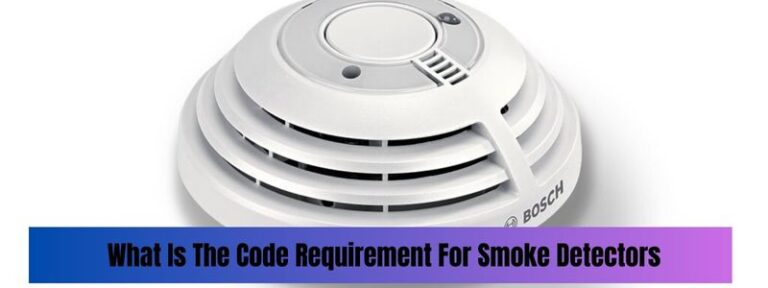
1. Silence It (Temporarily!): Most detectors have a silence button. Press it to give your ears (and your sanity) a break.
2. Give It a Spa Day: If it's the dust/bug issue, turn off the power (important!), gently remove the detector, and clean it. Use a soft brush or a can of compressed air to clear out any gunk from the vents and sensor chamber. Treat it like a delicate piece of electronics (because it is!).
3. Check the Connections: If it's hardwired, ensure all the wires are snug. If it's battery-powered, ensure the battery is seated correctly.

4. Reset It: After cleaning and checking connections, try resetting it. For battery-powered, take out the battery for a minute, then put it back in. For hardwired, you might need to flip the corresponding circuit breaker off for a minute, then back on.
5. Consider Its Age: If your detector is pushing 8-10 years old (check the date on the back!), the two beeps are a pretty strong hint that it's time for a replacement. Even if it stops beeping after a reset, an old detector is less reliable. Don't risk it!
Ultimately, those two little beeps are your smoke detector's way of raising a polite, but firm, flag. It's not a crisis, but it's a nudge to investigate. A few minutes of troubleshooting or a quick trip to the hardware store for a new unit can keep your home safe and sound – and ensure your pets get their uninterrupted beauty sleep.