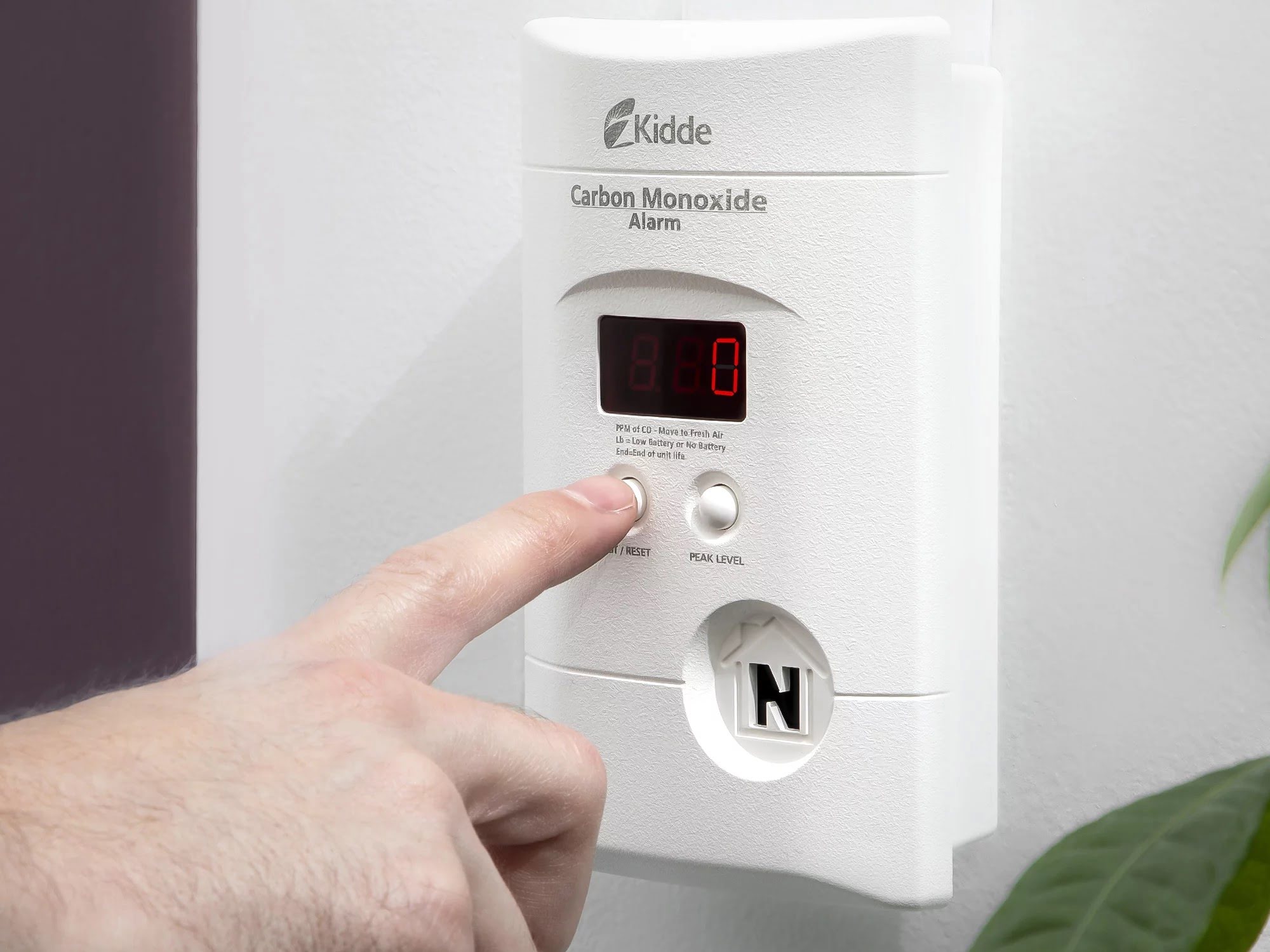
What Does L6 Mean On Carbon Monoxide Detector

Hey there, cozy home dwellers and fellow guardians of peace of mind! Have you ever glanced at your carbon monoxide (CO) detector, perhaps while reaching for that top-shelf cereal, and noticed a weird little code glowing back at you? Something like "L6"? It's not a secret message from aliens, nor is it your detector trying to sell you car insurance. But it is something worth understanding, and trust me, it’s much simpler (and even a little bit charming) than it sounds.
Think of your CO detector as a tiny, tireless superhero, silently sniffing the air to protect you from an invisible villain. It's pretty amazing, right? But even superheroes, bless their caped hearts, need a break eventually. And that's often what L6 is trying to tell you.
What's the Deal with L6? Your Detector is Ready for Retirement!
Alright, let's get straight to it. When your CO detector flashes L6, it usually means one very important thing: it's reached the end of its useful life. Yep, just like that favorite pair of sneakers that have seen one too many adventures, or your trusty old smartphone that just can't hold a charge anymore, CO detectors don't last forever.
Must Read
Most carbon monoxide detectors are designed to work reliably for about 5 to 7 years. Inside that little box, there’s a sensitive sensor that’s constantly working. Over time, this sensor naturally degrades, becoming less accurate and less reliable. When it shows L6, it's basically saying, "Hey human, I've done my best for all these years, but my sniffing days are officially winding down!"
It's like your old car gently nudging you with a "service due" light, but for something far more crucial than an oil change!
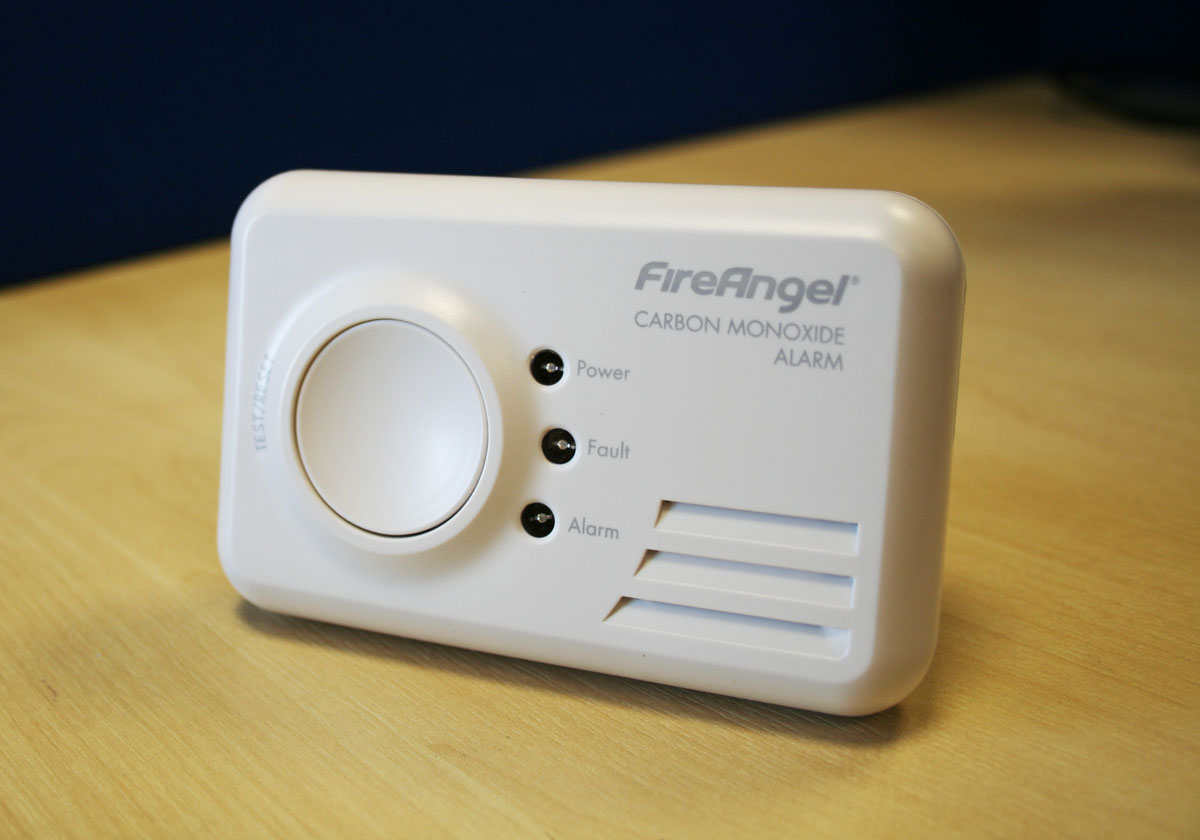
Hold On, Is This an Emergency? (Spoiler: Not Exactly!)
Now, here's the really important bit that might make you breathe a sigh of relief: an L6 code is not an alarm indicating the presence of carbon monoxide! Phew! You won't hear that ear-splitting siren blaring when you see L6. It's more of a polite, gentle suggestion from your detector that it's time for a replacement.
It's not the equivalent of the fire alarm screaming in your face; it's more like your smoke detector quietly beeping every few minutes because its battery is low. Annoying, yes, but not an immediate danger. So, while it's not a "drop everything and run outside!" moment, it's definitely a "let's add this to the shopping list ASAP" kind of moment.
Why Should We Care? Because Your Sniffer is Your Superpower!
You might be thinking, "It's just an L6, can't I just ignore it for a bit?" Well, my friend, that's where we get to the fun part of why you should absolutely care and act on that little code. Remember that invisible villain we talked about? Carbon monoxide is often called the "silent killer" for a reason. It's colorless, odorless, and tasteless. You can't see it, smell it, or taste it, but it can be incredibly dangerous.
Sources like faulty furnaces, gas stoves, fireplaces, or even cars left running in an attached garage can produce CO. Without a working detector, you'd never know it was there until it was too late. That's why your CO detector is such a critical guardian. It's your home's superpower – its ability to sniff out danger you can't perceive.
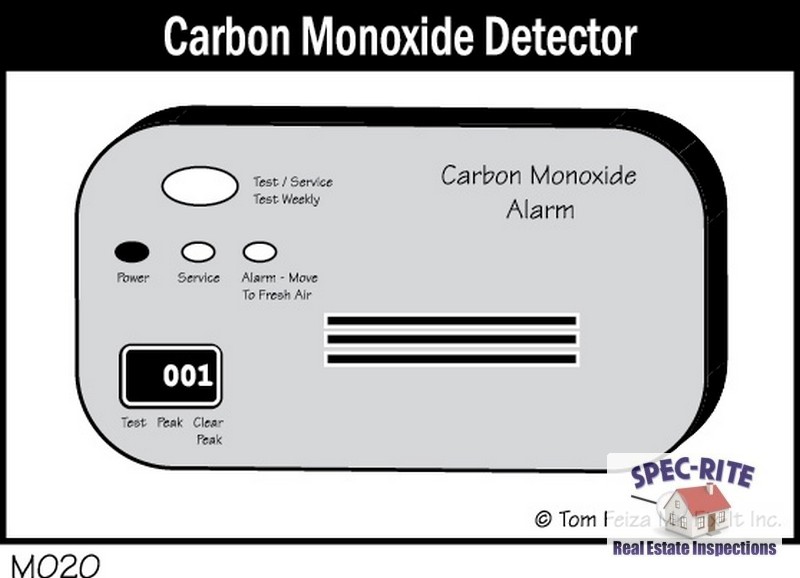
When your detector flashes L6, it's essentially telling you, "My superpower is fading, please get me a new cape!" If you ignore it, you're essentially leaving your home (and the people inside it!) without that crucial invisible shield. It's like sending a superhero into battle with a rusty sword and a flimsy shield – not very effective, right?
Replacing an L6-flashing detector isn't just about following instructions; it's about maintaining your peace of mind. It's knowing that while you're sleeping soundly, or baking cookies, or binging your favorite show, your new, fully functional guardian is on patrol, ready to warn you if that sneaky, silent gas ever tries to creep in.
So, What's the Game Plan When You See L6?
- Don't Panic, But Don't Delay: As we established, it's not an immediate emergency, but it's not something to put off for months.
- Check the Manual (If You Can Find It!): While L6 almost always means end-of-life, a quick peek at your detector's manual (or a quick Google search for your specific model) can confirm it. Sometimes, different brands have slightly different codes, but L6 is pretty universal for "time to replace."
- Look for the Expiration Date: Most CO detectors have a manufacturing or expiration date stamped on the back. It's like a "best by" date for milk, but for your safety! If your detector is showing L6, chances are that date has passed or is very close.
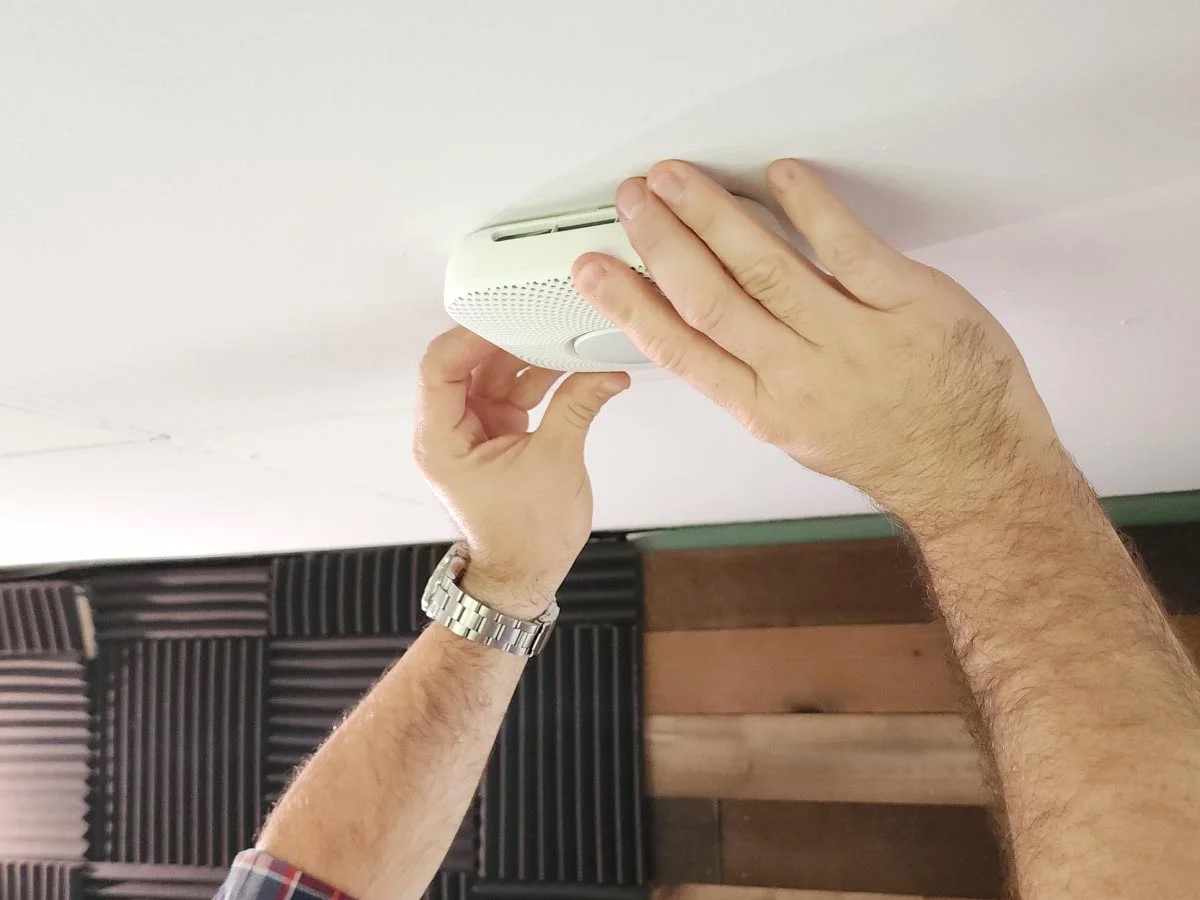
- Get a New One: This is the main event! Head to your local hardware store or favorite online retailer and treat your home to a shiny new carbon monoxide detector. They're not overly expensive, and the peace of mind they offer is priceless.
- Properly Dispose of the Old One: Your old superhero deserves a proper send-off. Check local regulations for electronic waste disposal.
So, the next time you see that little L6 code glowing from your carbon monoxide detector, give a little nod of respect to your old guardian. It's served its purpose well. Then, with a smile, go get its replacement, ensuring your home remains a safe, happy, and CO-free haven for years to come!